

Cinder Blocks Vs Poured Concrete: Which Is Cheaper?
When it comes to projects, such as laying down foundation for a new garden shed or installing a retaining wall, choosing the right material is often the difference between a sturdy structure and a future headache. Durability is key when it comes to this type of construction, which is why many builders turn to the old reliable: concrete.
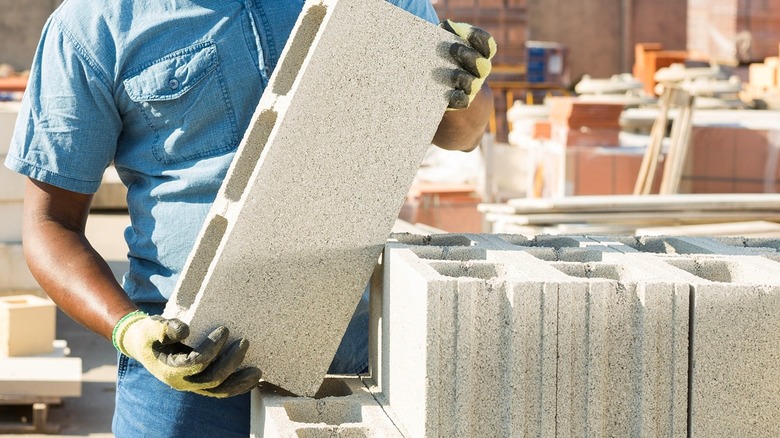
Concrete is a mixture of Portland cement, water, and aggregates, and is available in a number of forms, including cinder blocks, and a liquid that sets when poured into a form. There are a number of practical differences between these two versions of concrete, but the most impactful when making a decision for your own project may be the price. That's because poured concrete tends to be more expensive than cinder blocks.
Technically, what we know today as cinder blocks are actually called "concrete masonry units," or CMUs. Real cinder blocks are made with cinders from fly ash (a type of coal ash); in most modern cases, the term "cinder" refers to concrete. (See what the average lifespan is of cinder blocks.)
It only costs between $6 and $15 to install a square foot of cinder blocks. Meanwhile, the price range of poured concrete is greater, starting at around $8 and going to $20, or about 25% more than cinder blocks. However, if whatever you're constructing needs more material, such as a basement foundation, that price can reach $35 per square foot.
Poured concrete is more expensive than cinder blocks
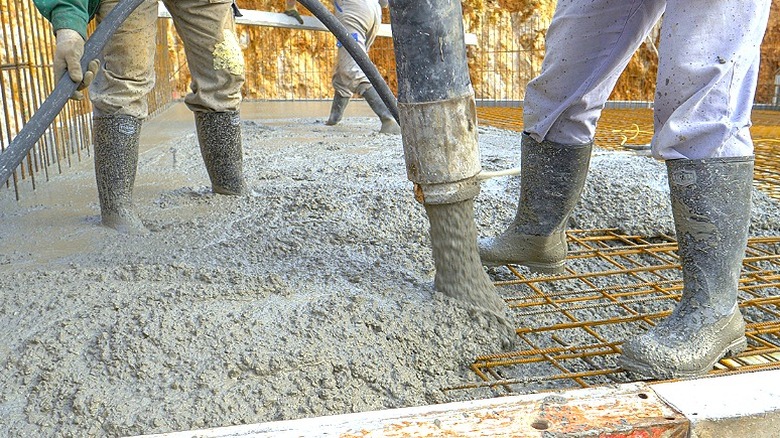
While the base price of cinder blocks and poured concrete may be similar, other factors may make one a better option, depending on your circumstances. Unless you're already a skilled mason, pouring concrete is not a DIY affair, and will require paying for professional installation. Alternatively, you could build a cinder block wall yourself without having to rent out special equipment.
Time is money, though, which is why even though poured concrete is costlier, it could be a better investment. As a process powered in large part by chemicals and machines, poured concrete projects tend to be completed quickly since it's largely a matter of waiting for the material to cure.
Cinder block structures are entirely handmade; each block needs to be chosen, then coated with mortar, then fixed in place, which means building a large wall or a foundational slab can take a long time. Luckily, you can make the process faster by efficiently cutting cinder blocks using a tool you might already own (a circular saw).
Of course, either cinder blocks or poured concrete can prove a waste of your money if the type isn't suitable for your project. Both materials are durable, but in general, cinder blocks have more vertical strength, while poured concrete is laterally stronger. In other words, the former tend to be better for building walls, while the latter is a safer choice for foundations.
This is important to consider if you're building a larger structure that's going to experience a lot of stress, such as a retaining wall that will help prevent flooding, but for smaller projects, feel free to follow your wallet.