

This Overlooked Scrap Instead Of Coffee Grounds Could Deter Slugs
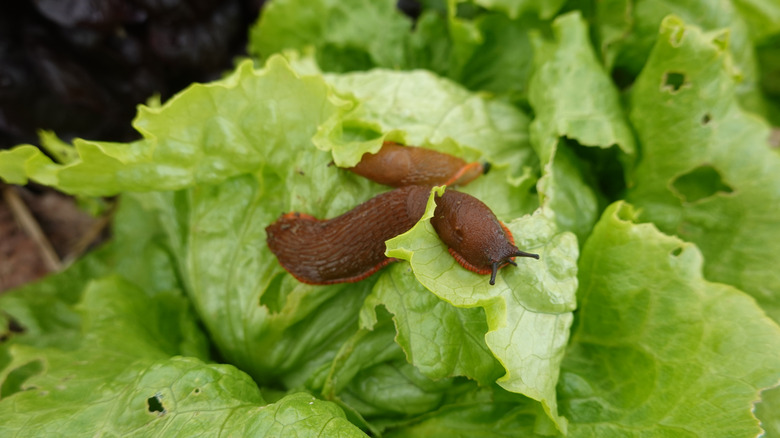
You can get rid of slugs naturally using coffee grounds, but coffee isn't the best thing for some plants that slugs commonly snack on. However, that doesn't mean the secret to deterring slugs from taking over your garden isn't hiding in your kitchen, because there's another overlooked scrap that has the potential to reduce slug activity around your plants. Tea bags or tea leaves can be just as effective in treating a slug infestation in the garden. You can use wet or dry leaves, whichever is more convenient for you.
Tea bags are actually a common kitchen scrap that can deter all sorts of pests from your yard or garden, not just slugs. There are two main reasons why tea works to repel slugs in your garden. First, the caffeine in certain types of tea has been proven to be detrimental to slugs. According to a study published by the U.S. Department of Agriculture, 92% of slugs that came in contact with caffeine-treated soil died from exposure, with 75% leaving the area in under four hours. Second, dried tea leaves have an abrasive texture for slugs, so if the leaves are exposed on the soil, the slugs will avoid the area to avoid painful damage.
How to use tea to keep slugs away from your plants
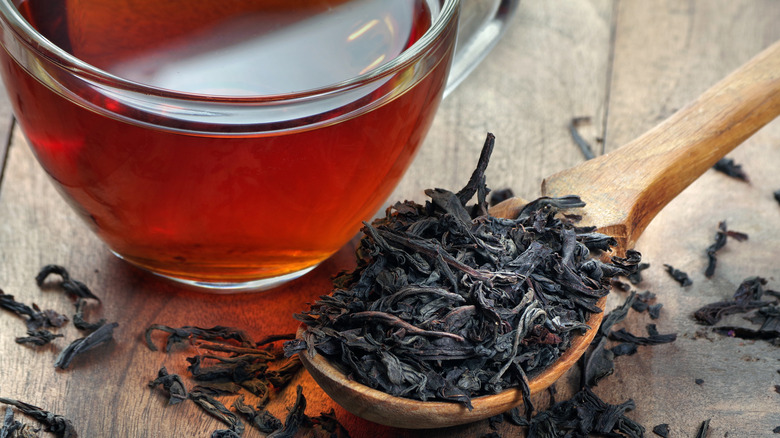
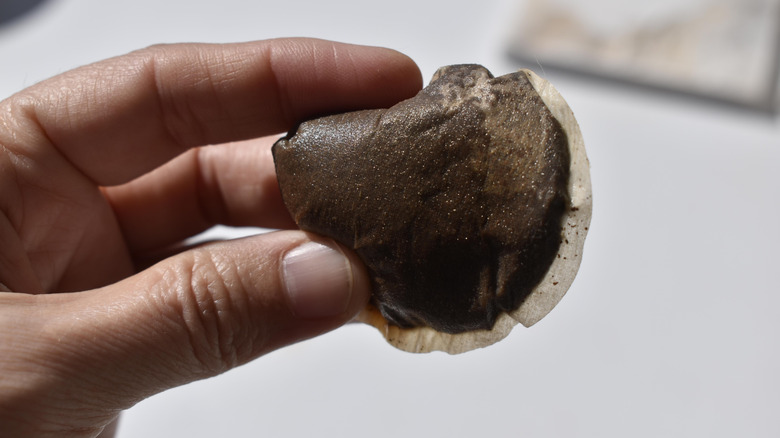
Tea leaves are just one organic method you can use to say goodbye to slugs in your yard if you use them the right way. Technically, you can leave tea in tea bags and place them around the base of the plants, but this is considered the least effective method for repelling slugs. If the tea remains in the bag, the caffeine is less likely to leach into the soil. In addition, the paper is less likely to cause irritation for the slugs' soft bodies, so they may just bypass the unpleasant odor and continue on to the plant. Instead, you can open tea bags or use loose-leaf tea and sprinkle it around the plants you want to protect from slugs. Loose tea can blow away in the wind, so you will likely need to reapply it weekly.
Alternatively, you can use caffeinated tea to infuse the soil around the plant with caffeine. You can bury tea bags or tea leaves just below the surface to act as fertilizer for the plants and introduce caffeine into the soil. If you are burying tea, fine dust from tea bags can decompose faster, so loose-leaf tea may be a better choice. Or you can brew a compost tea by soaking the leaves in water for 24 to 48 hours, then applying the liquid to the plants.
How tea affects plants that are commonly damaged by slugs
Another thing to consider when using tea in your garden to deter slugs is how your plants will react to the tea. As you can imagine, while tea influences the caffeine levels in the soil, it also influences other factors. Tea can also change the pH levels of the soil, increasing the soil's acidity. This may create the ideal growing conditions for some plants that are plagued by slugs while causing problems for others.
Slugs commonly snack on lettuce, broccoli, beans, hostas, strawberries, primroses and daffodils. Unfortunately, not all of these plants can tolerate tea in the soil. Acid-loving plants including blueberries, azaleas, rhododendrons, camellias, roses, ferns, tomatoes, peppers, and strawberries can thrive with some tea in the soil. But you should avoid using tea around plants that need alkaline soil, such as lettuce, lilacs, hydrangeas, broccoli, thyme, and lavender.