

Make Your Home Self-Sufficient By Doing It Japan-Style
Sustainability and self-sufficiency are becoming the goals for many people across the globe. However, sometimes, it feels impossible to switch. You may not know where to start or how to make the changes, and you can easily get swept up in costly trends that urban homesteaders hate to see in an attempt to improve your home and yard. Thankfully, if you feel like you're floundering, you can lean on ideas from other countries. For example, Japan's self-sufficiency ZEH program is a great launchpad, whether you are building your own house from scratch or just looking to renovate the home you currently live in.
Japan's ZEH program is also known as Net Zero Energy Houses. It focuses on reducing net energy to zero. However, where this Japanese idea stands out from other self-sufficiency systems is the fact that it focuses on fixing the source of the problem. This reduction is meant to make homes more efficient. While adding solar-powered options and other tech can help and are great tips to bring eco-conscious design into your home, the main goal is to make your house naturally better at saving energy. The areas this system covers range from heating and cooling to water, ventilation, and lighting. Adhering to the program often includes adding upgrades like smart devices to manage power usage, adopting alternate energy sources, improving insulation, and more. It's also about considering the energy usage of your space as a whole. While a more efficient furnace helps, it doesn't do much if your home is letting in cold air through thin walls and windows with minimal sealant.
How Japan's ZEH method increases self-sufficiency in homes
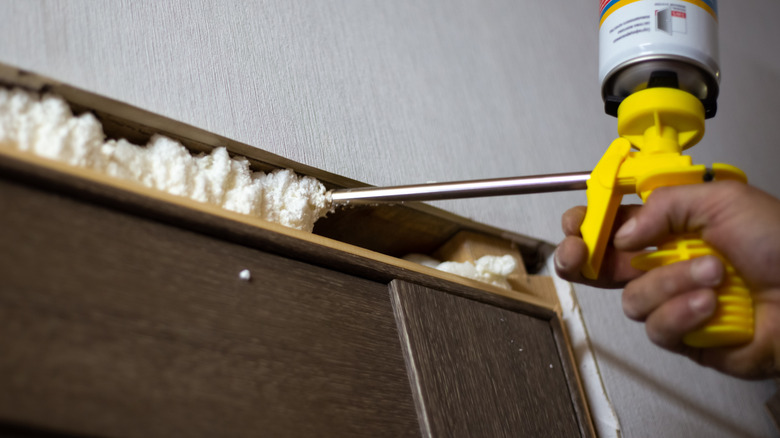
There are also variations of the program, including ZEH+, which, in addition to improving home sustainability from the ground up, includes features to help you use energy smarter. One of the first ways to do this is to create better insulation for walls and windows. By having more efficient homes, you don't have to use as much heating and cooling to keep temperatures manageable. You can also look at newer devices with easy-to-adjust settings that use less energy. No matter how extreme you're looking to take the self-sufficiency in your home, this is a great place to start.
Additionally, Japan has been incorporating Home Energy Management Systems (HEMS). These systems are meant to help with power generation and consumption, optimizing your house. Depending on how your home works, these systems function in different ways. Generally, though, they take your energy source and what runs in your home into account. For example, if you have solar power to offset some energy usage, it will focus on using that source when possible, or it will push items to charge during off-peak times so you aren't drawing so much energy at once. These are incredibly helpful in making progress toward a sustainable home but can be expensive and a lot of work. At a minimum, you need an alternate power source, energy batteries, smart meters, and smart devices.
Adjust your home to make it self-sufficient following ZEH

Of course, the easiest way to get a house that meets these needs is to build it from the ground up. For example, it's easy enough to create a self-sufficient tiny home if you build it yourself or start with just a frame. But converting an older house can take a bit of work. It may involve ripping out walls and replacing windows just to get the foundation of a self-sufficient house. While it can save you a lot of money in the long run on energy costs, it's certainly intimidating.
If you're feeling overwhelmed by what to do to make your home more self-sufficient, the U.S. government provides some help. For example, the Energy Star Smart Home Energy Management System offers packages. Through this, you can schedule smart devices, learn about areas you can work on to save more money, and adjust systems based on how many people are in your home.
You may also want to look at something simple to start, like energy monitors. You can find ones for your whole home or specific appliances. These are fairly cost effective — just a few hundred dollars — and can at least give you an idea of areas where you are drawing a lot of power. This helps you make minor adjustments over time, instead of expensive changes all at once.