

What Does A Green Light On A Smoke Detector Mean?
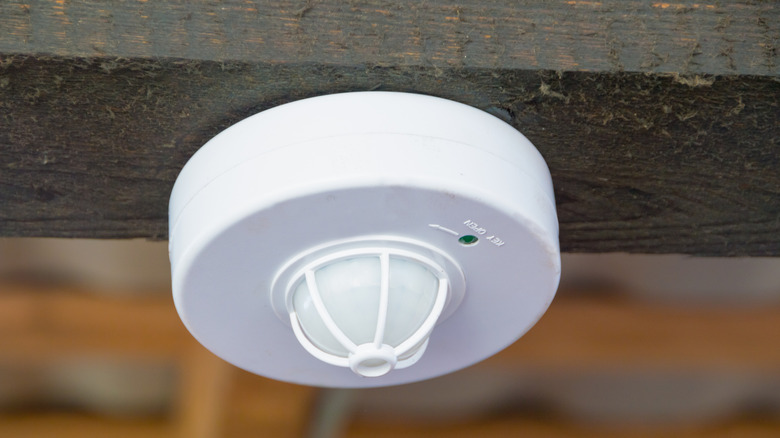
Sometimes we see an item around the house so often, we don't even notice it's there. A home's smoke detector is often one of those things. So we don't always think about how often we should be checking our smoke detectors until something happens to catch our eye and we're not sure if it's normal. Like the smoke detector's green light. Is it supposed to be steady and on all the time? Is blinking okay? What, exactly, does it mean?
The green light on a smoke detector can mean a few things, and though not every smoke detector is the same, it generally doesn't mean anything is wrong. If your smoke detector is connected directly to your home's electrical system — what we call hardwired — a solid green light simply means that it has a good connection to the power source. If you have a smoke detector that is battery-powered, it will often use a blinking green light to indicate the same thing. The rhythm will be consistent, usually every 30 to 45 seconds.
If you notice the blinking has become irregular or if it's flashing when it's usually solid, that suggests something else is going on. This will sometimes happen if the power has gone out and restarted, particularly for ones that are hardwired. Other units go into self-check mode occasionally, while some are connected to separate devices they're communicating with, and will use a flashing green light to indicate those systems are working behind the scenes. In these instances, simply waiting a few minutes to see if the light goes back to its normal state is all that's needed.
When does the green light mean I need to take action?
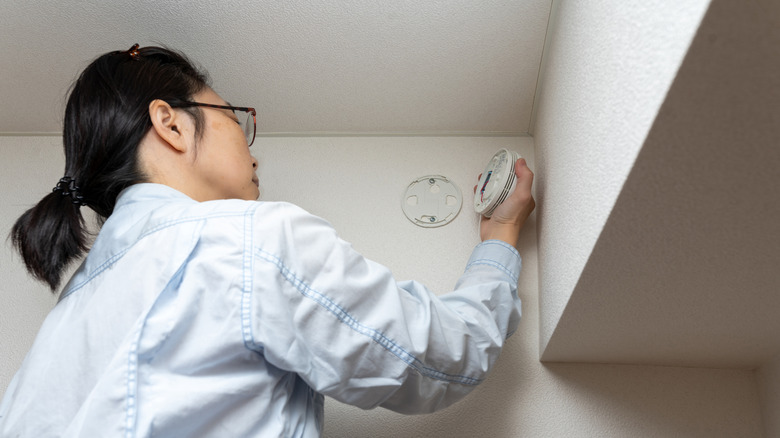
Inspecting your smoke detector is one of the home maintenance tasks you should be doing more often than you realize. Though typically not a grave warning sign, there are times when you need to pay attention to the green light. If the inconsistent or new rhythm of blinking doesn't stop after a few minutes, it can mean that something more is going on than simply regular maintenance or routine functionality. Look for any other lights, possibly red, that might have also come on. If the smoke detector is making noise, like short chirping sounds or weak beeping, in addition to the changing green light, that's another indication that something isn't working right.
Troubleshooting can be as simple as checking the power source. Batteries should be replaced every six months, so it might be time for a new one. If you haven't cleaned your smoke detector recently, you can give that a try, as dust and debris can build up over time, affecting the unit's functionality.
Though it's a good idea to test your smoke detectors monthly, you can do so any time you suspect it's not working right. Make sure you're taking the correct steps to test your smoke alarm by holding down the test button for a few seconds. It should make a very loud, shrill sound if everything is working correctly. Most smoke detectors need to be replaced every 10 years, but if yours is malfunctioning or showing signs of wear and tear, you might want to replace it sooner.