

3 Disadvantages Of Sealing Your Concrete
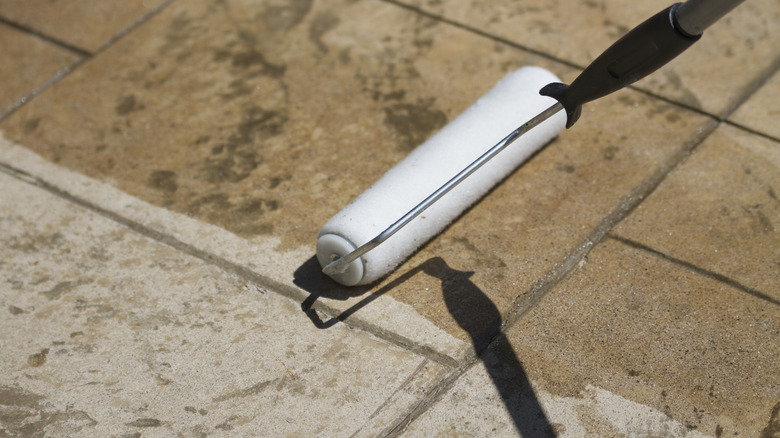
Sealing concrete is often treated as a default step, something you do right after a driveway cures or a patio gets poured, as automatic as staining a deck. And in plenty of cases, it earns that reputation: a good sealer can guard against stains, resist de-icing salt, and keep a surface looking newly poured for years. But sealing isn't a cure-all upgrade, and treating it as one can backfire. Before reaching for a roller or hiring it out, it's worth understanding where sealing can work against you.
Disadvantages of sealing concrete include trapping moisture and creating a slip hazard. Sealing also isn't permanent. You'll need to provide ongoing maintenance in the form of regular sealant re-applications. Depending on the type of sealer, the climate, and how the concrete was installed in the first place, a sealed surface can even create new problems that an unsealed one never would have had. People also have misconceptions about sealing; some mistakenly believe sealing prevents concrete from cracking. It pays to understand the limitations of sealing concrete.
Trapped moisture can be a disadvantage of sealing concrete
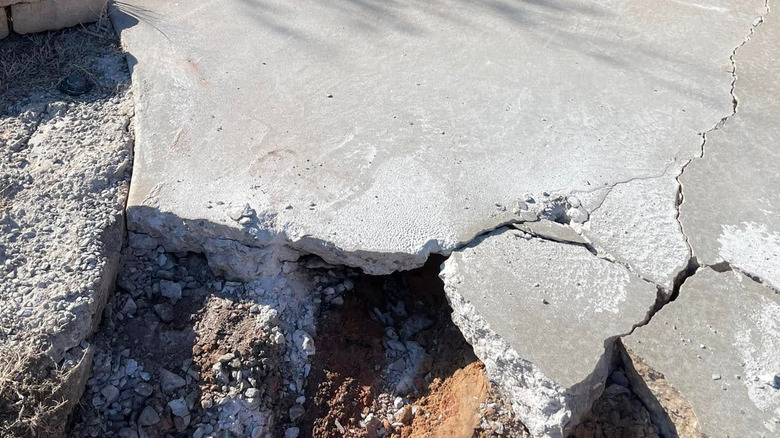
One of the most significant reasons to seal concrete is to keep concrete's biggest enemy, water, from damaging your concrete surface. Although sealants are water-resistant, they don't completely keep water out. Worse, you can actually seal moisture in when you use sealant. Water is, of course, one of the ingredients in concrete, and sealing before the concrete has dried for at least a month can trap moisture.
Further, as water evaporates when concrete is drying, tiny holes are left behind where the water was, making concrete a lot more porous than you might think. Consider that your concrete driveway or patio slab can't be sealed on the bottom, so groundwater below the concrete gets into those pores and has no way to get out because of the sealant. Water underneath the concrete can also generate hydrostatic pressure that damages the sealant coating.
Slippery surfaces and ongoing maintenance are concrete sealant downsides
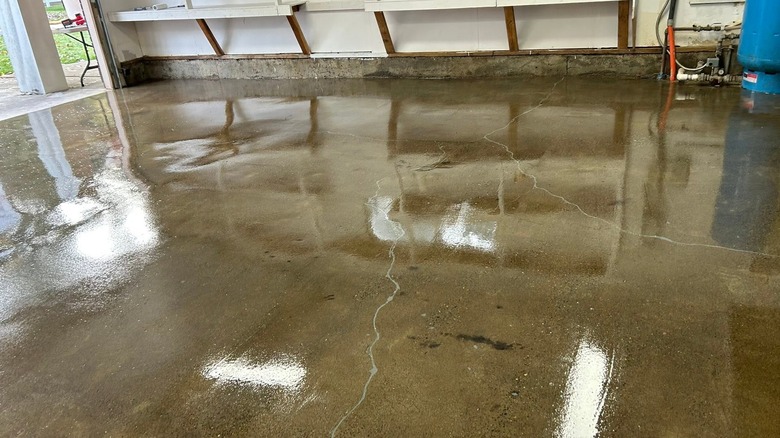
A potentially slippery surface is another sealing disadvantage. That shiny sealant coating enhances the look of your driveway, garage floor, or patio, but it can create a hazard when wet because it gets slippery, especially if you're using epoxy sealers or acrylics with a high-gloss finish. The combination of sealed concrete that people walk on and frequent exposure to water via rain, swimming pools, sprinklers, and the like is risky, though you can mitigate the danger with anti-slip additives in the sealant.
One more issue that may have you questioning whether you really need to seal your driveway or other concrete structure is how often concrete needs to be sealed. Sealing is not a "set it and forget it" proposition and must be repeated every few years to be effective. Frequency of re-application ranges from one to three years for acrylic sealers, three to seven years for penetrating sealers, and up to every five to 10 years for epoxy and polyurethane sealers. While re-application is not an overwhelming task, it does require regular costs and labor.
Alternatives to sealing concrete include using hardeners and densifiers that make concrete harder and more durable without placing a top coating on it. With regular cleaning and stain removal, however, your concrete will likely do just fine without sealing.