

18 Plants To Deadhead In August For A Fall Garden Full Of Extra Blooms
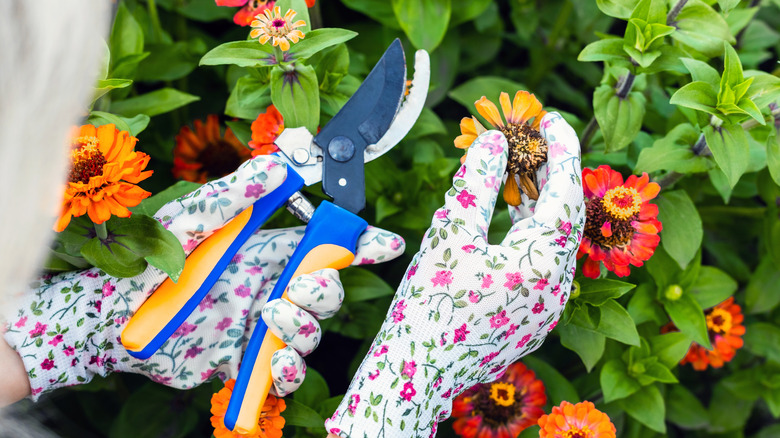
August provides moments to look back at summer and forward toward autumn. As psyched as you might be for brisker weather and pumpkin patches, wanting to keep the colorful blooms in your garden for as long as possible is an understandable desire. Oftentimes, summer-blooming flowers start fading in August as plants move into their seed-setting phase to ensure their genetic material continues on. But there's a way to get those gorgeous flowers to come back for a last hurrah. Whether you're growing annuals or certain perennials, you can deadhead them — remove withered blooms — to encourage the plants to bloom rather than shift into seed production.
For flowering plants that benefit from deadheading, cut entire dead flowers off the stems. For thin flowers, simply pinching off the blooms is sufficient. Use hand pruners to cut off the spent flowers if they're larger or use a more drastic method known as shearing for plants that have a profusion of little blooms. Shearing back involves taking off some leaves as you trim off up to a third of the plant, but it will typically bounce back with even more flowers.
As useful as deadheading can be, there are times when that's not the best choice. If you have plants that produce berries or seeds that feed birds, it could benefit the ecosystem to leave the last flush of dying flowers alone. Also, take care with biennials, because if you deadhead them, you risk taking all the seeds they need to come back the following year.
Black-eyed Susan
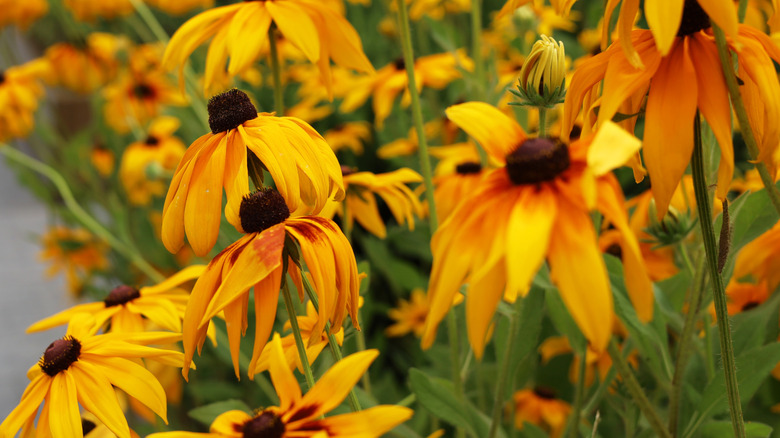
Black-eyed Susan (Rudbeckia hirta) is a winsome choice for pollinator gardens, with cheerful flowers made up of a dark center of florets surrounded by yellow petals. By August, they're in full bloom, but deadheading flowers when their petals have fallen off can give you color until October. How long depends on whether you want the plant to reappear in your garden the following year. Many gardeners grow the plant as annuals, but they have the potential to re-seed. If you want a recurrence next season, the end of August is the time to stop deadheading.
Zinnia
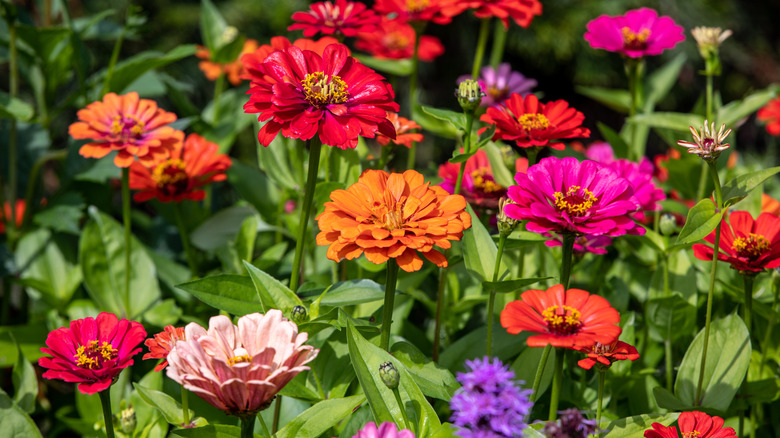
With vibrant colors and daisy-like blooms, zinnias (Zinnia elegans) are a summer highlight. By deadheading these annuals, you're more likely to get the most blooms out of your zinnias. In addition to the new flowers that emerge when you remove dead ones, keeping zinnias free of old blooms gives the plant much-needed ventilation, which helps prevent powdery mildew. It's time to clip off old flowers when their centers start to extend and the petals lose color and droop. When this happens, take your pruners and cut the stem just before the next set of leaves.
Bee balm
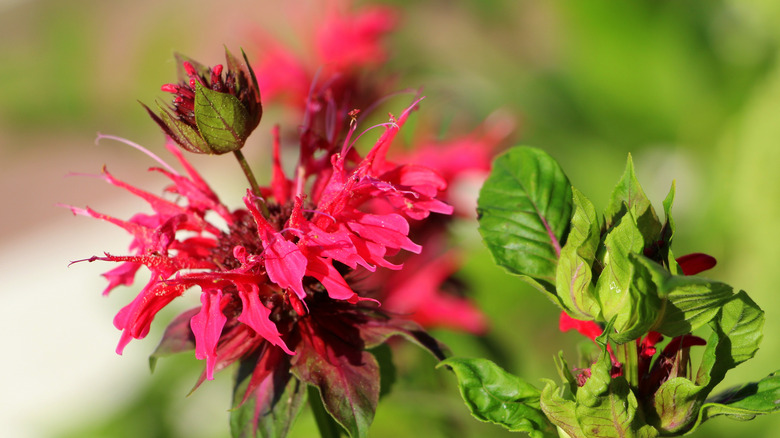
Bee balm (Monarda) is one of the perennials you can deadhead for more summer blooms. Plants in this genus tend to self-seed throughout their hardiness range of zones 4 through 9, so deadheading can also keep them from growing past garden boundaries. Snipping off dead blooms that are cluttering the plant also helps prevent powdery mildew, which the plant is susceptible to. Cut the stem below the faded flowers and above a healthy set of leaves with your pruners, proceeding with care so you don't accidentally remove buds or small blooms.
Lavender
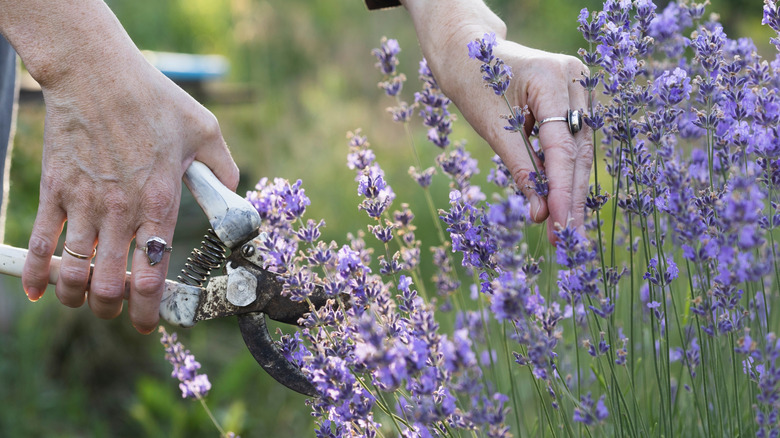
Lavender (Lavandula) is one of the perennials you should prune in August for another wave of blooms. This herb thrives outdoors in USDA Hardiness Zones 5 through 9 and may finish its display by August, but deadheading can encourage it to flower again. That is especially true for some English lavender varieties, which may bloom into September if faded flowers are removed. Use pruners to cut the plant just above the woody parts of the stems. Don't cut too far down, though, because you risk causing damage if you cut into the woody part of the plant.
Daylily
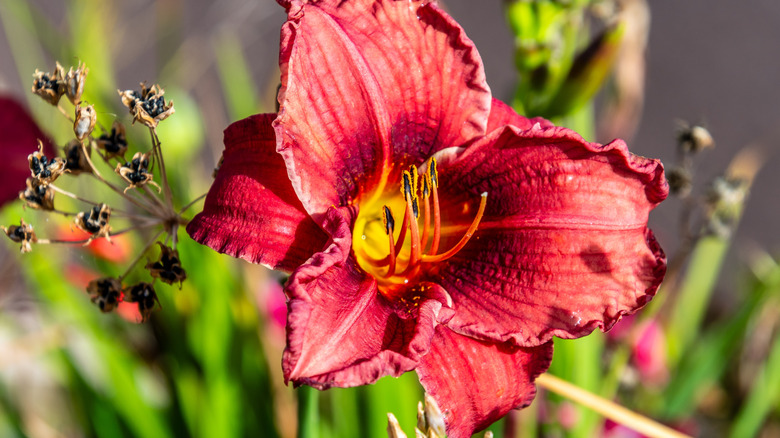
A favorite perennial for low-maintenance gardens, daylilies (Hemerocallis) bloom in July and August across zones 3 through 9. Their flowers, ranging from shades of yellow to red, only stay open for a day but emerge one after the other for a month or so. Deadheading can give you a longer season and more abundant blooming, even with cultivars like Stella de Oro, which is bred to bloom multiple times. Deadheading daylilies can be a consistent process done by hand; remove the wilted flowers and seedpods biweekly throughout the summer.
Purple coneflowers
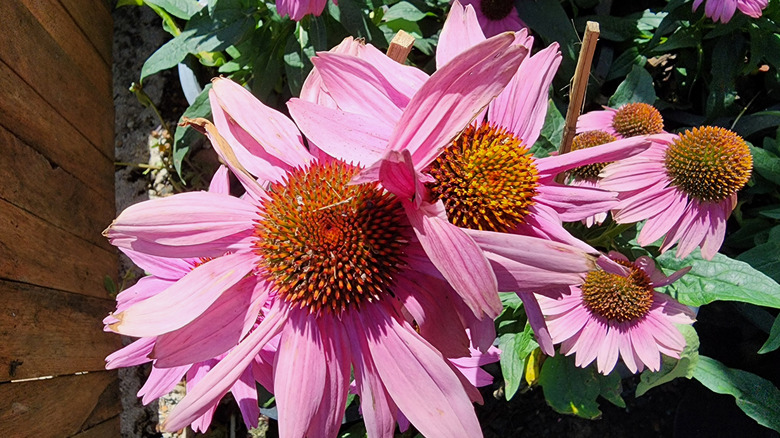
Purple coneflower (Echinacea purpurea) is a striking native perennial that grows in zones 4 through 9. This plant's seeds feed birds over the winter, making the idea of deadheading in August sound counterintuitive. But this practice keeps the plant blooming long enough so you can leave the last autumn seedheads for wildlife sustenance. Since the plant self-seeds, deadheading can also help keep the plant in its designated garden spot. Snip off the blooms when the petals are falling off, stopping when you've reached a set of leaves below, so more flowers can develop.
Geranium
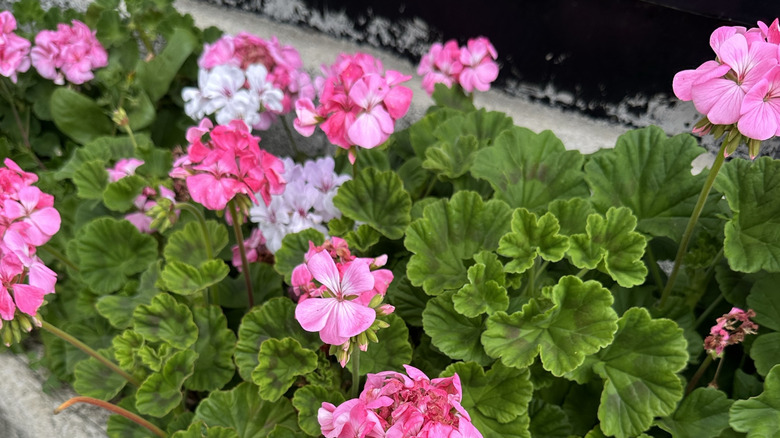
A common sight in gardens, pots, and hanging baskets, geraniums (Pelargonium) are often grown as annuals during the summer. Deadheading them in August not only keeps container gardens neat but can also extend their bloom time. Geranium flowers grow in clusters, and deadheading can be as simple as inspecting those groupings and plucking out flowers that have withered. If the whole cluster is ready to be taken off, you can go further down and snap the stem off at the juncture where it meets the base of the plant.
Blanket flower
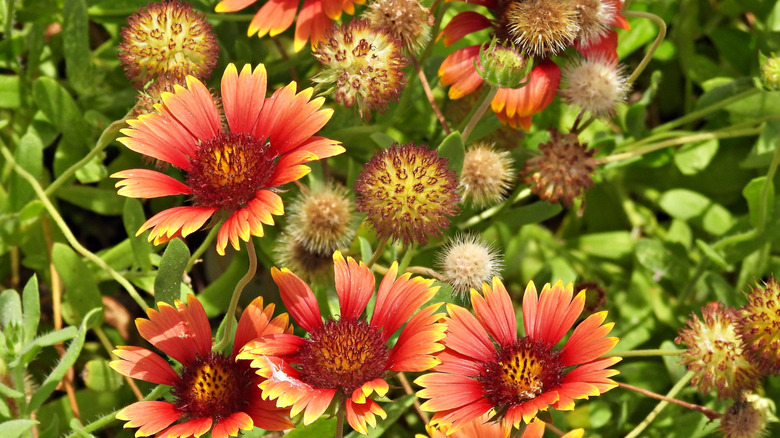
Blanket flowers (Gaillardia) are perennials that benefit from deadheading to lengthen their intense blooming season and for overall plant health. These plants are known to attract butterflies and bees and provide a pop of orange and yellow for gardens in zones 3 through 9, but their profuse blooming habit sometimes shortens their lifespan. Deadheading in August preserves nutrients and redirects energy from seed production so the plant can keep producing lush leaves and flowers. Trace the stem of each spent flower and cut them back to the next set of leaves.
Dahlia
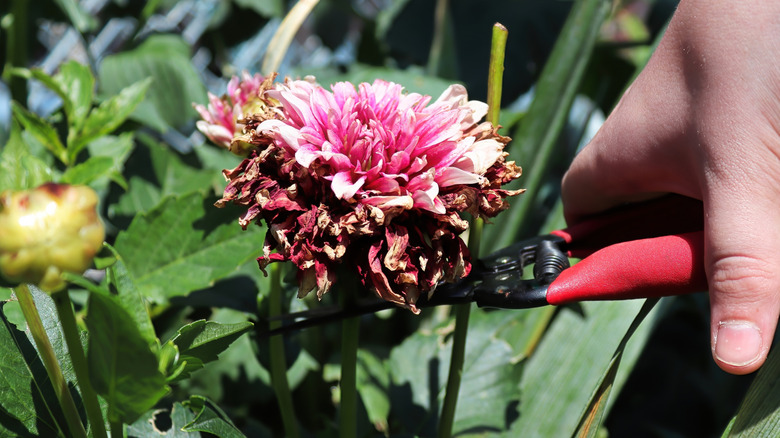
Even though they sometimes struggle in the heat of August, deadheading can ensure your gorgeous dahlias will bloom all summer. Inspecting the plants every week to spot any dead blooms helps you keep up with their quick growing cycles. Flowers that are done blooming may have browned or resemble cone-shaped buds, contrasting with the rounder shape and firmer feel of new growth. Hold it while cutting the stem at a 45-degree angle above the next growth node and snip it off. The angled cut can help keep the plant from developing rot.
Rose
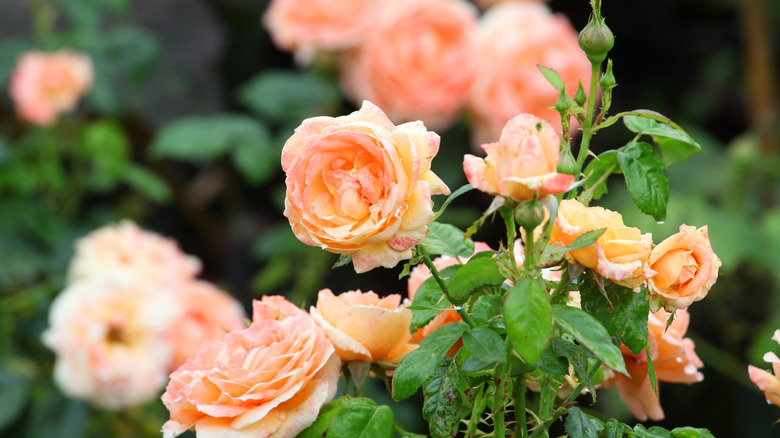
Roses (Rosa) benefit from deadheading, but there are some caveats. The rose types that respond favorably are repeat blooming varieties, including grandifloras, floribundas, and modern hybrid tea roses. To deadhead your roses, use pruners to cut above a bud or set of leaves. Cut above a bud that faces outward so there's good airflow around the flowers. The deadheading process for roses also has an end date. Leave the wilted flowers on the plant at the end of August so the plant can go dormant for the winter.
Petunia
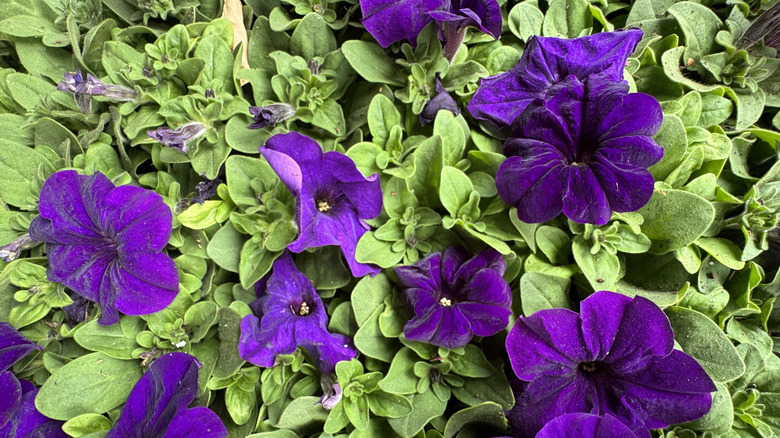
Petunias (Petunia x hybrida) have the potential to keep putting out blooms until summer ends, especially if you deadhead them. These trumpet-shaped flowers come in a variety of colors and are often grown as annuals. Deadheading will distract the plant from closing up shop once it has made seeds. While you're working, avoid the common mistake everyone makes when deadheading petunias and take off part of the stem below the spent flowers as well. Gradually pruning petunias back to growth nodes also helps and is usually done to keep them looking compact.
Cosmos
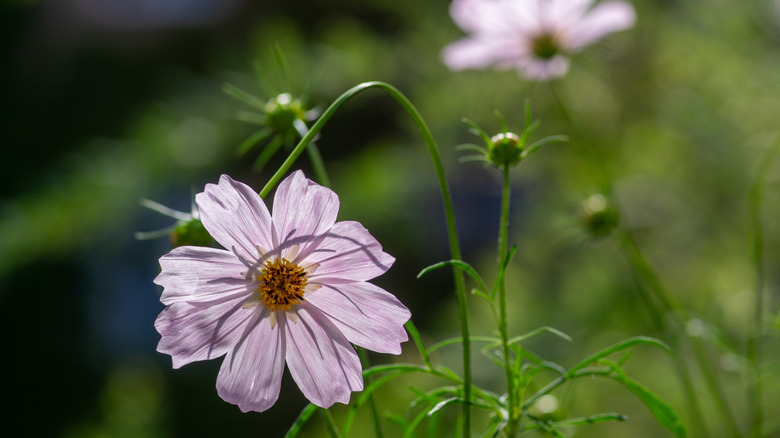
An August deadheading can bring out repeat blooms from cosmos (Cosmos bipinnatus), plants grown as annuals that produce purple, white, or pink flowers. It will also help you keep on top of the potential spread in your garden from this self-seeding plant. The task simply involves pinching or cutting off dead or dying flowers among your cosmos patch. Remember not to stop at just wilting or missing petals and also remove young seed pods where you notice them. With persistence, properly deadheaded cosmos may even keep flowering until the first frost.
Salvia
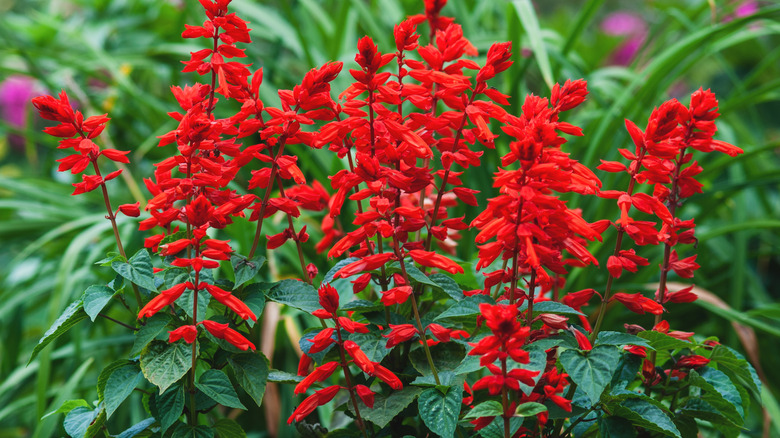
Gardeners hoping to attract hummingbirds may be familiar with salvia, a genus that includes the violet, blue, or white-flowered mealycup sage (Salvia farinacea) and vibrant scarlet sage (Salvia coccinea). Deadheading can stretch their bloom season well into the summer or beyond. As long as you're growing a repeat-blooming type, taking off flower spikes that have faded keeps the plant from producing more seeds, and might even give you colorful flowers through autumn. When a salvia spike has several dead flowers, or you can see seeds, cut it off from a point on the stem above new growth.
Marigold
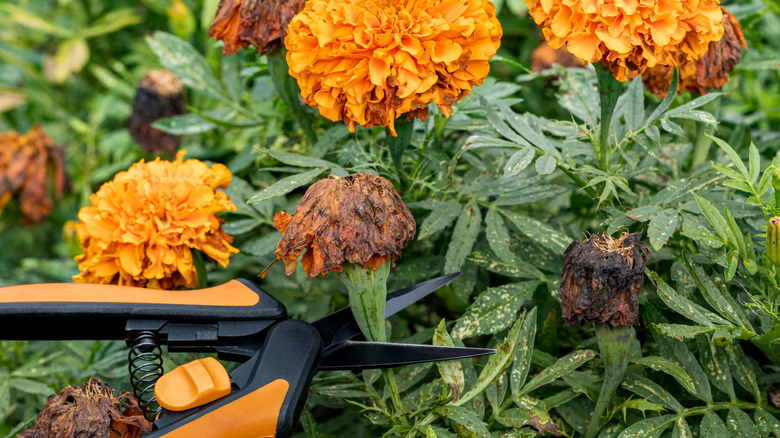
Marigolds (Tagetes) are summer-blooming plants, often grown as annuals, with memorable orange or yellow flowers perfect for garden borders. Their natural months-long flowering period can be maintained and extended with deadheading. Removing dried flowers also keeps the foliage looking neat and can help stave off a summer blooming slump driven by heat stress. You have the option of pinching the spent flowers off the stems or using pruners. This routine is especially important if you're having a humid summer.
Tickseed
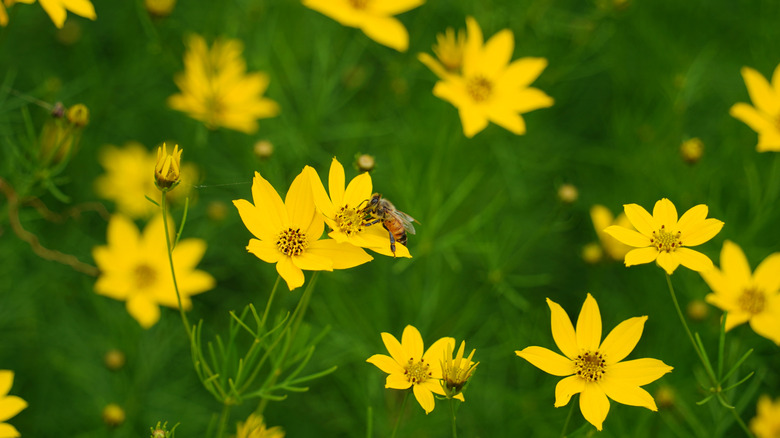
Even though tickseed (Coreopsis) is a colorful low-maintenance perennial that thrives in poor or rocky soil, they can use deadheading in August for late summer blooms. After the middle of the season, this native plant's flowering may become sparser, but periodically taking off dead flowers can keep more coming. After the summer, though, you may want to leave the last set of blooms so birds can feed on the seeds. Tickseed grows outdoors in zones 4 through 9, where deadheading can also help it survive winter, preventing it from sapping all its root strength into producing seeds.
Garden phlox
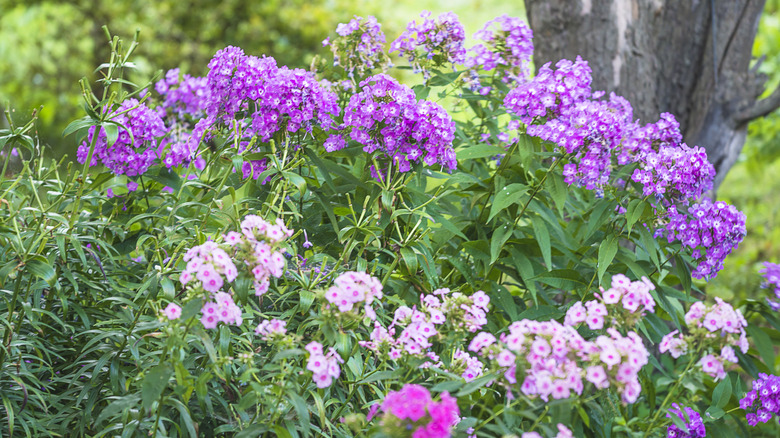
In addition to bringing on another flush of flowers, deadheading garden phlox (Phlox paniculata) helps keep it looking consistent from year to year. The results of self-seeding in this perennial, which grows in zones 4 through 8, may appear different or not flourish as well as the cultivar you're growing. Keep deadheading (cutting into the stem just below the faded flowers or any visible seed pods) through the month of August to keep the blooms emerging until September. The presence of side shoots may indicate you can coax more flowers from the plant.
Shasta daisy
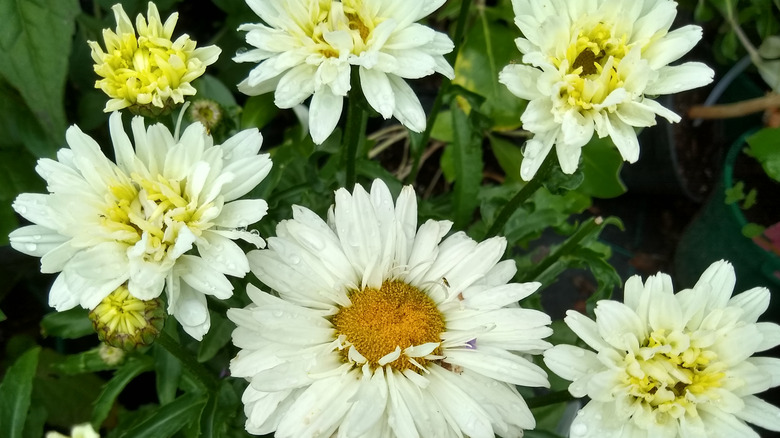
The summer-blooming shasta daisy (Leucanthemum x superbum) can grace the garden with more white, yellow-centered flowers after an August deadheading anywhere in their growth range of zones 4 through 9. Just take your pruners and cut the stem, stopping at side leaves or buds that will be the source of the new growth. You'll know it's time to do this when the leaves are drooping and turning brown, and the center is drying out. Repeating this process can get you blooms through September, especially in certain cultivars with side branching, like "Daisy May."
Snapdragon
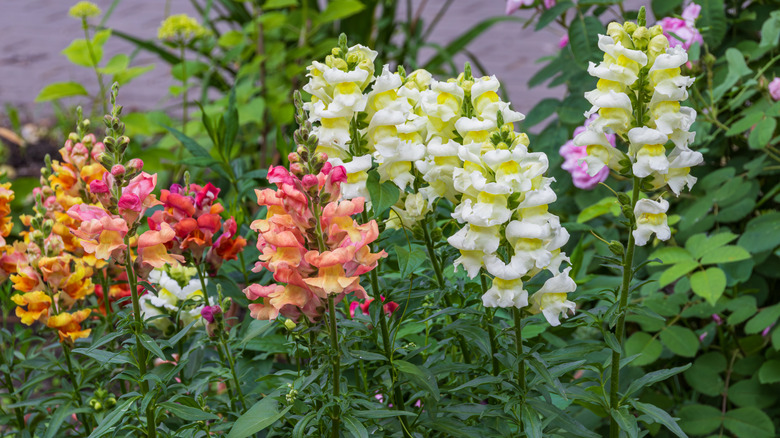
When August rolls around, your snapdragons (Antirrhinum majus) may be having trouble keeping up their blooms in the heat. These colorful and intriguingly shaped flowers are usually grown as annuals, so regularly removing flowers once they've faded keeps them in good condition and blooming until the fall. You can use your fingers to pluck off individual spent flowers, little stems that attach them to the flower spike, and seed pods. If all the flowers have fallen off a spike or look bedraggled, it's okay to cut off the whole spike.