

Bolder Than Crepe Myrtle: The Purple Flowering Tree That's Low Maintenance
Crepe myrtles (Lagerstroemia indica) are a popular choice for a variety of landscapes, but perhaps you would like a different look. Or maybe you'd like to avoid the hidden downside of growing a crepe myrtle tree in your yard: the inevitable messiness of the tree's falling flowers. That messiness means you must be strategic when choosing where to grow this tree. But instead of worrying about where to plant a crepe myrtle, why not add a different tree altogether to your space, like a delightful variety of the cherry plum tree: Prunus cerasifera 'Atropurpurea.'
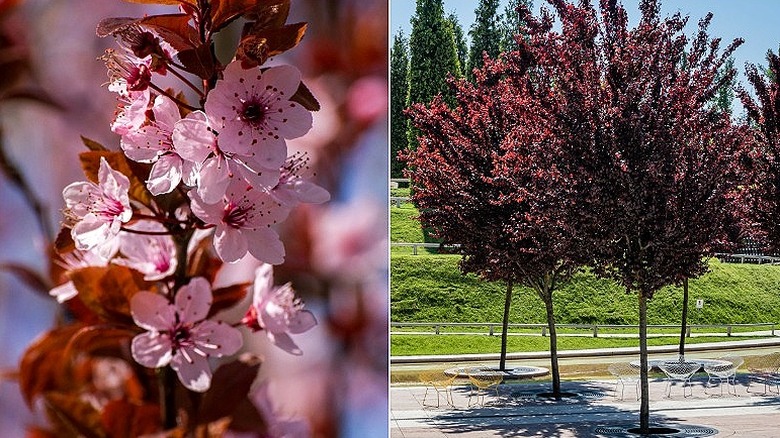
Common names for this cultivar include 'Atropurpurea' flowering plum, purple-leaf cherry plum, and purpleleaf plum. It's a small, shrubby tree that produces white to pinkish flowers in the springtime, followed by reddish to dark purple leaves that last for months until the fall. It is a medium- to low-maintenance tree that doesn't require too much attention or pruning.
Its mature form is rounded, so it has a nice shape for a landscape tree, though irregular growth adds a little more interest. This type of tree grows very quickly, but often does not live very long. Grow it as a pretty, purple specimen tree for about 10 to 20 years.
How and where to grow the purpleleaf plum
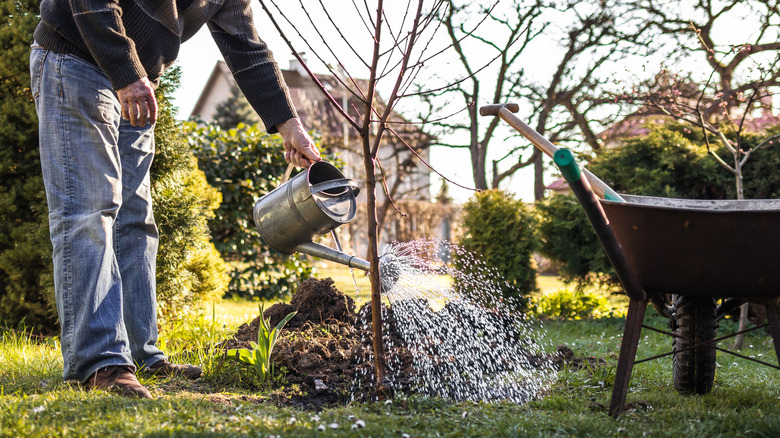
The purple-leaf cherry plum is among the medium- to low-maintenance trees that you will want in your landscaping, even when it drops a bunch of fruit in the summertime. The 1-inch fruit (a drupe, or stone fruit, that's about the size of a cherry tomato) is reddish-purple and edible, making it a different type of mess compared to the seed pods and flaking bark of a crepe myrtle tree. Further, you can cut back on its fruit output (and subsequent mess) by pruning the tree after flowering.
Beyond ensuring you provide 'Atropurpurea' with properly draining soil, this tree does not mind various soil types. The purpleleaf plum tree is hardy from zones 5 to 8, with some potential to be hardy to zone 4. Plant it in a location with full sun to help it thrive and showcase the best leaf color.
Something to be aware of with purpleleaf plum trees is that they may easily be infected by several diseases or insects, including aphids, borers, and leaf spots. Thankfully, there are also a plethora of companion plants you can grow to encourage a healthier plum tree, including borage (or starflower) and chamomile. Due to its small size, maturing to about 15 to 25 feet tall at most, combined with its short lifespan, purpleleaf plum trees work well grown as foundational plantings near structures.
You could also use the dense growth of the tree's branches as a type of natural privacy screen when several trees are grown together (spaced at least 18 feet apart from their centers). Its rapid growth can fill in with spreading branches without much effort on your part.