

12 Common Predators That Can Help Naturally Get Rid Of Ticks In Your Yard
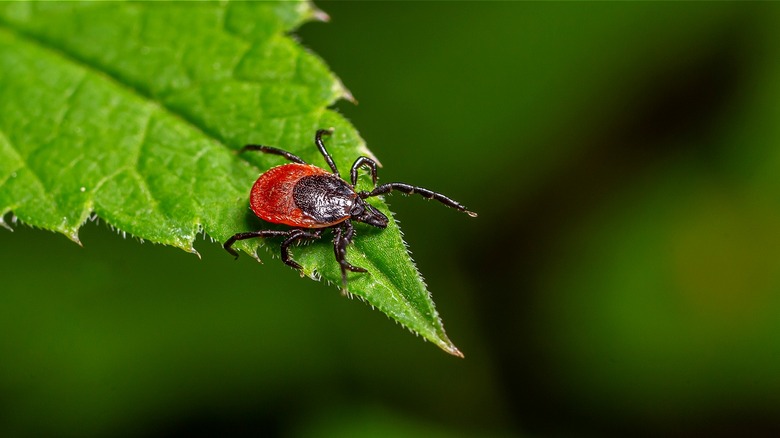
Nobody wants to step into their yard just to find they've picked up a straggler only moments later. Although their small size may make them seem harmless, ticks can pose quite a risk, with some ticks carrying a variety of disease-causing pathogens that can turn into illnesses like Lyme disease or Rocky Mountain spotted fever. Fortunately, ticks aren't exempt from the food web, and there are a variety of common predators that can naturally protect your outdoor space, helping to create a more tick-resistant lawn without spraying chemicals.
Birds, for example, are one of the most common predators of ticks. Species like bluebirds, robins, and even ducks can make a meal out of ticks in your yard, but they're not the only animals that prey on these arachnids (ticks are arachnids, not insects). Aside from birds, various amphibians, reptiles, and spiders are also tick predators. And you may even see an insect like the fire ant turning these parasites into prey.
While these common tick predators can help naturally get rid of and protect your home from ticks, it's important not to rely on these critters for full tick pest control. You should combine it with human prevention, like keeping your lawn cut short. Although many of these predators will feed on ticks when the opportunity arises, they often don't do enough to reduce populations drastically.
American robins
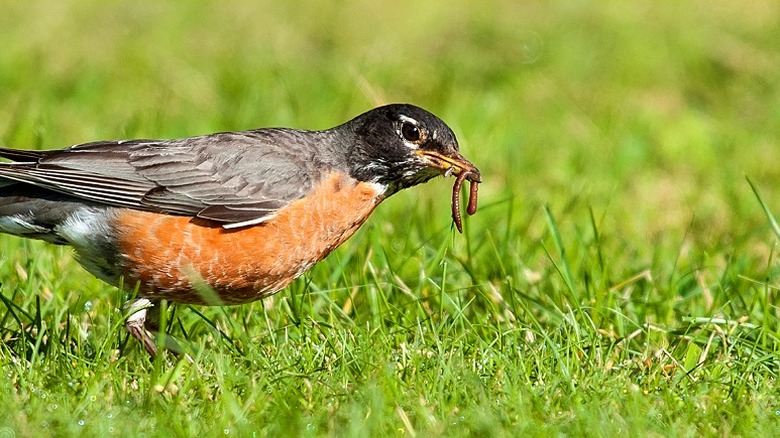
When it comes to naturally reducing the number of ticks in your yard, birds can be one of the best predators to invite, like American robins. These birds are common throughout North America, and their diet is largely composed of invertebrates and fruit.
While "invertebrates" commonly means insects, robins also eat earthworms, mollusks, and, you guessed it, ticks. No single species can completely eradicate the ticks in your yard, but creating a hospitable environment for predators like the robin is a start.
Eastern bluebirds
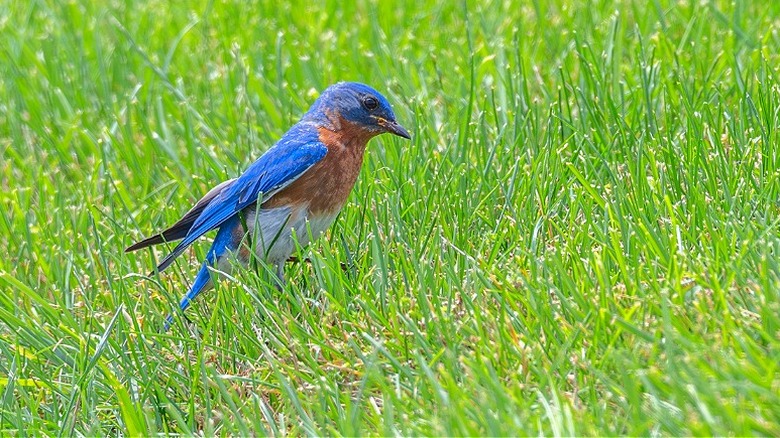
While Eastern bluebirds do indulge in fruit, especially during the latter portion of the year, they're also big on insects, like grasshoppers, and will eat ticks if they come across them. Bluebirds typically look for their meals on the ground. These birds share the same habitat and range (eastern U.S.) as various tick species, including the American dog tick, the brown dog tick, and the Gulf Coast tick.
Blue jays
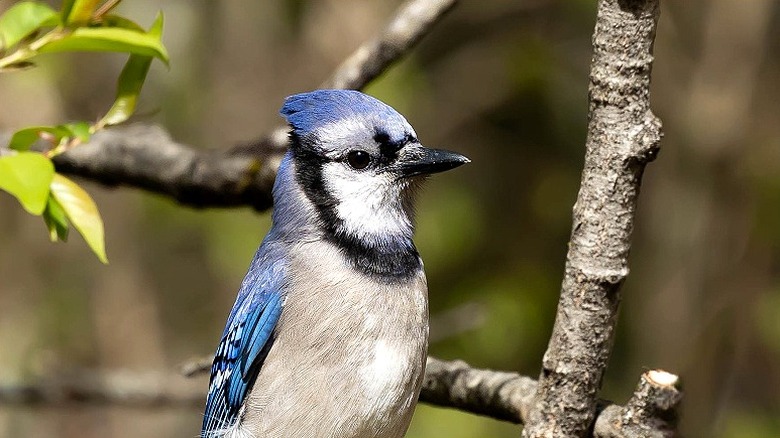
Blue jays eat a lot. And in their diet, insects play a big part, but the birds will also eat arachnids, like spiders and ticks, for protein. They also, of course, love nuts and seeds. As for where you may be able to find the blue jay (an omnivore) to help your yard with natural tick pest control, they are common to the eastern half of the United States, so you won't find them in California, Nevada, or Arizona.
Lizards
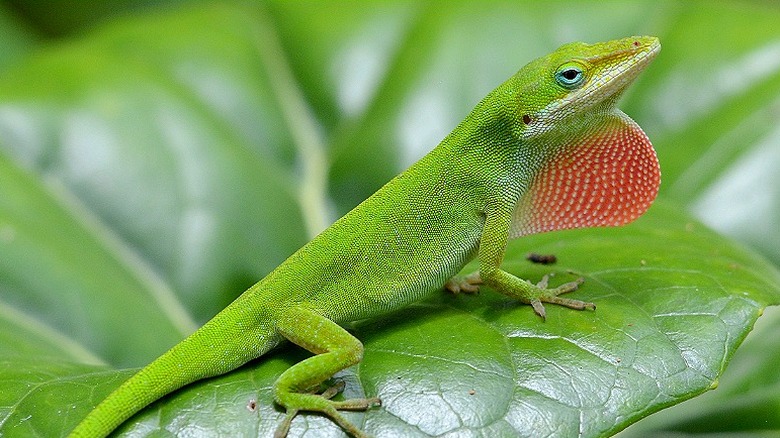
There are over 200 lizard species in the United States, and, of course, not every species has the same diet. However, for those lizards that do eat insects, especially in the southern or western U.S., ticks could wind up on the menu, too. This buffet doesn't go one way, though. As with many of the other predators on this list, you may occasionally find lizards being preyed on by ticks as well.
Frogs
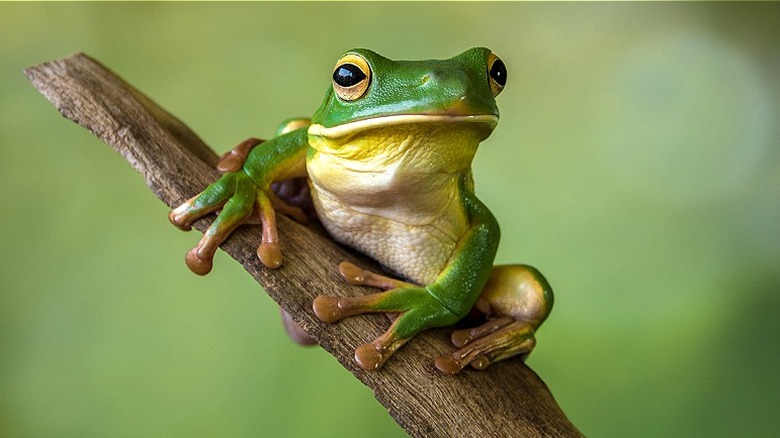
As amphibians, frogs typically spend a lot of their time near water. As a result, they may not come into contact often with ticks. However, if your yard is rich with tall grasses, moist areas, or a water sources (like a pond), frogs may find your yard on their own, and get closer to the areas around your home where ticks hide. And because frogs eat a variety of small invertebrates, nearby ticks could end up as their prey, too. Of course, this will largely depend on the frog species local to your area and their appetite for ticks.
Crows
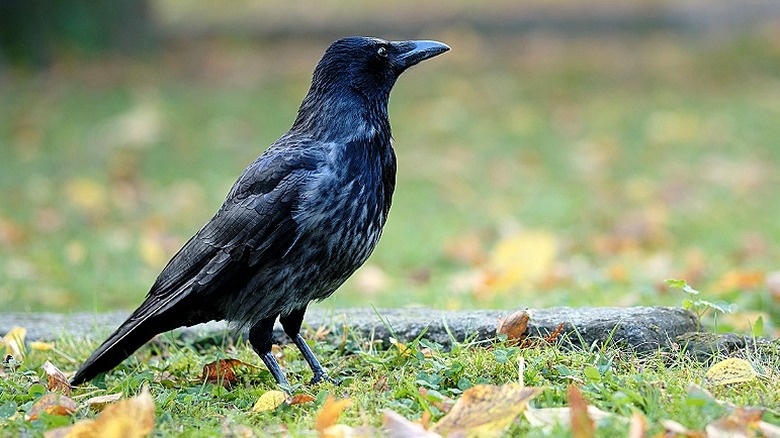
Blue jays aren't the only corvids that like having ticks on the menu; crows do, too. And like blue jays, crows aren't picky eaters. When they find them, they may feed on ticks themselves or bring it to their nestlings during the breeding season.
Depending on location and other species present, crows have been known to remove ticks off of other animals. However, this symbiotic cleaning behavior often occurs with larger animals, such as wallabies, so chances are you won't see it happening in your backyard.
Toads
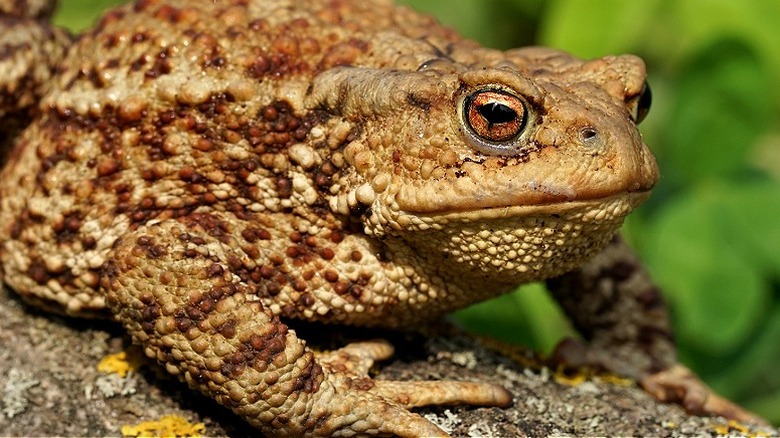
Just like with frogs, the likelihood of a toad eating ticks will depend on one, overlapping habitats and, two, the exact species of toad. However, when factors do line up, it's not unheard of for a toad to eat ticks. Because toads prefer terrestrial landscapes (specifically, fields) compared to a frog's more aquatic environment, they may provide better tick-control than their cousins; although, just like with all tick predators, neither can totally replace human prevention and intervention.
Spiders
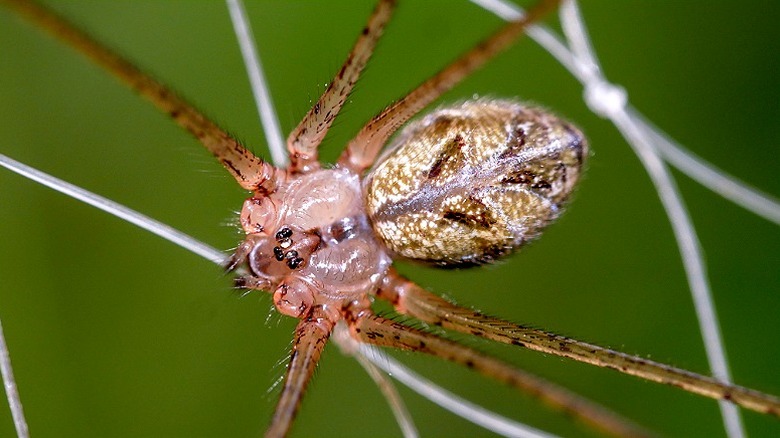
Although many people may mistake them for insects, ticks, as mentioned, are actually arachnids, which makes them closely related to animals like spiders and scorpions. However, sharing taxonomy doesn't come with special benefits. Instead, spiders will also occasionally eat ticks. This can happen when a tick ends up in a spider's web, where these skilled hunters will treat the intruder like any other invertebrate. Not all spiders will eat ticks, though, especially those that prefer larger prey. However, there are some species, like wolf or brown recluse spiders, known to prey on available ticks.
Grackles
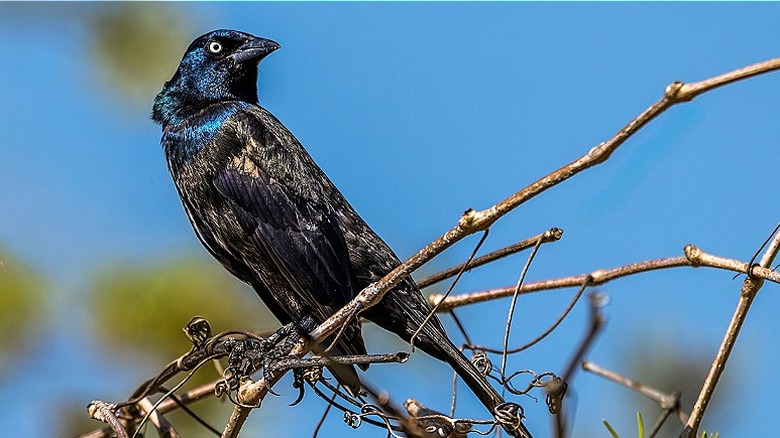
Common grackles aren't particularly picky when it comes to food. These ground-foraging omnivorous birds eat everything from seeds to amphibians. They are even known, unfortunately, to eat trash, a consequence of their presence in urban environments. As a result, should you spot a grackle in your backyard, don't be surprised if it tries out the tick population there. The common grackle typically has a heavier animal-based diet in the summer, which is when its potential tick-grazing may be the most notable.
Ducks
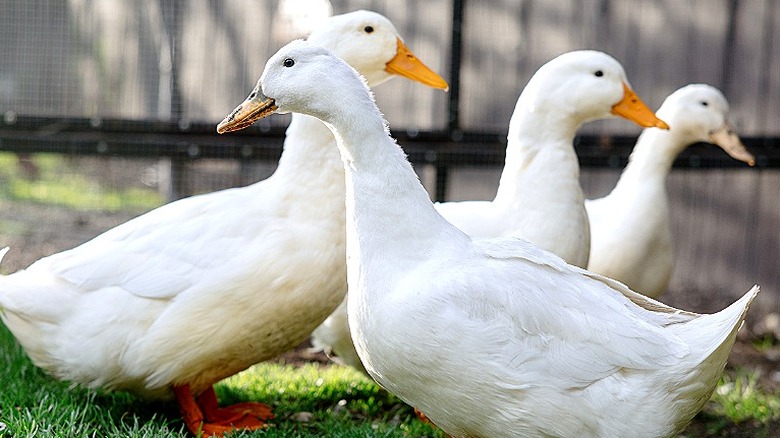
Ducks will often graze in the vegetation near their preferred water source, getting their protein from all kinds of insects and other invertebrates that they can find there. As a result, your wild or domesticated ducks may end up eating ticks, too, including any tick that tries to turn a duck into a host. While ducks can be quite effective in this regard, raising backyard poultry comes with a large responsibility, so you may not wish to adopt new feathered friends specifically for tick control.
Ground beetles
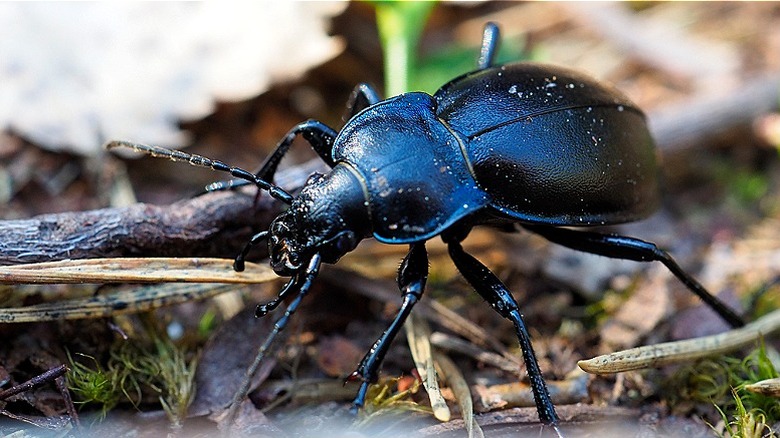
Ground beetles are a beneficial type of insect that preys on other invertebrates in your yard and garden. They are known for controlling pests (like aphids and slugs) without becoming a problem for humans themselves, making them a great species to invite into your backyard space, and specifically to help with your tick problem. Though not all beetles eat ticks, the ground beetle is one that does.