

What Are The Disadvantages Of Shade Sails?
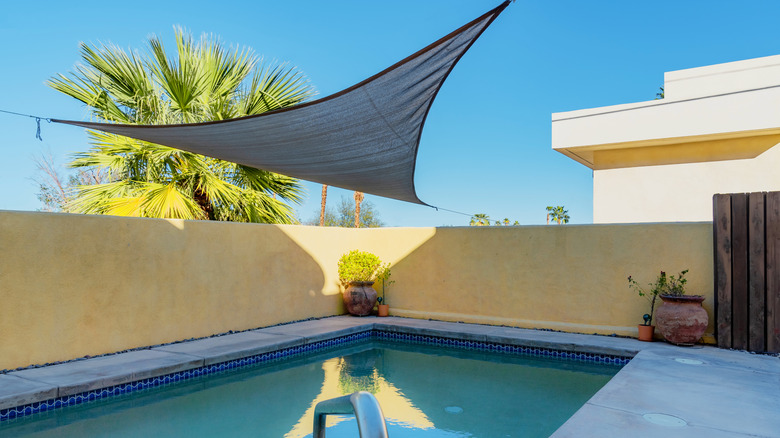
Shade sails have carved out a spot in plenty of backyards, offering a stretch of cool, breezy coverage without the bulk of a permanent structure overhead. Unquestionably, a shade sail will add shade and style to your patio – but before you install one, it's important to know its limitations. Shade sail disadvantages include limited performance against sun, vulnerability to weather extremes, installation challenges, and issues with durability, longevity, and maintenance.
A shade sail's main job is to shield you from the sun's UV rays, but its design means it's not always up for the job. First, it's installed in a fixed position that doesn't account for the sun's movement across the sky and the changing configuration of sun and shade throughout the day. Whether by design or through faulty installation, unshaded gaps may be present. A shade sail made of UV-resistant material protects you from most, but not all, UV rays. The fabric's ability to protect against UV rays may also degrade over time.
If you live in a windy area or one that's prone to torrential downpours, you may want to think twice about obtaining a shade sail, as they can be vulnerable to weather-related damage. While some shade sails come with a waterproof coating, they may not stand up to sustained exposure to intense precipitation.
Shade sails may not stand up to extreme weather or flawed installation
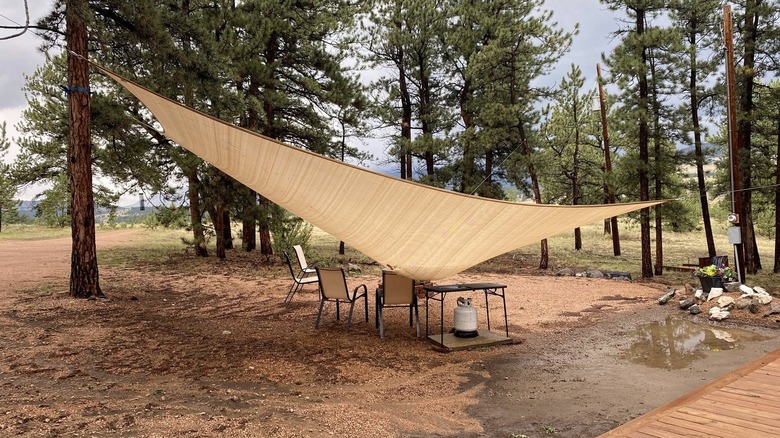
Installation and maintenance can add significant time and expense to your shade sail. You can learn how to install a shade sail, but you need to be prepared to do it right, which requires identifying robust anchor points for the sail's support posts and achieving sufficiently tight tension so the sail doesn't droop in the middle. You may find yourself needing to adjust the tension regularly over the life of the shade sail. Shade sail installation isn't overly complex, but to get the anchor points and tension right, you may need to hire a professional to handle your installation.
You'll also need to invest time and effort into maintaining your shade sail, and even with care, you may find the sail degrading eventually to the point of needing replacement. A shade sail's lifespan is five to 15 years. All that sun and rain take a toll on even the highest quality shade sails made of UV-stabilized, knitted, high-density polyethylene (HDPE), the material manufacturers and installers recommend as the most durable. Color will also likely fade over time.