

How Often Do You Need To Add Water To Your Pool?
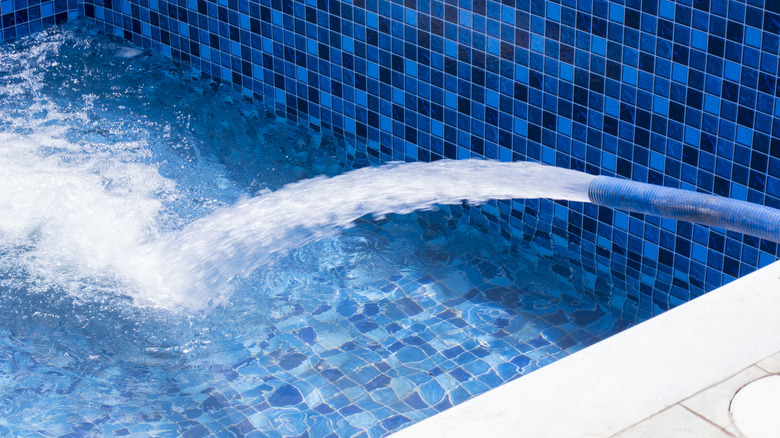
If you're new to owning a pool, you may find yourself wondering how often you should be adding water to it. Well, many different factors can impact how much water your pool loses over time, such as everyday evaporation and the water loss that comes from people splashing around in it. According to a recent Marlboro Township summer water usage memo, a swimming pool can lose over 25,000 gallons of water per year or ¼ to ½ inches per day, depending on daily temperatures and rainfall. But, when it comes to how often you need to replace that lost water, one of the most important things to consider is your pump.
Pool pumps are designed to pump water from outside the pool, but they need this water to stay cool. If the water level drops below the skimmer box and not enough water is running through it, the pump can burn out and break if left running on air. So, it is important to refill your pool often enough to ensure that the skimmer box stays submerged. Many pool owners find this is about once or twice a week. However, if you find yourself having to refill your pool more frequently than that, it could suggest that you have a leak on your hands, which needs to be dealt with urgently.
One quick and easy way recommended by pool owners is to fill a bucket with some water from the pool and mark its level. Keep an eye on it along with the water in the pool throughout the day. If the water line in the bucket stays notably higher than the pool, it is generally an indication of a more serious leak. But even without any leaks, many pool owners can be daunted by how often they have to refill their pool. However, there are some ways to slow evaporation, save you money, and ensure a safe pool environment. Let's check them out!
How to stop your pool from losing as much water
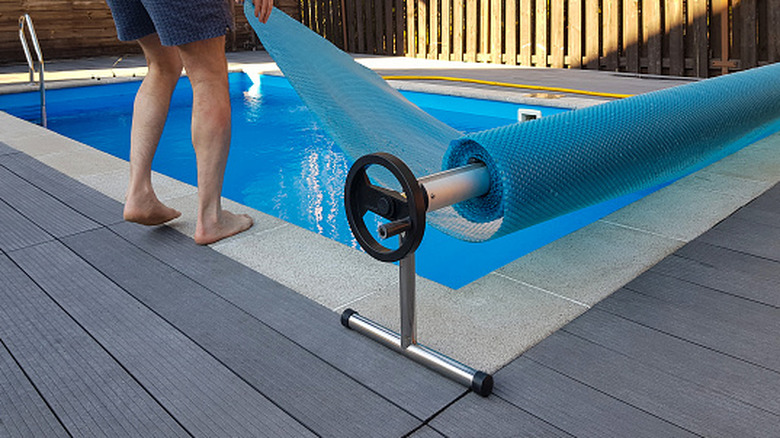
Adding water to your pool every week is one of those maintenance tasks that are inevitable. However, there are a few ways to ensure that your pool's water level doesn't decrease as quickly, meaning you don't have to fill it up quite as often. While you can install autofill systems, this isn't always the best idea as they could mask a leak, allowing it to happen right under your nose. Instead, one key solution is utilizing a pool cover. According to the EPA, pool covers can slow the rate of evaporation by up to 95%, making your pool more sustainable in the process. But that's not the only reason these are often touted as great pool accessories — they can make pools less dangerous for babies, pets, and young children. They do this by offering a barrier that stops them from being able to jump or fall into the pool without proper adult supervision. Covers can also stop debris such as leaves and dirt from landing in the pool when it is not in use, meaning less strain on your filters.
If you don't want the hassle of putting a pool cover on regularly — or you're keen to keep your backyard pool ideas on a budget and don't want the upfront expense of getting an automated pool cover – another option is a liquid pool cover. This chemical isn't noticeable when you're in the pool, but when the water becomes still, it forms a barrier that prevents evaporation, making it an easy, no-fuss option. Just keep in mind that liquid pool covers need to be redone once a month and won't act as a safety barrier for pets, children, and wildlife.