

You Can Do Better Than Plastic Plant Tags: Here's The Eco-Friendly Alternative To Use Instead
We may receive a commission on purchases made from links.
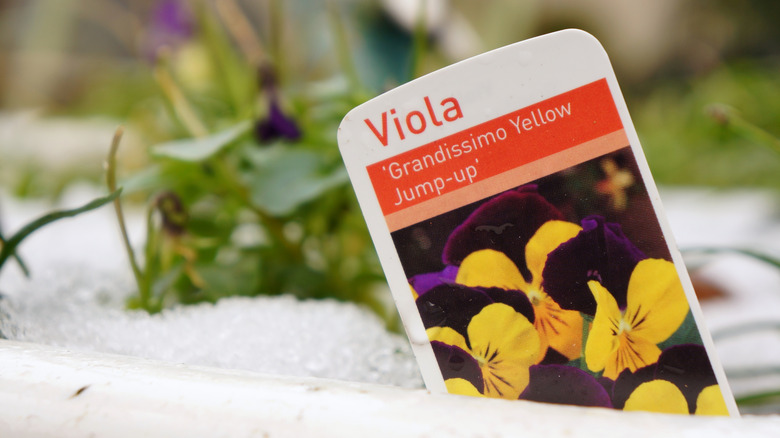
Whether you're buying new clothes, housewares, or a new plant, product tags are essential. They tell us how to care for the item and allow us to gauge our level of investment. Dry clean only? No thanks. Hand wash only? Too much work. For plants, these tags also help us to identify what we've planted. Yet, over time, plastic tags become brittle and can disintegrate with exposure to the weather. There are creative alternatives, like DIY plant markers made from broken garden pots or this genius clothespin upcycle, but if you're not a DIYer, opt for durable, eco-friendly aluminum tags.
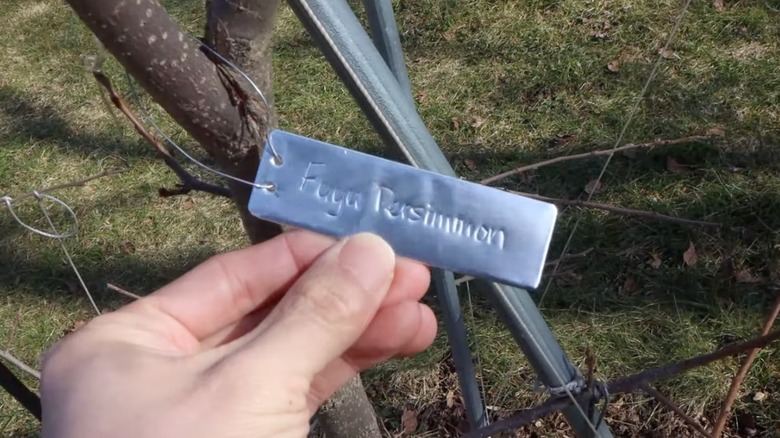
Aluminum tags are exactly what they sound like: strips of aluminum that can be embossed with a stylus, ballpoint pen, or anything sharp. Insert them into the soil or hang them on tree branches with wires that are typically included with the tags. Although the costs will vary, they are generally quite affordable. For example, these Emboss-O-Tag Double-Sided Write-On Metal Labels cost $15.25 for a pack of 50. Making an impression of the plant name (or any additional information) is more reliable than writing with a marker, which can smear or fade.
As aluminum doesn't contain iron, the tags won't rust. However, exposure to moisture and oxygen can lead to oxidation — a thin layer of whitish-gray buildup — that protects against corrosion. If the buildup prevents you from reading the tag, the best way to clean aluminum is with an acidic substance, like white vinegar or lemon juice.
Keeping plastics out of your garden
You may be wondering why you need to buy anything in the first place. After all, the markers that come with the plants are fine, and an aluminum tag would hold only a fraction of the information that plant growers provide. There are actually many reasons to save plant tags, so storing them in a plant journal or small box for future reference would be beneficial. However, people who have tucked plastic tags in the soil long enough know that they can crumble over time — and that's where the danger lies.
As a gardener, there are sneaky ways that you're bringing harmful microplastics into the garden. Plastics are used in pots, seed trays, landscape fabric, and mulch, to name a few. These items are beneficial, but an accumulation of plastics in the soil can have adverse effects. They can change the soil's structure and its capacity to hold water, impeding plants' capacity to thrive. The material can also absorb chemicals, metals, and other toxins that not only impact the soil's ecosystem — like worms or other beneficial microbes — but also make its way into crops that humans eat.
Since we can't completely avoid plastics in our yard, consider creative ways to reuse plastic pots in the garden. Also check with your local recycling program to see what they accept. Otherwise, look for garden stores, like Lowe's, that are inviting customers to bring back plastic pots, trays, and tags for the company to recycle.