

The Unwritten Rule To Know Before Building A Fence On A Property Line
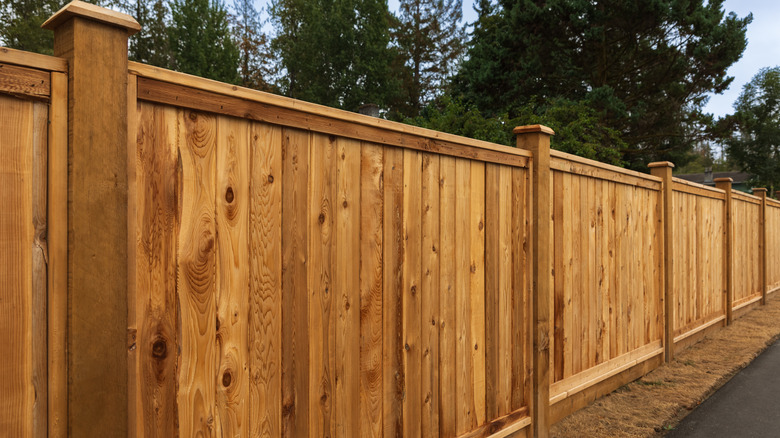
There are many things to consider before installing a new fence on your property line, such as its height, style, and whether you want to build it using standard supplies or overlooked materials. However, one crucial factor that often goes unnoticed is who pays for the new fence. Technically, a fence directly on a property line, or partition fence, is owned by both neighbors, but that doesn't automatically mean that your fencemate will be onboard with a new addition. Fortunately, there is an unwritten rule that may get you partial compensation if you want to build a fence. Depending on your local laws, each party will typically pay for half of the project via something known as shared expenses regulations, but there are some caveats.
Your neighbor may pay for more or less of the fence depending on how much they benefit from it. For instance, if your neighbor isn't currently living on their property, they have no reason to pay for a new fence. Of course, you're more than welcome to pay for the entirety of the construction, but that will not guarantee you full ownership over the finished fence. Even if a fence was only bought by one party, as long as it sits on the property line, it belongs to both neighbors. However, that also means your neighbor can be held accountable for maintaining their side, but it will be up to you to add the enhancements that wow the neighborhood.
Fences are usually paid for by both neighbors
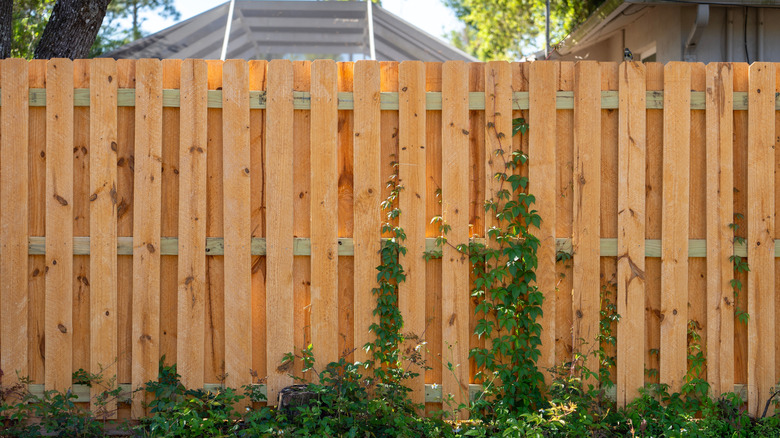
The best way to go about installing a shared boundary fence is communicating with your neighbors. Assumedly, a new fence is being built because the old one is broken or unsightly, so a replacement will likely benefit both properties. Even if you have a good relationship with your neighbor and trust them to keep their word, you should still write up an official payment plan or contract. This should simply outline exactly how much each party will contribute, whether that be a 50/50 split or a cost-plus agreement where one party pays interest, as well as how much maintenance people will perform. Take this time to also check your local HOA and zoning laws to ensure your planned property fence can be installed in the first place.
If your neighbor does not want to contribute to the fence, you can do research on your local property laws and either present the neighbor with a written notice or have a mediator help negotiate the situation. In the worst-case scenario where you are unable to come to an equal agreement, you can build a fence slightly off of the boundary line so it's completely on your property. The same process of checking building codes still applies, but you won't have to deal with a grumpy neighbor. If you don't want to bother with the fence, there are ways to add privacy to your backyard while keeping an open feel.