

Ditch Toxic Chemicals: The Gardening Trick That's Better At Eliminating Weeds
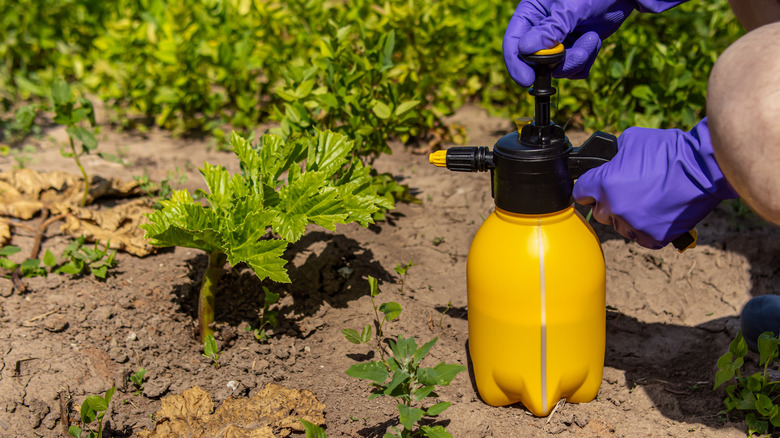
For many gardeners, there's just one thing getting in the way of the most beautiful flower or vegetable garden beds: weeds. Whether you're battling unwanted quackgrass (Elymus repens), prickly lettuce (Lactuca serriola), or some other unwanted plant, weeds can be an ugly sight. But they can cause all sorts of other unexpected problems, too – the aptly-named puncturevine (Tribulus terrestris) provides a colorful idea of the type of trouble they can cause. You may have already tried most of the tricks in the book to remove or prevent these unwanted plants, including using toxic chemicals. But there is one gardening trick you may have overlooked. You should avoid pulling weeds from dry soil, and instead wait until the soil is wet to weed.
This is a particularly helpful technique for pulling weeds when you have dry soil after a heat wave. Moist soil makes pulling weeds much easier and allows better removal of the roots without them breaking off and remaining in the soil. Small pieces that snap off and are left behind can potentially grow into new plants (depending on the type of weed), potentially making you feel like your garden upkeep has all been in vain. Some problematic plants that can re-sprout in your beds when fragments are left behind include hedge bindweed (Calystegia sepium), docks (Rumex spp.) and Japanese knotweed (Fallopia japonica). Toxic chemicals might be more effective at stopping these weeds, but they could bring harm to the rest of your garden — and they'll get rid of weeds you could actually make use of.
Tips for pulling annoying weeds when the soil is wet
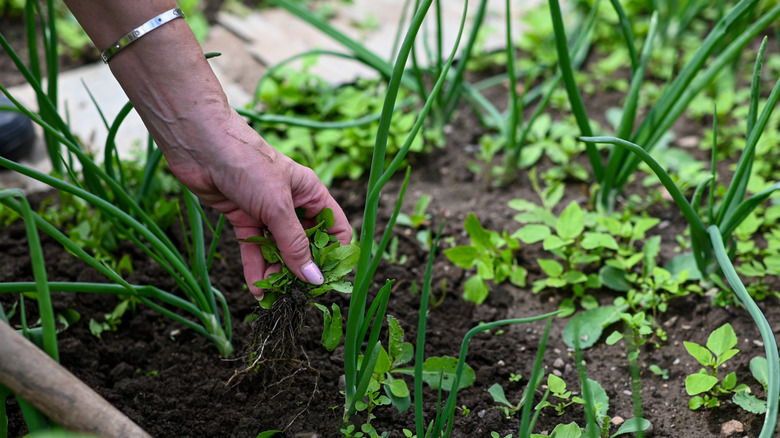
To try this gardening trick, either wait for rain or irrigate the weedy plot. You can either pull them by hand or use a Hori Hori gardening tool for removing weeds from your property. Moist soil helps you pull weeds out with their whole roots attached rather than just taking out the foliage, so you can avoid leaving small bits of root behind to regrow.
You might feel motivated to go out as soon as the sky clears and start yanking weeds out of your beds, but there's a reason you should wait to remove those unwanted plants. Allow the soil to dry for a day or two so that it's moist, not wet. Walking or pressing on the bed while it's wet can compact the soil, which won't help in your efforts to grow gorgeous flowers and bountiful food harvests.
Once you've pulled the offending plants out of your well-designed landscaping or edible garden, you may want to be selective about which ones you send to the compost. If you have avoided the use of toxic chemicals on your lawn and garden beds, you can treat certain weeds as part of your harvest. Dandelions, common mallow (Malva neglecta) and the young leaves of lambsquarters (Chenopodium album) are all edible — you can cook them up or add them to salads.