

How Safe Is A House That Is Built On Concrete Blocks?
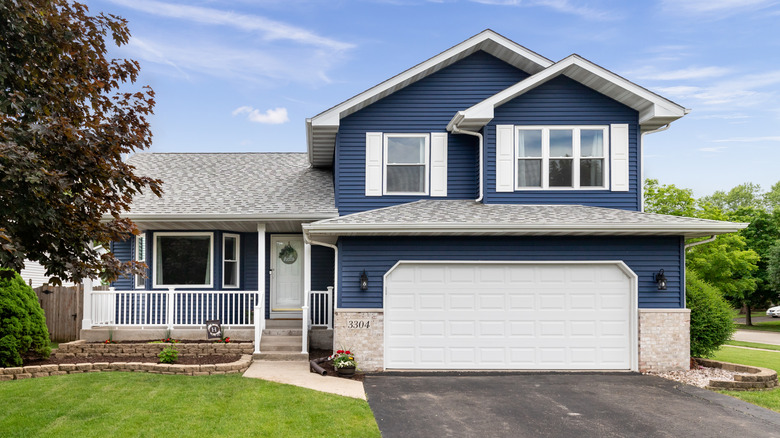
It is estimated that upwards of 30% of U.S. homes have been built on concrete block foundations. Unlike poured concrete, which requires formers and the use of heavy equipment on site, the blocks are relatively easy to work with. The former option is more popular today because of the speed with which it can be installed. However, if your home has been around a while, there's a reasonable chance concrete blocks were used. So how safe is that residence? The simple answer is that when properly constructed, it should be absolutely safe. That said, there are warning signs worth looking out for.
Some old-school building materials have become obsolete, but not concrete blocks. There are homes standing today, good and solid, that were built on concrete blocks 80 years ago. If you consider how much weight a cinder block can hold, this should be no surprise. Actually, what we generally call cinder blocks should properly be called concrete masonry units (CMUs), and each one must be able to support at least 2,000 pounds per square inch. They are not only incredibly strong but also extremely fire-resistant.
However, for maximum strength, the foundations should not have been built with hollow concrete blocks alone. Rebar should have been added, and the hollows filled with grout (a kind of poured concrete). An exterior waterproof layer should also have been installed. While this is now standard building practice (and has been for some time), unfortunately, there may be exceptions.
The warning signs that a home built on concrete blocks has structural issues
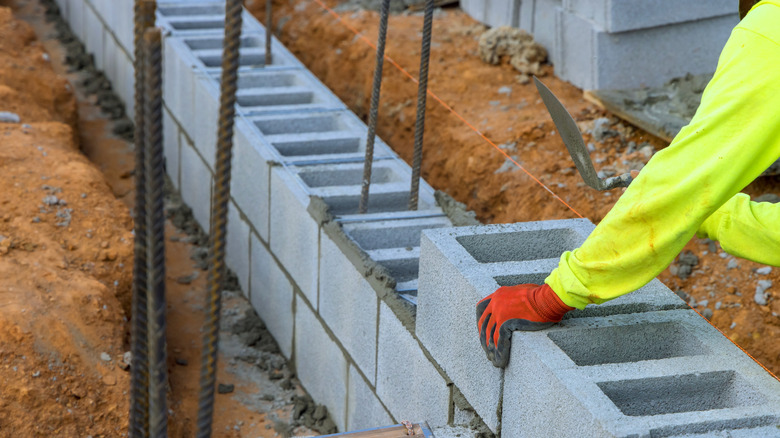
Without proper reinforcement, lateral pressure (the dirt pressing around from outside) can become a problem. If the foundations were not waterproofed correctly, moisture can seep through the porous concrete blocks. As the water freezes and then thaws again each year, the mortar can start to crack and flake away. The internal joints in your basement will then need to be repaired (repointed).
Of more concern will be signs that a wall is bowing inwards or the appearance of horizontal cracks running along it. These tell you that the lateral pressure we mentioned have become greater than the concrete block foundations can withstand. It is a serious structural issue that needs prompt, professional attention. Fortunately, there are a variety of ways to fix these issues and to ensure the structure is sound.
There are simple precautions that can help. Where possible, apply waterproofing to the interior block surfaces. Make an annual inspection. Check that your gutters are installed correctly so rainwater drains away from the building and doesn't seep into the foundations. A house built on concrete blocks should be as safe as any other. A little regular attention will ensure it stays that way.