

Can You Use Wool Pellets To Keep Snails Away?
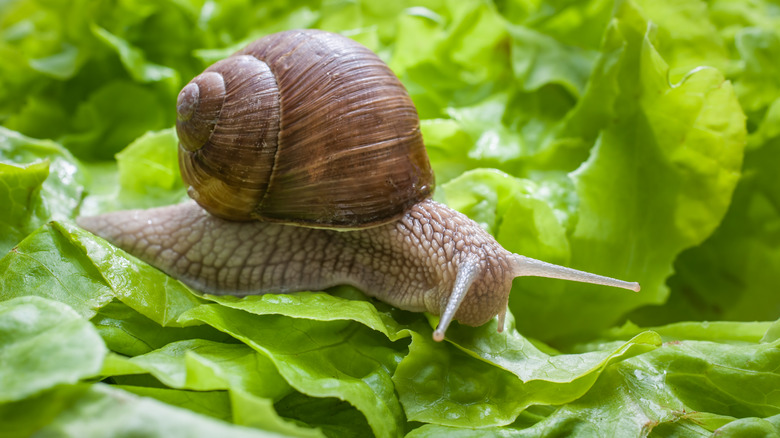
Snails and their slimier cousins have been eating their way through gardens since long before anyone thought to fight back with eggshells, beer traps, or strips of copper wire. Ask 10 gardeners for tips on keeping snails and slugs off their hostas and lettuce beds, and you'll likely get 10 different answers. Somewhere in that long list of home remedies sits wool — raw fleece, or more often, compressed wool pellets scattered around the base of vulnerable plants — marketed since at least the early 2000s as a natural, chemical-free way to send snails packing. But with so many "surefire" fixes floating around the gardening world, it's worth asking whether this one works. The truth is that some gardeners claim to have had success with wool pellets, but no scientific evidence specifically supports them as a deterrent to slugs and snails.
Anecdotal reporting suggests the wool pellet method is worth at least trying. StopSlugs, a site that researches slug and snail defense and sells related products, tested deterrents, rating wool pellets "fair" and ranking them above copper products and coffee grounds. The pellets may show greater success if used in conjunction with other methods, such as the popular toilet paper solution.
The idea behind wool pellets for warding off snails is that once the pellets expand when water is added to them, the wool fibers form a barrier between snail and plant because the snail is said to find the wool fibers irritating or uncomfortable to move across. Even if wool pellets don't deter snails when you try them, your effort isn't wasted because the wool is good for your garden.
Try wool pellets, a proven soil amendment, to deter snails
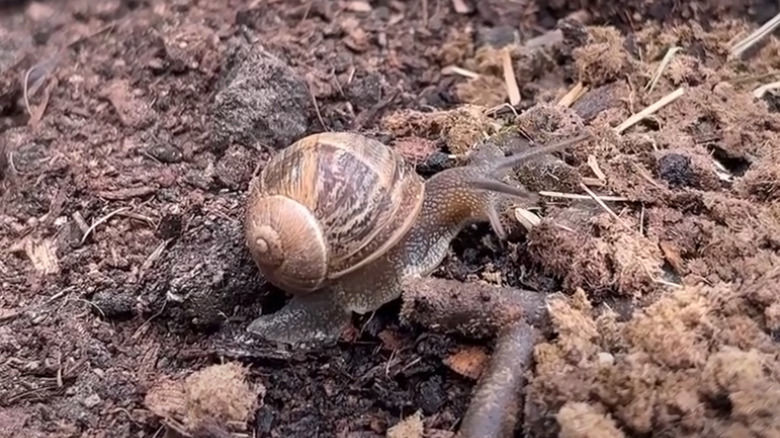
Science may not fully back wool pellets for snail deterrence, but research shows a number of other benefits for wool as a soil amendment in the garden. Wool has been demonstrated to increase vegetable, fruit, and herb yields. The fuzzy substance contributes nitrogen, carbon, and sulfur content, plus strong water absorption. It enhances soil fertility and carbon storage while slowing nitrogen release, researchers say. The only one of these studies to examine wool pellets specifically (as opposed to wool) affirmed the soil benefits and suggested wool pellets as an alternative for inorganic fertilizers.
To give wool pellets a try against snails, make a 6-inch ring of pellets around each plant you want to defend. Add water to allow the pellets to expand, allowing them to swell to the point of joining together to form a mat. Follow pellet label instructions just to be sure. You'll also want to avoid common gardening mistakes that are attracting slugs to your yard, such as overwatering your plants.