

The Horribly Fragrant Plant You'll Regret Planting In Your Yard
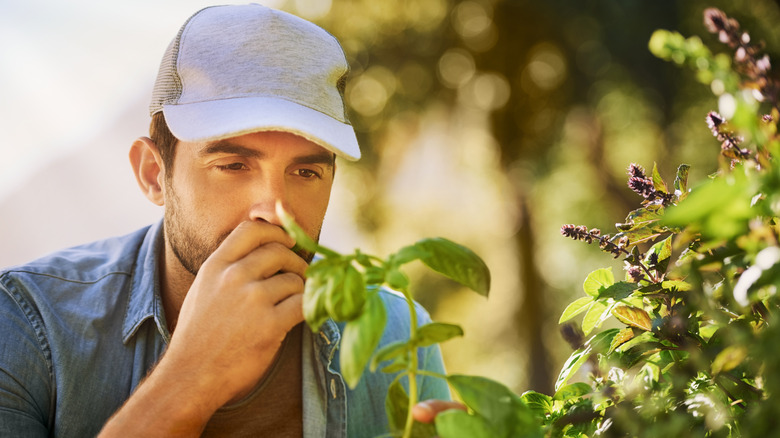
We expect great things from the plants in our herb patches, whether those great expectations involve culinary seasonings, the makings for calming teas, or pollinator-friendly flowers. What most of us don't expect are odors akin to what you'd smell if you opened a locker and found that a pair of dirty, sweaty socks had been left behind. If one of the plants you added to your herb garden was valerian (Valeriana officinalis), you might discover just that type of stinky surprise and wonder what on earth is going on.
You may have found out the hard way that valerian is not one of the sweetly fragrant herbs that'll make your patio or garden smell good all summer. But it's not the flowers of this plant that stink — the blooms actually have a lovely fragrance more akin to vanilla. The leaves have that unfortunate smell.
If you're wondering what purpose foul-smelling leaves serve for this herb — flies help pollinate valerian, and stinky smells help attract flies. The good news is you may not notice that stinky odor unless you crush the leaves, which is the standard way to release the smell from a garden herb for a more potent whiff. When valerian root is aged, it also develops this strong, horribly unpleasant scent.
What to do about valerian if you have some in your garden
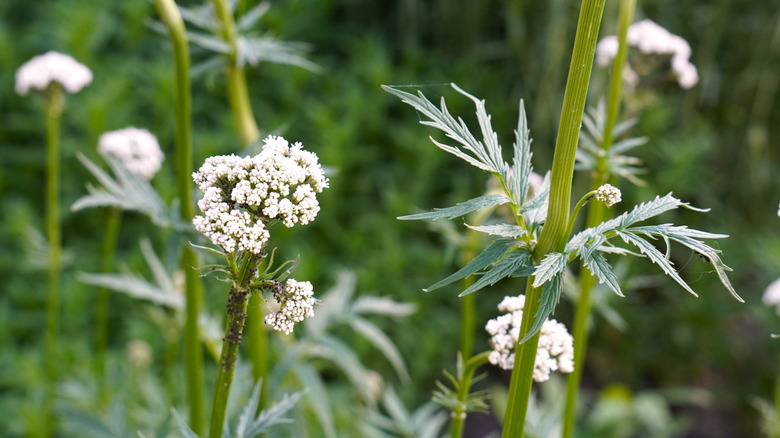
If you moved into a new property with a pre-existing garden to tend, you may not be sure whether you have valerian among the plants. These plants grow best in moist, sunny locations and reach 3 to 6 feet tall.
The foliage of this herb consists of pairs of toothed leaflets, and among the leaves you'll find long flower stalks bearing clusters of small white or pink blooms. Or maybe you're one of the gardeners who chose to grow beautiful valerian flowers to improve your sleep, unaware of the stink. This perennial plant grows in USDA Hardiness Zones 4 to 7 and has sedative effects that reportedly help with insomnia.
In addition to its horrible fragrance, you may also regret planting valerian in your garden because it's invasive in some areas — it can displace native vegetation and disrupt the local ecosystem. If you have a patch of valerian in your herb garden and the smell is too much for you or you don't like its invasive tendencies, remove it before the plant blooms. You can either pull it up by the roots or cut it back to the soil. On the other hand, maybe you won't regret planting valerian in your yard if you don't have a keen sense of smell — or if you just have a wicked sense of humor. If the latter is the case, we may also be able to interest you in carrion flower vine (Smilax herbacea); it's the stinky native vine that birds and other pollinators love.