

Keep Voles Out Of Your Yard With A Popular Flower They Can't Stand
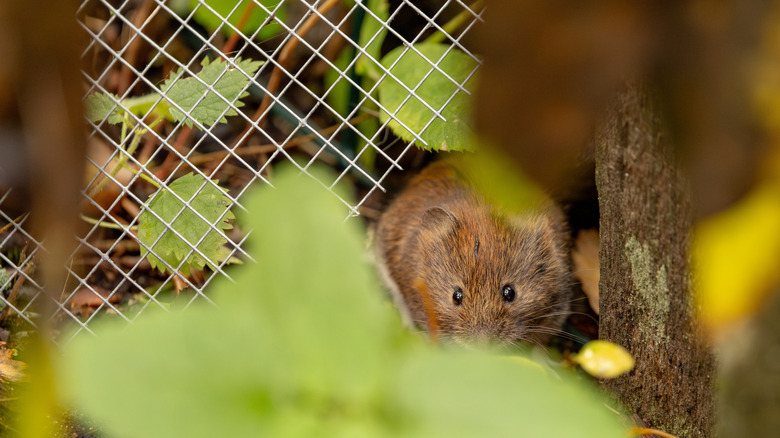
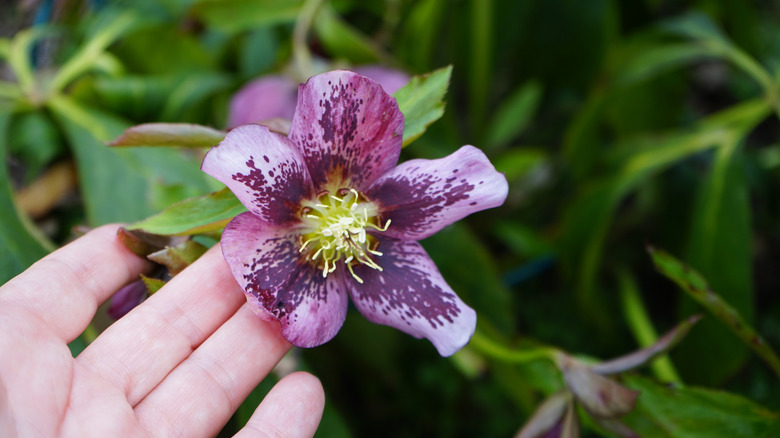
Chewed-up roots. Damaged bulbs. Tiny trails running through your lawn. There is no denying that voles can be some of the most frustrating garden pests. Luckily, there are many ways to deter voles from your yard or garden. From fences and repellents to traps and protective cages, the list goes on. You can even grow plants that voles tend to avoid. Take, for instance, hellebore (Helleborus × hybridus). Also known as the Lenten rose, this hybrid perennial in the Helleborus genus is prized for its abundant winter and spring blooms and eye-catching foliage.
Hellebores bring more than just pretty blooms to the garden, of course. Their plant parts, including their roots, are toxic, making them unpalatable to some animals, including voles. This is largely due to alkaloids and glycosides, which are basically naturally occurring organic compounds in plants that give them a bitter taste and make them toxic to animals. If you plant hellebores in a circle around your garden, voles will likely avoid tunneling through their root zone.
It's worth noting, however, that Lenten roses are hardy in USDA plant hardiness zones 5 to 9. If you live outside these zones, you might need to find another perennial to deter voles from your garden. Plus, keep your expectations real. Hellebores might help make your garden less attractive to voles, but they will not provide 100% protection.
Keep these things in mind when growing hellebores in your garden
Hellebores won't be of much help against voles if the plants themselves are struggling, so make it a point to give them the right conditions. Start with soil. Hellebores prefer well-drained, fertile garden soils, and they are very sensitive to wet conditions. So, if your garden has drainage issues or clayey soil, amend it with organic material like compost to help improve its drainage and increase fertility. Also, since it is hellebores' roots that will prevent the voles from tunneling through the garden, make sure the soil is not compacted or hard. Hard, compacted soil not only makes it difficult for roots to expand, but also creates drainage problems.
Other than that, plant them in partial shade to dappled sun, as hellebores do not like intense sun or high heat. As for how you can plant them, you can use both seeds and division. Just keep in mind that they are a bit slow to germinate from seeds, and if you are looking for quick results, it might not be the best option. When planting them along the border of your garden, maintain a spacing of about 15 inches between the plants.
Hellebores can grow up to 24 inches tall and 30 inches wide and take about 2 to 5 years to mature. Once mature, though, they are fairly low-maintenance and are one of those plants that will bring timeless beauty to the garden for years. You only have to water them consistently and fertilize them once in early spring, and they will be good to go.
Don't rely on hellebore alone to keep voles out of your garden
Growing vole-repelling plants like hellebore is a great start. However, hellebores alone might not be enough to keep these persistent rodents out of the garden, and sometimes they may need a stronger hint. Start by taking away their hiding places. Voles and other rodents love dense vegetation and protected runways, so if you want to make your garden or yard less appealing to them, keep your grass short and do not let leaves or other debris pile up. It's also important to avoid letting seeds pile up under your bird feeders. It is a sneaky mistake that can attract voles to your yard and garden.
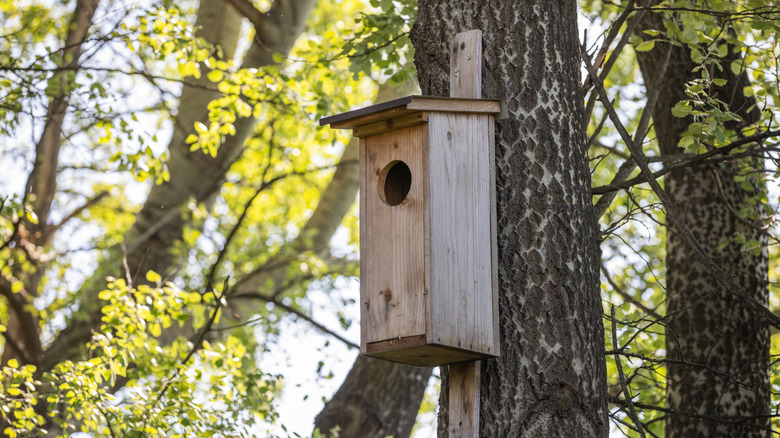
Besides that, add physical barriers, especially around plants that you really do not want to lose. Ensure that you keep them at least 6 inches deep and above ground so the voles do not simply tunnel below them. You may also want to keep a cat or install an owl box in your garden. These are natural predators of voles, and their presence can help keep rodent populations in check, though they are not a guaranteed means of control.
Lastly, install traps or cages in your garden if voles are already living there. Just make sure to keep children and pets away from them. Plus, if you can, plant daffodils (Narcissus spp.). Like hellebores, voles hate them, too, making them a strong defense against these stubborn rodents that can wreak havoc on your yard.