

Removing Weeds From Gravel Driveways: The Tool You Should Never Use
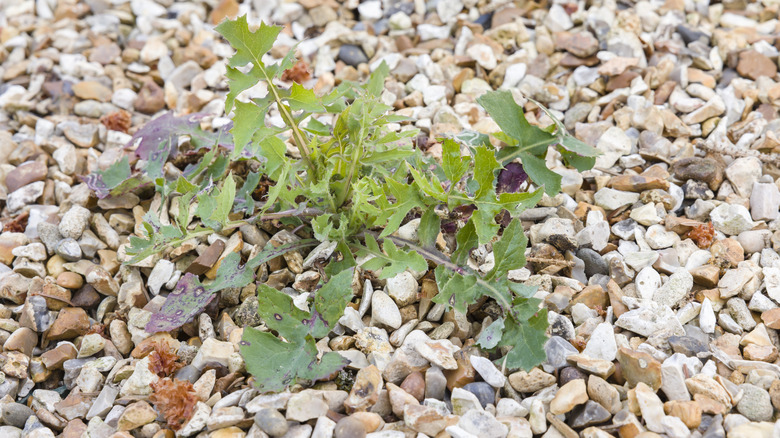
Are weeds popping up on your gravel driveway? Well, apart from the unsightly nature of them poking through your neat gravel, they can also be an issue because they can cause the gravel itself to degrade more quickly and they might even draw more pests to your driveway. Given its name, you may have found yourself wondering whether a weed eater could be the answer to these problems. However, this tool is not the most effective for removing weeds from gravel driveways for a few key reasons.
First, weeds survive by being incredibly hardy. This means that, even if they sustain damage to their foliage, they will likely be able to grow back if their root system remains intact. So chopping away at the top of the weeds in your driveway with a weed eater won't actually get rid of them. While this issue can sometimes be negated in borders and lawns by turning the weed eater at an angle — therefore digging up the roots of the weed — this isn't an option when weeding a gravel driveway because there is less dirt to dig into and because the weed eater could even kick rocks up, potentially causing injury.
On top of that, some gardeners state that using a weed eater or string trimmer on a weed can actually make the problem worse. This is because hacking at the top of the weed can actually spread its seeds around, resulting in even more popping up on your driveway. So, if a weed eater is ineffective and possibly even dangerous on a gravel driveway, are herbicides your only option? Not necessarily! Let's take a look at some alternative ways to remove weeds from gravel driveways.
Keeping weeds out of gravel driveways without a weed eater
Herbicides are one obvious tool-free way to tackle lots of different kinds of weeds that may appear in gravel driveways. However, there are a range of other ways to stop weeds growing in gravel without dangerous chemicals. If you, like many others, prefer to stay away from substances that could be harmful to local wildlife and ecosystems, one option, for example, is a process called solarization. This involves laying a tarp or similar plastic material over the weeds to raise the temperature of the soil and kill them off. Alternatively, individual weeds can sometimes be eliminated by pouring fresh boiling water over them. This process works best on weeds with shallow roots, though you may be able to tackle the larger ones too by pouring boiling water over them multiple times.
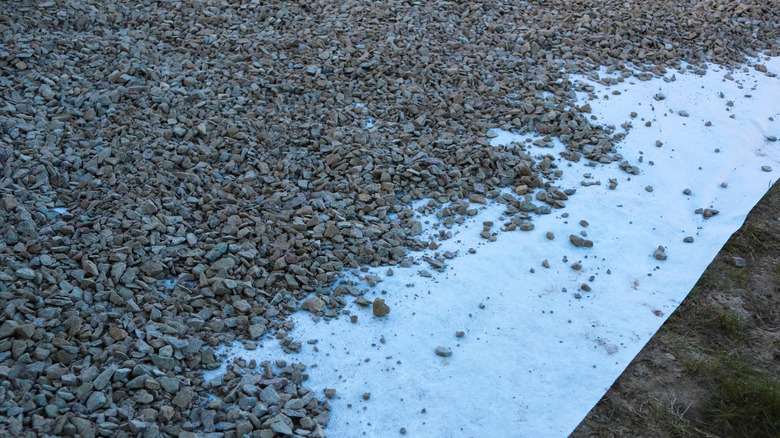
If these methods don't work, you could also consider reworking the driveway. First, move the existing gravel off the drive. Then, grab some landscape fabric to keep weeds at bay and lay that down over the bare soil. Finally, place the gravel back over the fabric, making sure the gravel is around half a foot deep to make it harder for weed seeds to access the ground. With your added layer of landscape fabric, deep-rooted weeds will struggle to push up through, and any weeds that do pop up in future are likely to have shallower roots. You can then hand pull them whenever you see them or use a simple trowel or hoe to rip them up.