

The September Gardening Task That'll Mean Less Work In The Spring
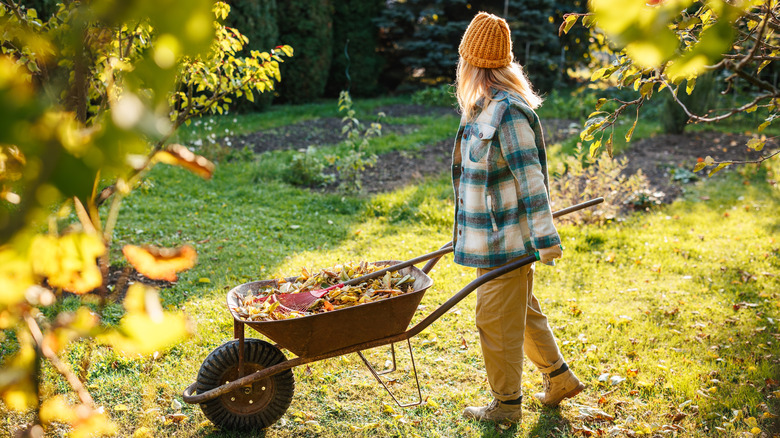
If endless weeks of temperatures in the 100s have you shying away from garden work at the end of summer, by the time September rolls around, you may have thrown in your gardening gloves. But don't forget that fall is a great time to prepare for next spring. Just think of the fresh crops of radishes and lettuce that await you — or those new ornamental poppies you've been dying to try. If you want more flowers and veggies in spring with less work, weeding should be one of the tasks at the top of your fall garden to-do list.
Once the hottest part of the summer is over, you'll want to take time for this gardening task since unwanted cool-season plants are gearing up to take advantage of the milder weather. There are likely already many weed seeds lying in wait in your soil, waiting for the perfect combination of moist soil and cool conditions to transform into seedlings. Those weed seedlings will survive winter and then turn into full-sized flowering plants next spring before you even have time to notice. The good news is that if you take care of them now — depending on where you live — September may be the last month you will need to weed before spring, and then you can make the most of your autumn garden.
Remove these weeds in September for an easier spring garden
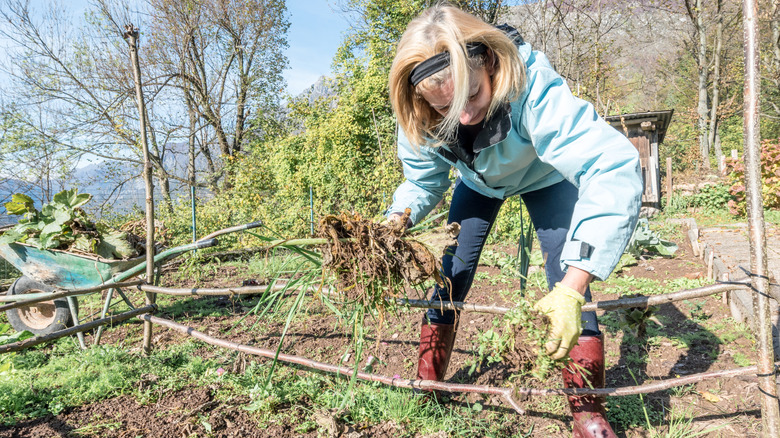
Don't miss the most important weeds to pull in late summer and early fall. Look for unwanted broadleaf plants such as chickweed (Stellaria media), hairy bittercress (Cardamine hirsuta), and purple deadnettle (Lamium purpureum). There are also some weedy grasses to watch for at this time of the year, including wild oat (Avena fatua) and wild barley (Hordeum pusillum). If you miss taking care of this gardening task now, some of these weeds can eventually produce thousands of seeds per plant, and certain weed seeds can remain viable in the soil for years.
There are many different ways to go about weeding in September, but if you want to create a safe space for your family and your local birds and pollinators, it's best to take a herbicide-free approach. You can pull weeds by hand, taking care to remove the roots as well as the foliage. It will be easiest to do this a couple of days after either getting a rainfall or irrigating. Another way to suppress weeds is to apply a layer of mulch over the soil. This can limit the light available to weed seeds and leave you with less work to achieve a tidy garden in the spring. A layer of mulch that's 2 to 3 inches thick is generally recommended.