

Do Heavier And Thicker Lawn Mower Blades Cut Better?
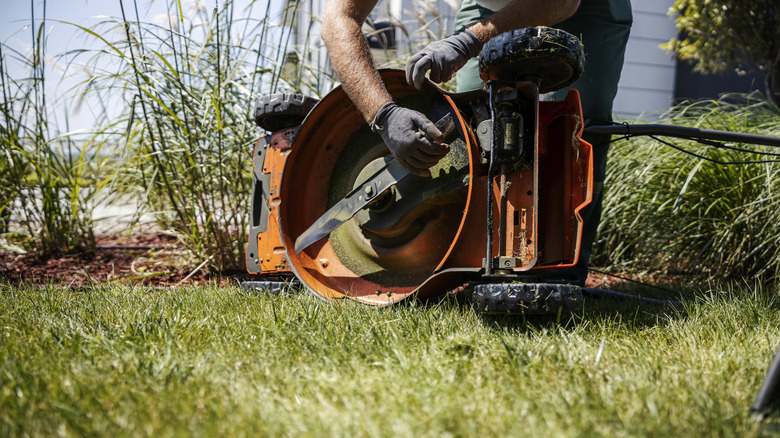
When choosing a lawn mower blade, you might assume that bigger is always better, especially if you have a large yard. In reality, it's not that simple. Thicker, heavier blades do have advantages, particularly for heavy-duty commercial mowers. However, other factors determine a mower's ability to cut grass — and to lift and collect clippings, if your mower is equipped to do so. Generally, a thick and heavy lawn mower blade doesn't necessarily cut grass better than a thinner or lighter one. Not every yard or mower is the same. Choosing the right type of lawn mower blade comes down to your grass conditions and the specifications of the lawn mower you're using, rather than size and weight of the blade alone.
What matters is your mower's ability to handle the blade — namely, the engine's power — as well as matching the blade's weight and thickness to make sure you're using the right lawn mower. Thick, heavy blades are typically designed for commercial-grade mowers and high-powered riding units built to tackle high volumes of long, dense grass. Lawn conditions can also matter, since some blades can kick up a lot of dust and dirt.
The pros and cons of a thicker, heavier mower blade
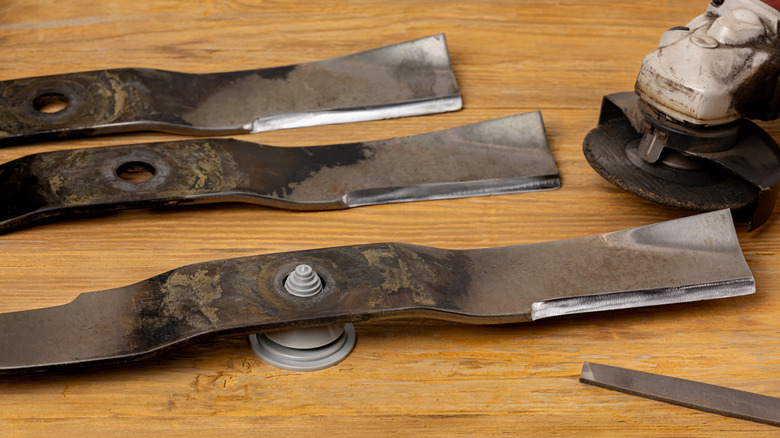
You shouldn't just swap in a big blade and call it a day. Due to their size and weight, heavier blades require a lot of horsepower to run effectively. An underpowered mower equipped with a blade that's too heavy can suffer slowdown, resulting in a rough cut and engine strain.
That said, if your mower can handle it, a thick and heavy blade definitely has some advantages. First, because these blades are built for heavy-duty mowers, they're more durable and longer-lasting than lighter ones. Second, the increased airflow that large blades generate creates a more powerful vacuum effect, also called "lift." This helps to raise the grass while cutting and more efficiently suck up the clippings. While there are benefits to leaving grass clippings on your lawn after mowing, a high-lift blade can help bagged mowers collect cut grass.
You may not want or need a high-lift blade, however. Although it will stand the grass up straight and collect clippings more effectively, a high-lift blade will also pull up more dirt and debris and is not ideal for all lawns. Standard blades are generally medium-lift, meaning they generate enough airflow to cut the grass and spit it out the side of the mower. Low-lift blades generate even less airflow and are useful for drier climates where you want to avoid kicking up (and sucking up) too much dust and dirt.