

Say Goodbye To Ticks — There's A Liquid Solution That Keeps Them At Bay
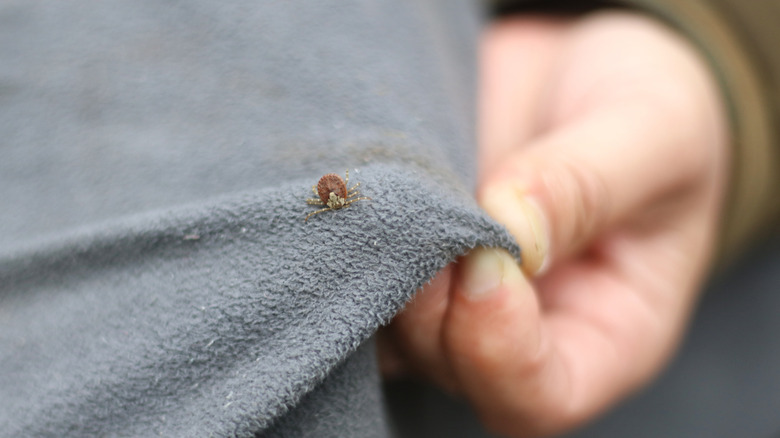
Bugs are not always something you want in your yard. Some are annoying, and others destroy your garden. However, there are a few that can be dangerous if they manage to bite you, your family, or any pets. Ticks are one such example, since they can spread several diseases. There are plants to keep ticks out of the yard, but they aren't always as effective as you may want. Thankfully, if you're looking for a simple liquid solution that can get rid of them, there is an option for you. Known as Cyzmic CS, this insecticide is a powerful tool against pests like ticks. It doesn't just kill one problem in your yard, though. It's a broad-spectrum insect killer that also helps keep many other bugs at bay, including cockroaches, ants, spiders, flies, fleas, and mosquitoes at all stages of a pest's life cycle.
The main ingredient of Cyzmic CS is just under 10 percent Lambda-cyhalothrin. It's allowed in every state, though in New York and New Hampshire it is restricted. It's an already-known chemical to fight pests. Because of the microcapsules in Cyzmic CS, the chemical releases slowly. This means you can spray it outside and know that you're set for a while without needing reapplication. Generally, it's recommended to reapply every 21 to 30 days, but some people say it lasted for months at a time. It can be used along the edges of your property, around your plants, and even inside.
How to use Cyzmic CS in and around your home to fight ticks
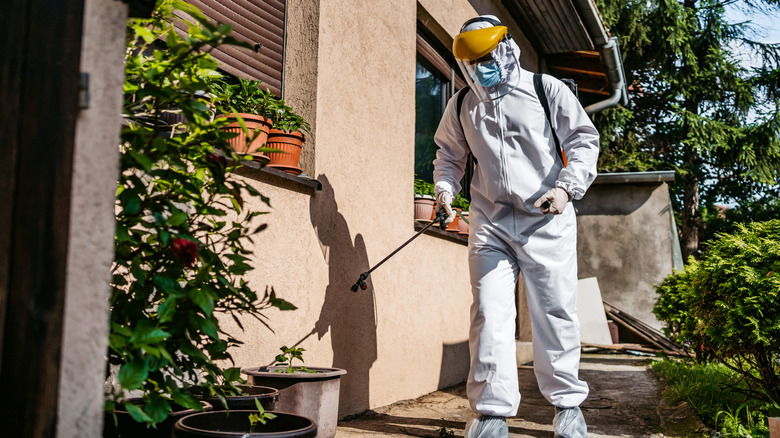
The best time to use this product is when there is no wind and rain is not predicted 24 hours before or after you're planning to spray your yard. You also want to wear clothes that fully cover your skin. This includes close-toed shoes, socks, full pants, gloves, and a long-sleeved shirt. Then, follow the instructions provided on how to mix the solution with water to get the right concentration. This should be somewhere between 0.2 and 0.8 ounces of the chemical to a gallon of water.
For foundation spraying, do a thin layer 3 feet up both the wall and on the ground away from your home. You can also spray around entrances, such as vents, windows, and doors. Avoid using this mix on concrete and materials that can't absorb liquids. Additionally, stay away from water, including wells, storm drains, and ponds. Don't let children and pets near the treated areas until the liquid has fully dried.
In New York, there are regulations for using Cyzmic CS. The guidelines include not using it around feeding equipment and keeping clear of water sources. It's also suggested that anyone not using the pesticide should stay back at least 33 feet. While these are not regulations everywhere, they are a good practice to follow, as they keep you and local animals as safe as possible.
What to know before using Cyzmic CS to keep ticks away
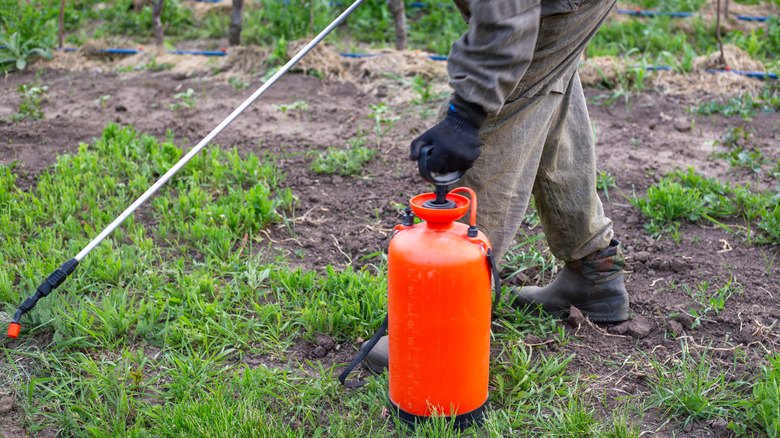
While this is an effective product, it may be a little too good at what it does. Unfortunately, it doesn't only target problem pests. Beneficial pollinators, such as bees, can also die from this chemical and its residue. It has been shown to be harmful to mammals and aquatic life as well, especially while wet. Because of the dangers it poses, there are some recommendations and requirements when you use the product.
If you get any on your skin, in your eyes, or you ingest or inhale it, you should call poison control right away. If you have pets or small children around, it's best to avoid this product, as any ingestion of the liquid can be very harmful. Though it's safer after it dries, it leaves behind a residue that can still potentially cause harm if a dog or child eats something with the chemical on it. For this reason, you should also avoid spraying it too close to gardens and edible plants.
Additionally, though Cyzmic CS says it can be used indoors, you shouldn't necessarily be spraying the inside of your house to manage pests, as it can release toxins into an enclosed space that harm you over time. If you've decided this product may not be for your home and garden, there are alternatives. For example, exterminators say their favorite organic pesticides include pyrethrins and insect growth regulators, so both are good options.