

Forget Kitchen Scraps: Plant This Easy-Growing Legume To Enrich Soil Before The Cold Arrives
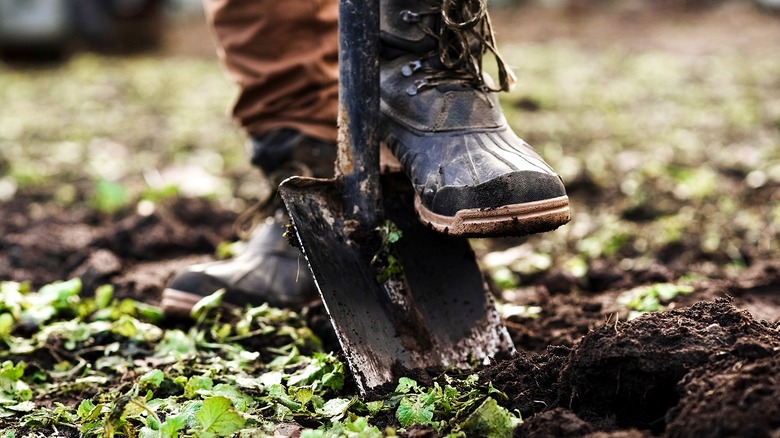
While it's tempting to sit back and enjoy the fruits (or the vegetables) of your labor during fall, it's actually an important season to prepare your garden for success next year. For some, this involves sowing various cover crops that help suppress weeds in the garden. You can also prep garden beds for winter by covering the soil with shredded leaf mulch or compost. For the cover-crop approach, one easy-to-grow legume that can enrich your soil, while at the same time prevent weeds, is berseem clover (Trifolium alexandrinum).
Also known as Egyptian clover due to its Mediterranean origins, berseem clover can grow in your garden as a summer annual or a winter annual, depending on the zone. Zones with colder temps in the winter will cause the crop to winter-kill, or die naturally over the winter months and become part of the soil. In the warmer zones, meanwhile, once spring arrives, you can dig up any surviving berseem clover and blend them into the garden soil yourself.
Either way, as a nitrogen-fixer, berseem clover can act as nutrient-rich "green manure" for your soil. What's more, this annual legume generally doesn't self-seed, so it won't reestablish, leaving your garden beds free for growing fruits and/or planting vegetables in the spring.
How to use berseem clover to enrich your garden
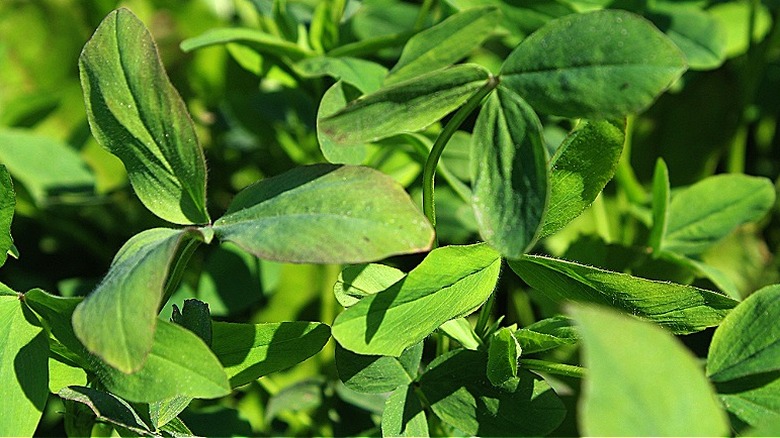
To get the best coverage, berseem clover needs to be sown in late summer or early fall while the soil is still warm. Sprinkle the seeds evenly across your cleared soil and lightly tamp them down, then cover them with one-half inch to 1 inch of soil. Light, loamy soils result in thicker clover growth that's better at suppressing weeds, so you may want to sow more if you have hard or heavy soil.
Water berseem clover regularly (two or three times a week) while the crop gets established and continue to water occasionally if you have dry winters. Berseem clover is a quick-growing cover crop that will reach maturity in about 60 days. Other than watering, it needs little maintenance.
Berseem clover is the least cold-hardy of cultivated clovers, so if you want a cover crop that will last all the way until spring, it should only be planted in regions where soil temperature stay above 43 degrees. However, if you live in an area affected by freezing soils and frost, planting berseem clover can be a strategic choice, one that lets you skip having to mow and dig up the clover in the spring due to the crop getting winter-killed.
That said, if you have cold winters but want to reap all the benefits of berseem clover's full winter-annual growing season, look for a frost-resistant cultivar like 'Bigbee' or 'Multicut.' (Also, read about chickpea, another easy-to-grow cover crop that can enrich your soil.)