

When Are Brown Recluse Spiders Most Active?
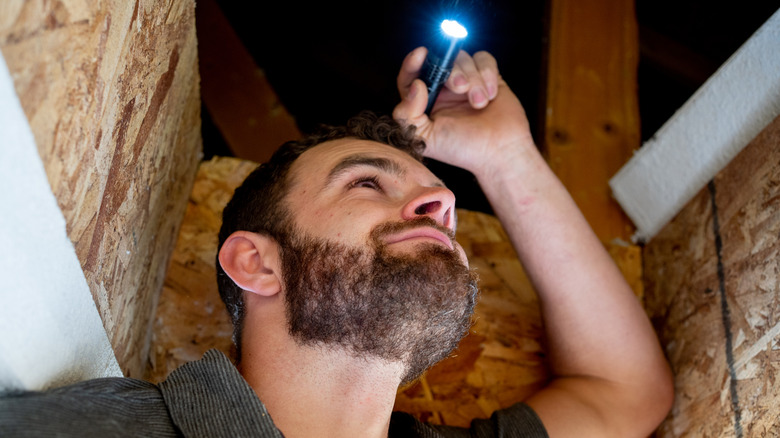
Nobody likes finding a spider in their home, but some are definitely worse than others. The brown recluse ranks among the least welcome eight-legged houseguests. Unfortunately, these small arachnids are common throughout the central and southern United States. If you live in an area where brown recluses are common, you're most likely to see them during the warmer months. According to researchers at Kansas State University, March through October is peak brown recluse season (via Phys.org). That said, it doesn't hurt to stay vigilant year-round, and you can take steps to protect your home from these potentially dangerous pests.
Despite their unassuming appearance and small size, the brown recluse is one of the most venomous spiders in the U.S., though its venom is generally less deadly than the black widow's. Even so, the spider carries a necrotic poison that, in rare cases, can cause serious tissue damage and lead to long-lasting infections. Worse still, identifying dangerous brown recluse spiders at a glance can be difficult because they closely resemble other house spider species.
When (and where) to look out for brown recluse spiders
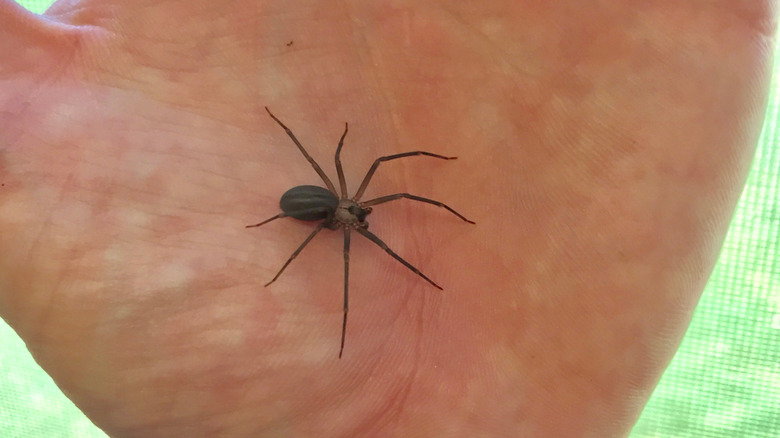
From March through October, when the weather is warmer, these arachnids, like many other bugs, are on the move as they become more active in response to heat and natural light cycles. Brown recluse spider activity peaks in the summer months, increasing the chances of finding one inside your home or on your property. Brown recluse spiders are also nocturnal and come out at night to look for food. That means you're most likely to encounter one during the day if you disturb its hiding or nesting spot.
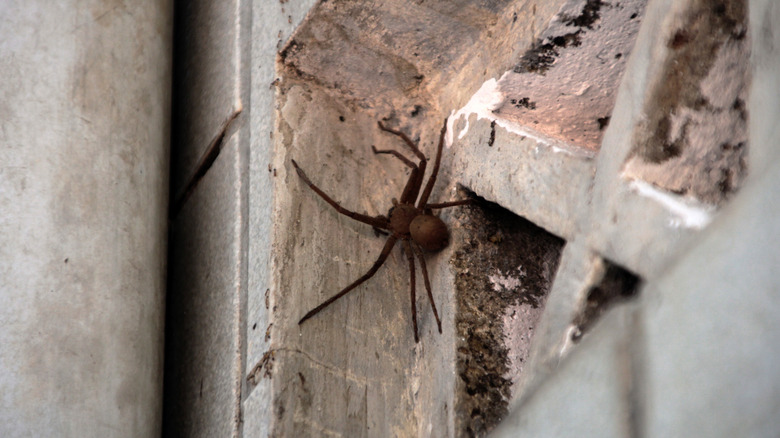
These arachnids also have a wide distribution in the U.S., particularly in the south-central and Midwestern states. Brown recluse spiders prefer dark, dry areas. Basements and utility rooms are common places in the home where they might hide, as are cardboard boxes, attics, crawl spaces, and inside furniture. Their webs are loosely built, unlike the more organized webs of other web-weaving spiders, and they move frequently to hunt.
You may also encounter them outdoors (they're wild animals, after all). Outdoors, brown recluse spiders can hide under rocks, in low-lying vegetation, around logs, and in woodpiles — anywhere that provides safety and shelter for them and their egg sacs. Due to lower temperatures and less light, brown recluses become far less active in the winter, and human encounters at that time are rare.
Tips for avoiding a brown recluse spider bite during active months
While it's useful to know when and where you're most likely to find brown recluse spiders in your home, the main concern is avoiding bites. Regularly inspect potential hiding spaces in the spring and summer when brown recluse spiders are more active. Carefully check under and around objects or debris before moving anything, including clothing, shoes, and even bedsheets. You're only likely to experience a bite if a recluse spider gets trapped against your skin. Common-sense precautions can prevent any nasty eight-legged surprises during spring cleaning and when moving items in and out of storage between seasons.
It's important to exercise caution to avoid bites outside your home, as well. Always keep an eye out in your yard, as well as in sheds and similar spaces, during the spring and summer. An overgrown yard can attract brown recluse spiders, so stay on top of your lawn maintenance through the warmer months by trimming vegetation, keeping some space between it and the sides of your house, and clearing out brush and leaf piles. Check for hitchhikers when removing a piece of wood from the stack.
Finally, brown recluse spiders can multiply quickly during the peak breeding season. A female recluse can lay up to 300 eggs in a single summer. If you've found more than one spider or brown recluse egg sac on your property, DIY solutions might not be effective or fast enough to deal with the problem. Multiple sightings and egg sacs are signs it's time to call a professional. While serious reactions to brown recluse bites are rare, hiring a licensed pest control specialist is worth the peace of mind.