

Is Galvanized Steel Safe For Garden Beds?
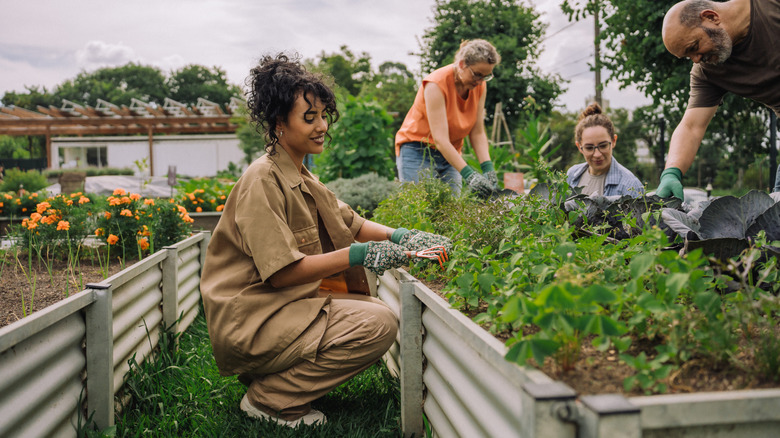
Galvanized steel is among the most popular materials for building raised beds, and for good reason. This material can last for decades. It's certainly more durable than wood, and it can often be bought in handy-sized sheets at big-box stores if you're interested in building your own raised beds. However, one concern that often pops up in the minds of those hoping to start a raised bed garden with galvanized steel is the safety of the coating. The coating contains zinc, which raises the question of whether that zinc will leach into the soil.
The first thing to know is that yes, it might. However, in small amounts, zinc is actually a beneficial — and, indeed, essential — nutrient for soil health. What's more, the amount that will leach into the soil from galvanized steel is negligible under normal growing conditions. This can increase in acidic soils with pH levels of 5 or below, but since garden soils tend to hover at a higher pH than that, it shouldn't be an issue in most raised bed gardens. Not only that, but most garden plants favor soils that are slightly acidic to neutral, with optimal pH ranging between 6 and 7. That means that if your soil is up to muster for your plants, then that zinc is unlikely to leach much at all.
Caveats to using galvanized steel for raised beds
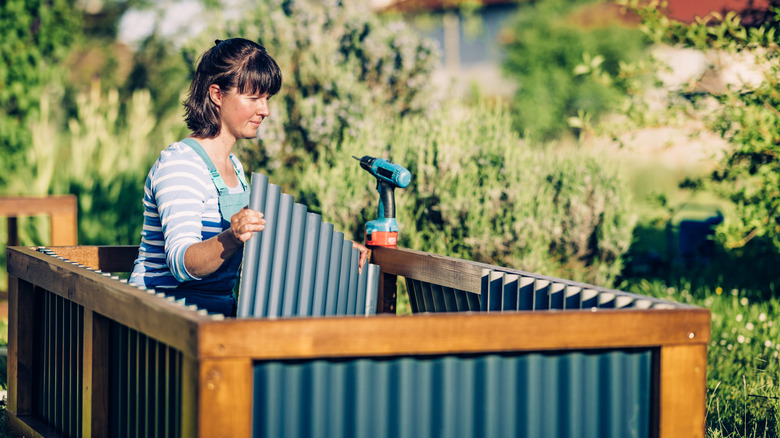
While galvanized steel is safe for most raised bed gardens, there are some situations where it's not the most ideal choice. For example, if you're hoping to harness the power of more acidic soil, then that could result in excessive zinc leaching into your soil. It might be that you're planning to grow blueberries, for example, which like soil with a pH range between 4.8 and 5.2. There are also plenty of colorful flowers that love acidic soil, such as azaleas. In either case, to reduce the potential risks of excess zinc leaching into the soil, it's best to use a liner between the soil and the metal, or avoid galvanized steel altogether.
Another thing to consider is the age of your steel. Even if you're planning to grow plants in fairly neutral soil conditions, older galvanized panels may contain traces of other hazardous materials. Lead, for example, can often be found in the coatings of galvanized steel from 60 or more years ago, since it was once added to the zinc coating to help it adhere better to the steel. And don't forget that even with newer, more safely coated galvanized steel panels, those coatings aren't designed to last forever. If you're recycling panels from elsewhere in your garden and they've been out in the weather for a few years, the coating may well have worn down. If that happens, then the metal beneath could start to rust, leading to structural problems and potentially hazards for those working in the bed. Finally, while pre-fabricated galvanized steel beds can be safe to use (provided the soil isn't too acidic), look for high-quality models that are certified for use in gardening. Some cheap online models also contain lead.