

10 Animals I Love To See In My Garden And 4 I Kill On Sight (As A Holistic Gardener)
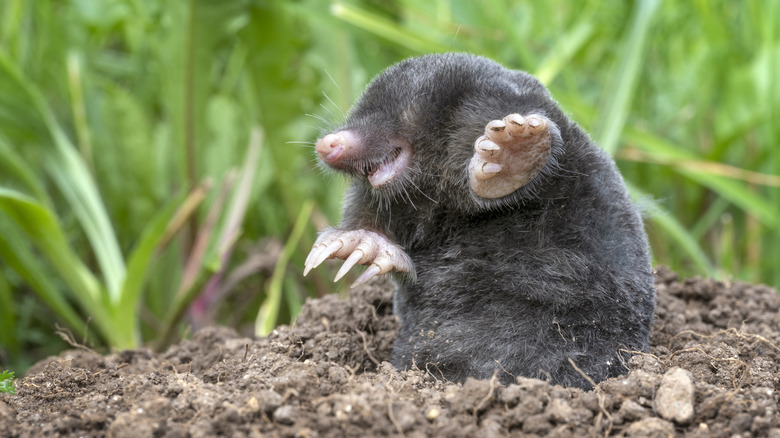
I'm a holistic gardener who's been growing edibles and ornamentals alongside Mother Nature for most of my life, and gardening professionally as a permaculture specialist for the last two decades. Most wildlife that visits my garden gets to stay. I'm generally thrilled when I see any kind of pollinator or predatory insect, as well as moles, toads, ground beetles, and even bats. While you might not like the look of some of these creatures or you may be wary of their ability to bite or sting, they all perform an important job within your garden's little ecosystem.
Instead of immediately jumping for the nearest pest control solution, whenever you spot something you don't recognize or like, learn about them and find out how they actually benefit your garden. If you just blindly kill everything in sight, your garden will be sterile and unhealthy. It needs the pollinators, the decomposers, the predators, and the prey — all of the slightly odd creatures that visit. Don't panic over a little nibbling on the edges of leaves or a slightly untidy molehill or two in the lawn or the beds. While it might be a annoying, these kinds of things are utterly harmless and are just signs of an active, healthy garden. While most of your garden visitors are essentially harmless, or even perhaps helpful, there are a few invasive species that are genuinely destructive that you should kill or evict as soon as possible.
Bees are invaluable pollinators
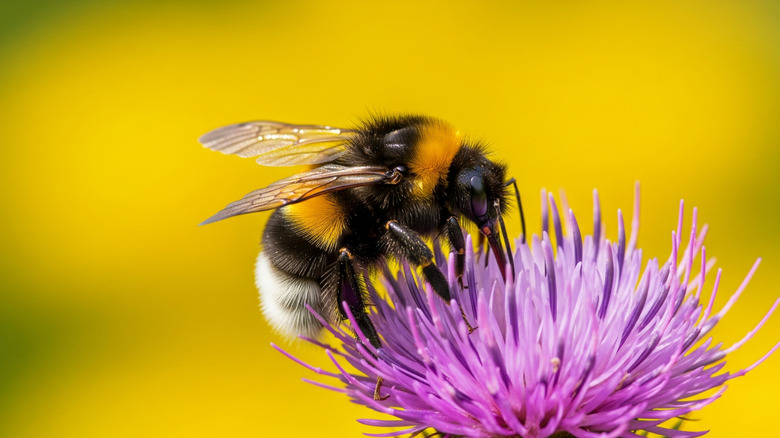
I love seeing bees work their way around my flowers, and it's not just a big fuzzy bumble bee either. Honey bees and other insects like hover flies are just as useful as pollinators. If I'm going outside to do some work on a particular area and I find the flowers there are buzzing with pollinator activity, I go away and come back later. I want as many pollinators in my garden as it can support. Remember that animal pollination is responsible for producing approximately one-third of your food. The more pollinators we all encourage to our gardens, the better. Even if you don't grow lots of edible plants, it's still worth attracting the pollinators to support the wider insect population.
I suggest to everybody make their gardens pollinator-friendly. Grow a good mixture of flowers that give you blooms from spring through to late fall, so that you provide food for the pollinators all the way through the growing season. Plus, of course, you get a much more interesting garden that stays beautiful, colorful, and energetic throughout the growing season, rather than just getting one big seasonal display in mid-summer and then everything dying off. If you are gardening for pollinators, then plant some herbs. Bees love them, and woody herbs especially tend to be fairly robust and low-maintenance. Obviously avoid broad-spectrum insecticides, an preferably avoid insecticides completely unless there's no other option to clear up a particularly problematic infestation. Even if you've only got a relatively small urban space, you can still support a surprisingly large number of beneficial bee and other pollinator species without too much difficulty. You get the added benefit of the beautiful sight and scent of the flowers you grow to attract the pollinators. You may even be lucky enough to get some close-up photos of a fluffy bumble bee butt while its head is busy inside a flower.
Moles do much more than just make mole hills in your lawn
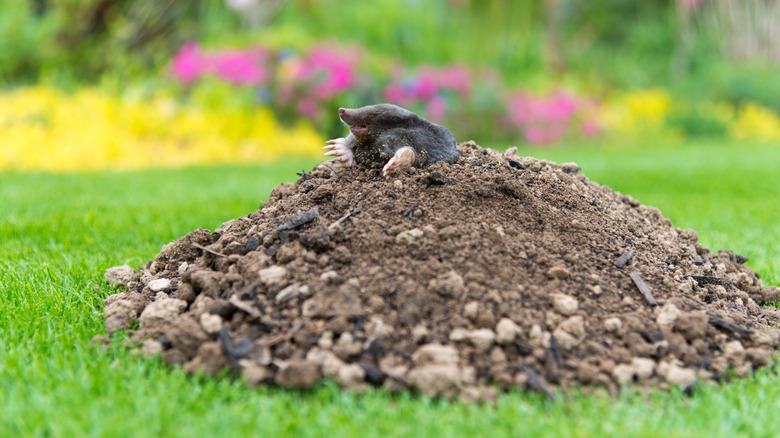
Many people take issue with the fact that moles can create hills of soil in the middle of their lawns and can eventually leave a lawn or a border bumpy. But I advocate leaving moles to get on with things, rather than trying to kill or capture them. The damage really isn't that bad. Moles are tunneling through the soil after invertebrates like beetle larvae and other soil-dwelling insects that could damage your plant roots and the plants themselves. An unexpected benefit of having moles in your garden is their impressive tunneling also aerates the soil beautifully and helps improve soil structure.
It is true, however, that moles also eat earthworms, which are actually your garden allies, and their tunnels do also sometimes disturb the more shallow-rooted plants, especially if they're not established yet. On the other hand, moles don't generally chew through your plant roots like pesky voles, nor do they eat plants above the ground. A few mole hills really aren't that problematic. You can just redistribute the soil that they push out onto the surface somewhere more useful, and then flatten what remains. I have a friend who goes out to forage freshly turned soil from mole hills and spread it on his beds, and he really does have a fantastic, healthy garden.
Toads are useful slug eaters
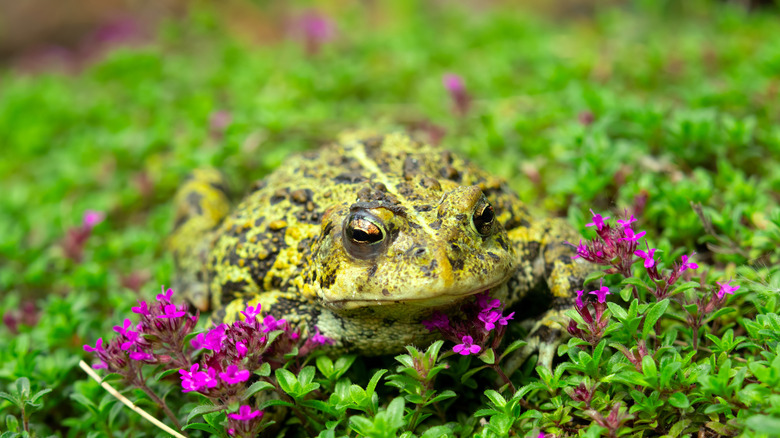
I like toads. They have a bit of a bad reputation as being noisy or slimy, but they really don't want human contact and they don't cause many issues in the garden. I have a few shady, untidy spots in my garden that I leave for wildlife visitors and residents, including toads. I make sure these pockets have plenty of leaf litter, decaying logs, and other organic debris, so that it is relatively damp and welcoming for those creatures that like somewhere to hide up.
Toads are free pest control. They eat fairly large quantities of slugs, insects, and small invertebrates. It makes sense to create a welcoming habitat for them in an out-of-the-way area that I don't mind being a little wild. Yes, they look somewhat odd, and their vocalizations are interesting, but that's okay. The toads probably think the same about you when you're trying to sing all the harmonies in "Bohemian Rhapsody" while hanging out the laundry. I don't mess with them, and they help keep the number of slugs and other pests down.
Garter snakes are slithering pest controllers
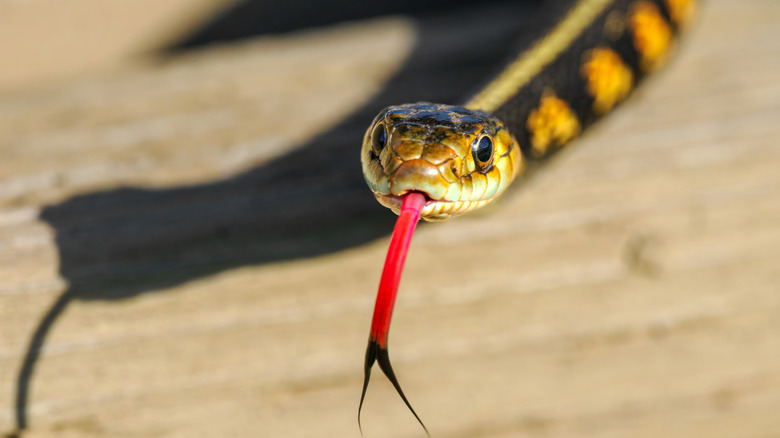
Understandably, many people are terrified of snakes, and so immediately panic when they see one in the garden. But garter snakes aren't venomous and they really just want to get away from humans. These snakes are really useful predators, eating slugs and other small invertebrates that would otherwise damage your plants. Just like toads, garter snakes are free labor when it comes to pest control. You may find these in the same wild kind of area as toads, too. They like dark, damp logs and rocks, as well as dense ground cover so they appreciate an area with plenty of hiding places that doesn't get much human traffic.
Garter snakes are fairly opportunistic feeders, and depending on the species and size of the snake, they can eat earthworms, slugs, snails, frogs, toads, toads, salamanders, insects, small rodents, and other small vertebrates. So, if you happen to see one slipping through your garden beds, just leave it alone to do its thing, as it's actively helping you and is part of a functioning food web in your garden.
Ground beetles feed on insects and invertebrates
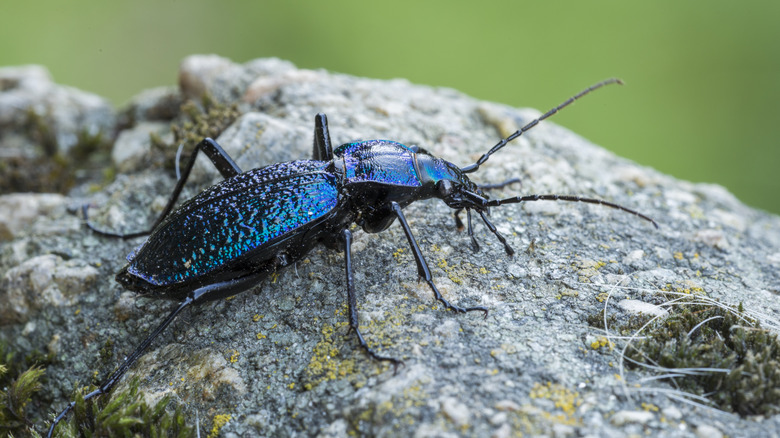
Ground beetles give lots of people a bad case of the heebie-jeebies. They are usually big, black, and glossy, and they move quickly if you disturb them. While most of us are primed to be wary of all manner of creepy crawlies, ground beetles are valuable garden allies, and I'm always pleased to see them. They are generally nocturnal, so they hide up during the day in dark cool spots and spend their nights feeding on all manner of insects, larvae, slugs, and other small prey.
Interestingly, ground beetle larvae are predators in their own right, and they too will forage for pests that would otherwise be attacking my plants. Again, the wild areas in my garden serve as permanent hiding places for little creatures like ground beetles. I'd much rather see some of these guys scurrying about than an endless procession of slugs and other insect pests.
Parasitic and predatory wasps are brilliant pest controllers
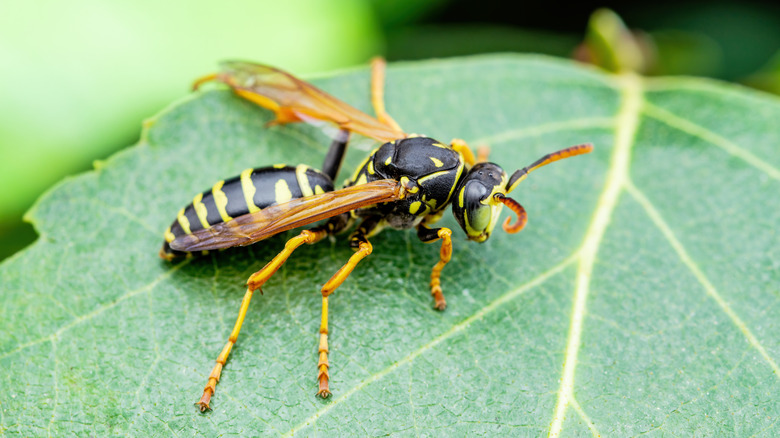
Wasps are something that most of us are taught to fear from a very young age. We learn that they're mean, that they sting, and even that they'll chase you, but that's not actually true. Even the notorious yellow jacket serves a purpose. There are loads of species of wasps, and in the garden, the parasitic and predatory varieties are fantastic at controlling all manner of pests. Every insect species has two or more parasitoid wasp species that target it.
Some parasitic wasps are one of the best allies in your fight against tomato hornworms. These caterpillars are enormous and are voracious eaters that will strip a nightshade (like tomatoes or potatoes) of foliage in alarmingly short order. If you've ever seen a tomato hornworm that looks like it's got grains of rice on its back, it's been visited and parasitized by one of these wasps. Those grains of rice you see are the cocoons of its young, which have already caused irreversible damage to the hornworm and are getting ready to emerge and go on to parasitize even more of the pesky caterpillars. So you can see that not all wasps are furious little picnic terrorists.
Lace wings and ladybugs devour aphids
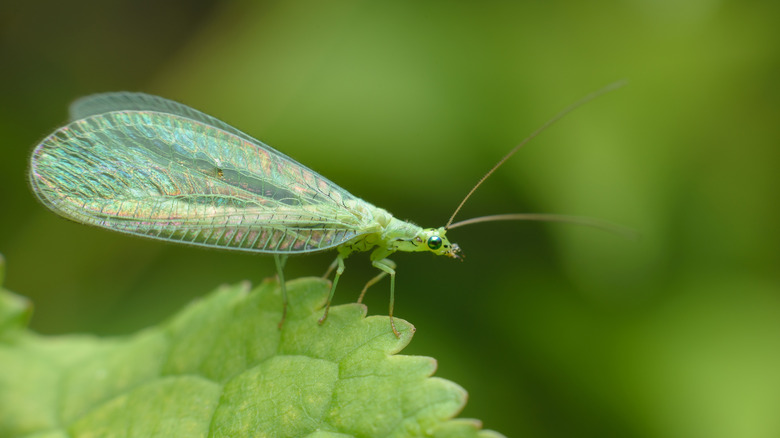
Having an abundance of lacewings and ladybugs in the garden means I have far fewer aphids. Interestingly, adult lacewings don't eat aphids, instead preferring nectar, pollen, and honeydew. Their larvae, however, are colloquially known as aphid lions, because they heavily prey upon aphids and consume vast numbers of them while they're in their immature state. With ladybugs, both the larval and adult stages devour the little winged pests.
It's true that you can buy batches of ladybugs and lacewing larvae. However, if you don't have a garden that attracts beneficial insects like lacewings and ladybirds to begin with, any that you buy will quickly just fly away. If you want to buy and encourage them to stay, or you want to attract them naturally, you need to plant up your garden to attract beneficial insects and stop using chemicals that can harm them. They are incredibly useful, as a single lacewing larva can eat up to 200 aphids in just a week.
Bats consume huge numbers of insects
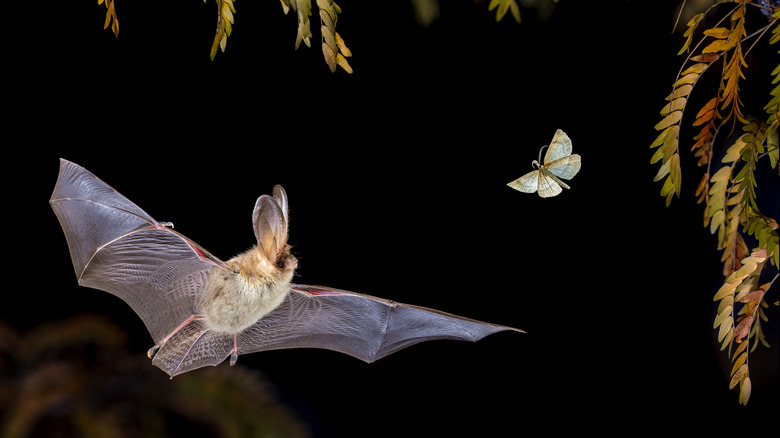
Watching bats flit through the sky at dusk has fascinated me since I was a little kid, and I would throw small stones up in the air to lure them closer before I knew any better. These much-maligned creatures are pretty astonishing and are exceptionally useful for the gardener and the typical homeowner, because they consume a huge number of night-flying insects. Different bat species prey on all kinds of insects, including moths, beetles, midges, and dreaded mosquitoes.
Obviously, a small colony of bats, even if they are a mosquito-eating species, is unlikely to keep your garden completely free of those flying buzzing pests, but bats are an important part of the food web. They are valuable creatures that we should encourage, rather than try to harm. If you want to attract bats to your yard for free insect control, consider installing a bat house in the right kind of location and think about making your outdoor lighting more wildlife-friendly.
Opossums help control the numbers of insects, invertebrates, and small animals
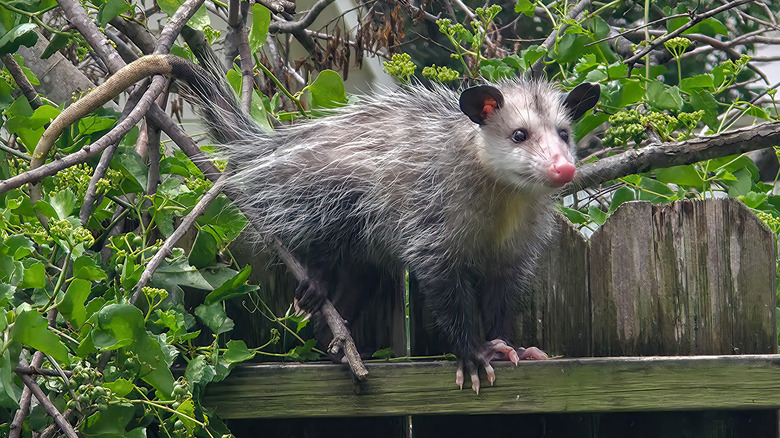
Opossums are really interesting creatures, although they are not the amazing voracious tick controllers that much of the internet would have you believe. They do eat ticks, along with a whole host of other things, as they are opportunistic omnivores, so they'll eat insects, snails, and small animals.
While I wouldn't particularly encourage opossums to stay around my house, healthy animals are welcome to forage for tasty snacks as they wander through. I don't, however, recommend that you intentionally feed them, because opossums are wild animals and they shouldn't become dependent on or too accustomed to people, and you don't want them raiding your bins either. You can make your garden welcoming and supportive of wild life naturally, rather than artificially intervening or leaving food out for creatures like opossums that are more than capable of finding their own.
Earthworms are critical to soil health
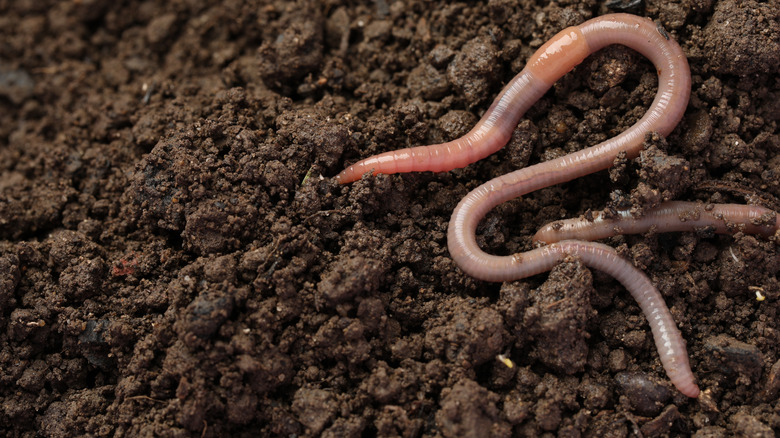
I don't really understand why people are so grossed out by earthworms. They don't move quickly, you don't see them that often, they don't bite, and they don't even leave mucus trails like mollusks. Whenever you move soil in a cultivated bed and find earthworms in large numbers, you should be thrilled, not repulsed.
Earthworms are one of the most important creatures for soil structure and health. They burrow, which creates channels for air, water, and plant roots, and when they feed and poop, they break down organic matter and cycle the nutrients through the soil. Yes, there are good worms and bad worms, and knowing the difference tells you whether to leave them alone or remove them. But regular run-of-the-mill earthworms are your best friends for soil structure, and you can never have too many. Having too few earthworms is an indicator that something is wrong with the state of your soil.
Hammerhead worms are an invasive pest that eat earthworms
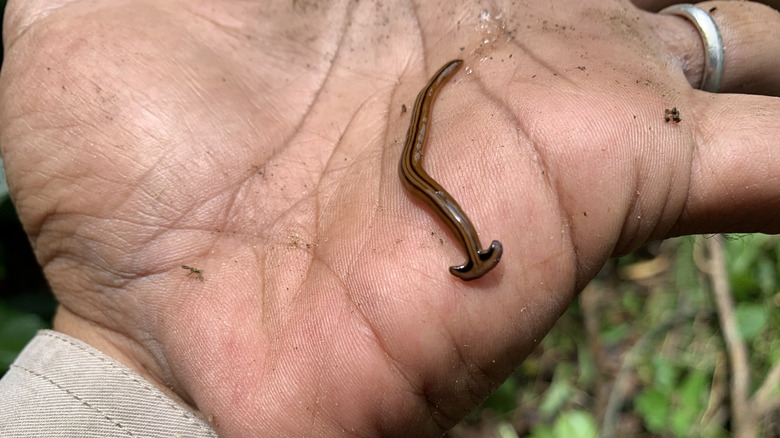
Hammerhead worms don't even have to do anything, they just have to be present for me to kill them. These worms are strange-looking creatures, slightly flat and with a distinctive broadened head like a hammerhead shark. They prey on beneficial earthworms. Add to that the fact that they are invasive in the U.S. and that is more than enough reason to kill the blighters. Don't touch them with your bare hands, as their mucus contains tetrodotoxin. Although this neurotoxin isn't lethal to humans, it will irritate your skin. It can also make your pets very unwell.
You probably heard the story about how if you chop a worm into pieces it will regrow as a kid. In most cases, that's a myth. Unfortunately with hammerhead worms, they do actually regenerate from fragments. Even though I eradicate them whenever I see them, I also admire this astonishing regenerative ability. Whatever you do, don't cut one into pieces trying to kill it, because all you'll do is create more. Your best option is to use a container with salt or vinegar inside and drop the worms into that. You can also pop them in bags and seal them in the freezer, then stick them in the garbage for disposal.
Jumping worms are invasive and deplete soil
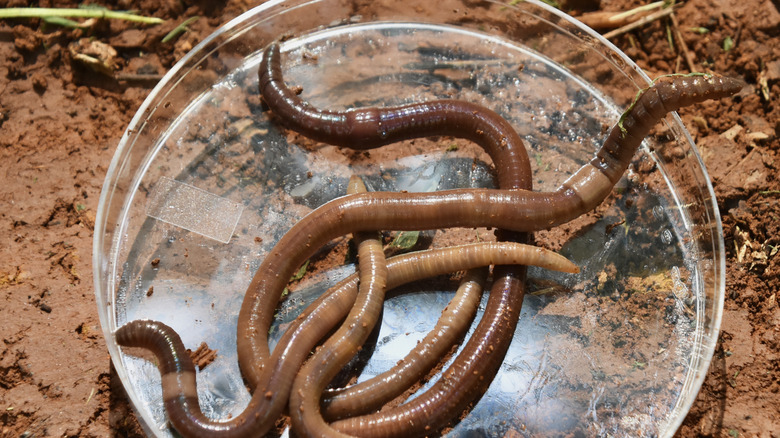
Another invasive worm that I happily get rid of is the jumping worm. These odd jumping creatures live close to the soil surface, and while they don't prey on earthworms, they consume organic material in such vast quantities and leave behind odd granular castings or worm poop. The soil can become less structured and depleted of the organic layer that your plants desperately need.
You'll know you're dealing with a jumping worm if you disturb one and it thrashes energetically. They grow to about 5 inches long and can break off tail segments to escape your grasp, so you'll need to handle them quickly and firmly. Again, these worms need to be picked out of the soil and either frozen in a trash bag in the freezer or submerged in a container of vinegar or salt, which is really quite gross, but it's very effective.
Mosquitoes are irritating and can spread disease
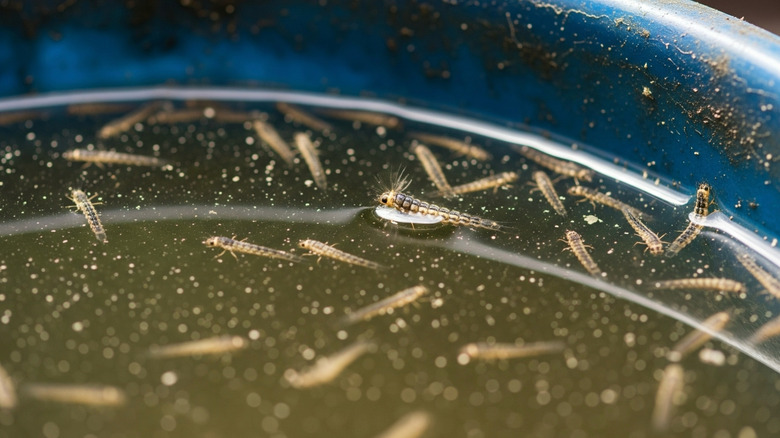
Mosquitoes get no mercy from me. They are, in my opinion, nothing more than an annoyance that detracts from everybody's enjoyment of the yard — even the pets. I do what I can to deter them and I swat any I see. One of the easiest solutions to control mosquitoes is to remove standing water or keep it covered and sealed. I don't want these little disease carriers breeding anywhere on my property, particularly as I react quite badly to their bites.
The thing with mosquitoes is that they can breed in a very small amount of water. They don't need a pond or a huge rain barrel. They can breed in just a half-empty saucer. For any water that I can't just dump out, like my rain barrels, I use bacillus thuringiensis israelensis, or BTI. This is a bacterium that targets mosquito larvae and the larval stage of a few other fly species. It's very effective and carries no risk when I use the water in the garden. I also grow lots of aromatic herbs like rosemary and sage to deter adult mosquitoes from visiting.
Slugs may need control when their numbers get out of hand
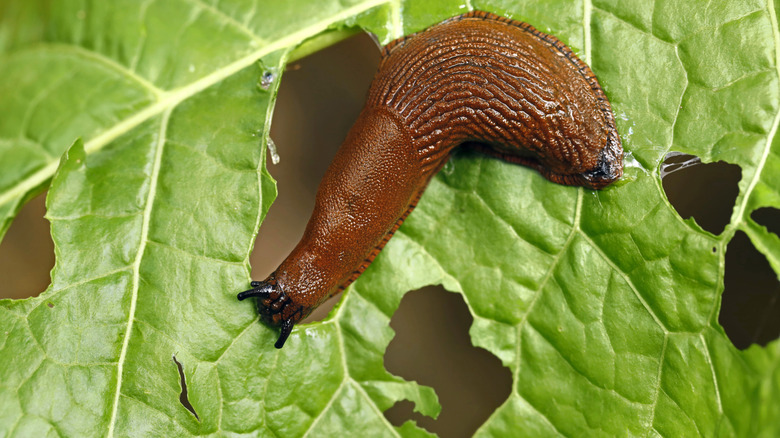
There's no need to immediately execute every slug that you find. These little mollusks may annoyingly chomp on your plants, but they also play an important role in the garden as decomposers and as prey for other animals. Even though they leave slime trails and use some of your plants as an all-you-can-eat buffet, I don't recommend you try and kill every slug there is. Please never use slug pellets, as they can harm so many other creatures, including your own pets.
To try and limit an excessive invasion of slugs, I try to make parts of my garden less hospitable. If I'm growing plants that are particularly vulnerable to slugs, such as leafy greens, then I grow them in a drier part of the garden where slugs are less likely to visit, for example. Other natural organic slug control methods include simple changes like reducing daytime hiding spots near vulnerable plants and not watering vulnerable plants, including seedlings, during the evening. This leaves them and the ground around them wet all night, and invites slugs to dine. If, however, their numbers do become excessive, then I will make beer traps, and I'll also go out after dark with a head torch and hand-pick them, which is a little disgusting, but it's effective.