

Hardier Than Mums: The Fragrant, Flowering Perennial That Thrives In Shaded Raised Garden Beds
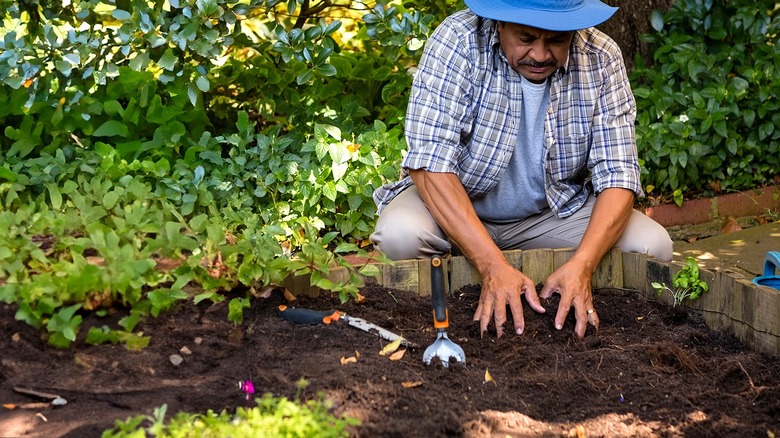
When it comes to cultivating vibrant, eye-catching flower gardens that can last from summer into fall, mums (Chrysanthemum spp.) are often a top contender. However, for those shaded raised garden beds in your backyard, mums can often fail to thrive since they do best in full sun or partial shade. Fortunately, there's a fragrant, flowering perennial with a similar blooming cycle, but one that also happens to be a total shade-lover: hardy begonia.
Hardy begonias (Begonia grandis) are a popular alternative to mums in the garden. They're native to China and Japan, and they bloom with pink flowers that look as good as they smell. They're fairly large as well (hence the name "grandis" or large in Latin), growing up to 3 feet tall and 2 feet wide. Hardy begonias begin blooming around July, and their flowers can last all the way through October.
Although hardy begonias are relatively medium-maintenance plants, deadheading them during their long blooming season can help you achieve the maximum amount of showy flowers. They also grow well in containers and small spaces, which means that they're perfect for adding a splash of color to a raised garden bed.
How to grow hardy begonia
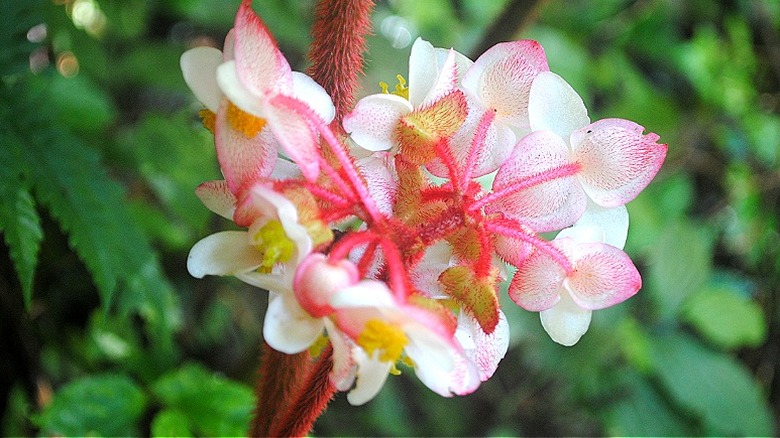
Shade-lover isn't an understatement when it comes to this flower. Hardy begonia can grow in most shaded conditions. This includes common low-light spots, like those areas of your yard that receive partial shade, but also dappled sunlight and even deep shade. As a result, if you've got a spot where seemingly nothing will grow due to little sunlight throughout the day, hardy begonia can be a top choice for a healthy, thriving shade garden. What's more, by finding the perfect plant (i.e., hardy begonia) for those shady spots, you can make the most of a small backyard by ensuring no square foot goes underutilized regardless of sun exposure.
One of the main things to keep in mind when growing hardy begonia is that it prefers moist soil, up to the point it tolerates occasionally wet conditions. Raised beds have a tendency to dry out faster than direct landscaping, especially because you may have this summer-blooming on display as early in the year as July, when temperatures are on the rise. As a result, while also avoiding alkaline soil, you'll want to avoid letting this plant get too dry in your raised garden bed. On the bright side, the shaded conditions this plant thrives in helps beat some of the heat behind that evaporation.
Hardy begonia is a perennial, just like certain types of mums. This means you can plant them once and enjoy them returning to your garden year after year. However, you'll need to be in the right USDA growing zone to reap this benefit. Hardy begonias are hardy in zones 6 through 9. Depending on the size of your raised garden bed, you may be able to overwinter them indoors outside of this range.