

Plant This Ground Cover In The Fall To Enjoy Berries And Pollinator-Friendly Blooms Next Season
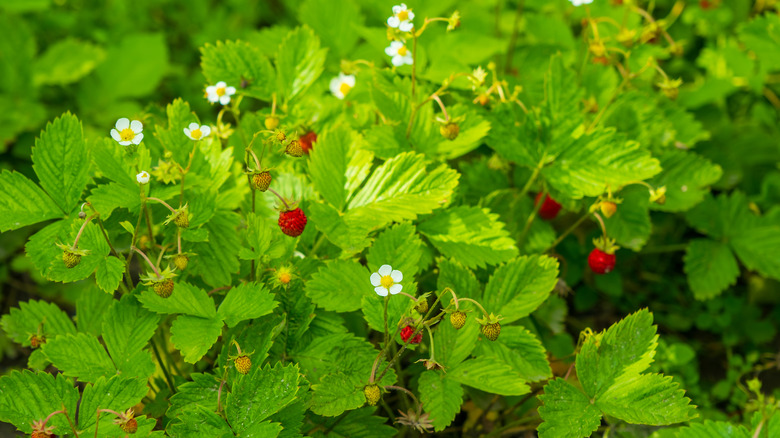
When the weather starts getting cooler, your thoughts may not be in your spring garden. However, while many people may opt to take this time for checking items off their winter garden to-do list, if you want a spring full of pollinator-friendly ground cover, autumn can also be the perfect time to plant. This native perennial produces berries both humans and wildlife can enjoy all while displaying gorgeous showy flowers that over 75 different species of pollinators benefit from.
Also known as scarlett strawberry, wild strawberry (Fragaria virginiana) is native to North America. It blooms throughout the middle of spring with eye-catching white flowers, while its edible, sweet tart fruit arrives in the summer. Pollinators like butterflies, bees, and moths love the flowers, which makes it perfect if you're trying to start your own pollinator garden. Meanwhile, mammals and birds like the summer fruit, keeping your garden lively. And, since you can plant wild strawberries in the fall, this slow season can be a great time to start prepping for your wildlife-friendly spring garden.
Wild strawberry does well as a ground cover that pulls double-duty by supporting wildlife and keeping soil in erosion-prone areas in place. However, keep in mind that it spreads through suckers, and it can be a bit aggressive. As a result, you may want to plant it in a spot where it won't force competition on your other perennials.
How to grow wild strawberry
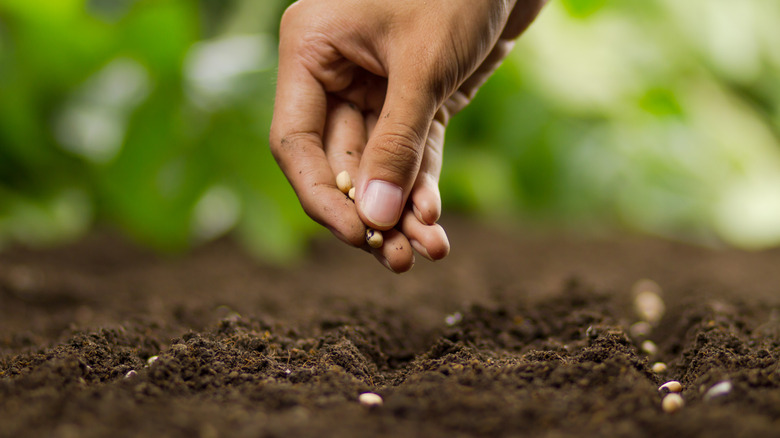
Before covering any of the details of how to care for wild strawberries once they're in bloom next spring, it's best to know the plant specifics. If you opt to plant your wild strawberries during the latter portion of the year, you'll need to leave ample time for the plant to begin establishing itself before frost settles. This means planting it around two weeks before your region's first frost date to ensure that your wild strawberry will be strong enough to handle winter dormancy.
Of course, when you're planning to grow any plant over the winter, it's also important to familiarize yourself with hardiness zones, especially when you're working with a perennial like wild strawberries. This ground cover can be grown in USDA growing zones 3 through 9, giving it a wide range. As far as other care requirements go, this hardy plant holds up well to drought and erosion. As a result, while it does prefer moist soil with good drainage, it can also tolerate the occasional dry spell. Providing the right amount of sunlight is essential for those pollinator-friendly blooms that give way to edible fruit, however. Wild strawberry prefers partial shade or full sun. Because of this, if you're looking to cultivate an edible addition when growing a healthy shade garden, wild strawberries may not be the best choice for low-light areas. Instead, it's ideal for sunny borders and lawns.