

Why Are Cicadas So Noisy?
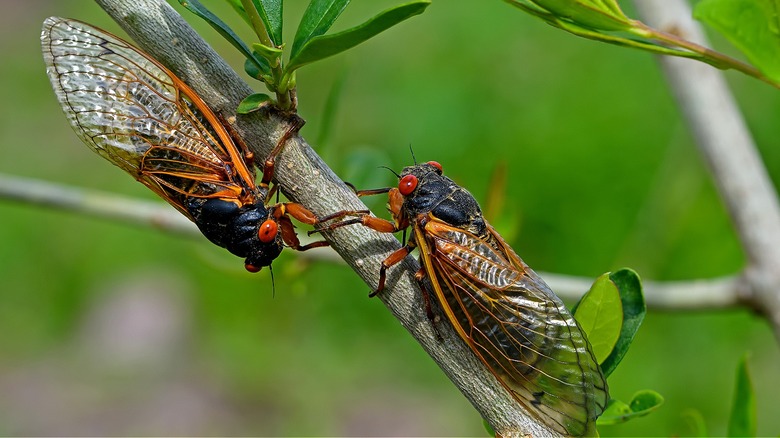
Cicadas are interesting little bugs. They spend many years underground, just to come up for a few weeks to breed. In that time period, they manage to become quite a nuisance. For the most part, these little pests are relatively unproblematic. They don't bite or sting, don't carry diseases that can harm humans, and don't usually destroy gardens. Despite this, they're a huge pest for one singular reason: their song. Male cicadas use their sound to attract mates that could be far away, and their volume helps them be heard for quite a distance and over other sounds.
Unfortunately, this same evolutionary trait also makes them very disliked. Cicadas aren't quiet creatures. In fact, their sound is sometimes described as ear-splitting. It sounds a little like an insect buzz, but it can also almost resemble an electrical hum. Each species releases a slightly different noise, but all are loud. The sound comes from their tymbals. A muscle in their body pulls them open and closed, both of which lead to unique noises. This movement can repeat itself an average of 350 times per second. The rapid motion is what creates their distinct — and annoying — call.
If there's a group of males in one area, the sound can reach over 90 decibels. That's the same level as a tractor, power drill, or a gas-powered lawn mower. If this noise lasts more than eight hours in a day, it can cause hearing damage.
What you can try to do to keep cicadas out of your yard
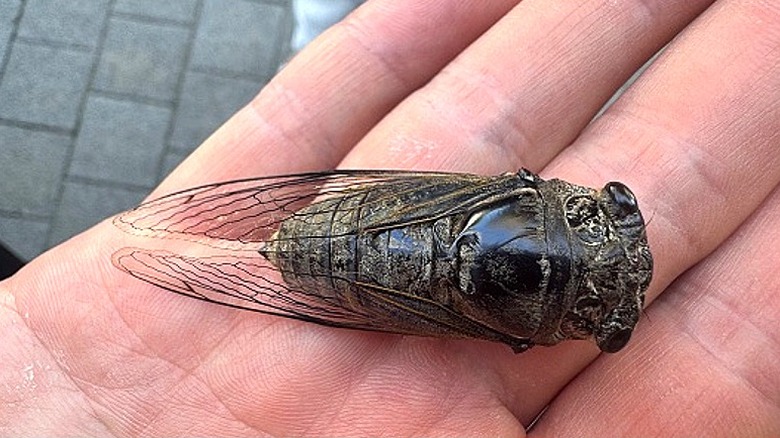
If these insects are driving you to the brink of madness, there are a few things you can try to keep them under control. Unfortunately, it's not always easy to get rid of cicadas. Even if they sound close by, they may actually be farther than you expect. Sometimes, you can hear them up to a half mile away.
Still, it doesn't hurt to try. There are a few simple methods you can give a shot. For example, one of the easy ways to keep cicadas out of your yard is to try to spray them with a garden hose. It doesn't have to be strong, but just enough to get their attention and entice them to find somewhere else to sit. General yard maintenance, like trimming tree branches and covering up roots where they will want to lay their eggs, is also beneficial.
You can attract animals to your yard that eat cicadas as well, such as birds and certain species of wasps. This may encourage the bugs to move somewhere safer, or at least quiet down some so they aren't caught. However, you need to pay attention to signs that the cicada killers in your yard have gone from helpful to harmful, as too many can cause damage. Not to mention, birds aren't exactly quiet, either, and could end up being just as big a disturbance early in the morning.
Living with the noise if the cicadas won't leave your area

Unfortunately, while these methods may help a little, they aren't perfect, and it's unlikely to get rid of all of them. Sometimes, no matter what you do, the cicadas just won't go far enough away that you will be safe from their noisy calls. In some situations, it may be better to try and work with the sound the best you can. Thankfully, these bugs are most active during the when temperatures are warmest during the day, so you won't have to listen to them when you're trying to sleep. Earplugs and noise-canceling headphones can help mute the worst of it.
You may also want to stop doing activities that could be attracting them to your yard. For example, power tools and lawnmowers give off similar vibrations to the bugs. This can cause confusion in nearby groups, which may be what is attracting noisy cicadas to your yard. If you change up your outdoor cleaning times to closer to dawn or dusk, you can reduce how many come to visit, mistaking your tools for potential mates.
And on a culinary note, you could even consider snatching a few cicadas up for a quick bite. There are recipes dedicated to cicadas online, and they can make a fun and daring snack. Thankfully, if these little insects are still driving you insane, you don't have long to wait. When they emerge, they tend to die off in about a month.