

What To Do If You Find Ants In Your Garden Beds
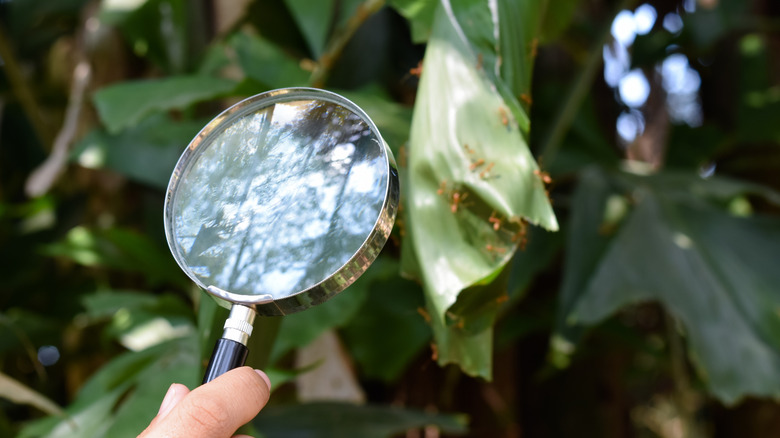
If you're looking to transform drab areas around your yard, garden beds can add both aesthetic appeal and functionality. With the right choice of flowers and foliage, you can inject color and depth to a bland space. Or, if you're trying to be more sustainable, you could try your hand at growing essential garden vegetables. Either way, however, both edible and non-edible plants in your garden beds are susceptible to a variety of threats. Some factors like weather will be out of your control, but there are also pests that can very quickly bring disaster one nibble at a time. For anyone who has dealt with an ant infestation in your garden beds, you'll know how quickly they can take over. Knowing how to deal with a persistent colony can come in handy if you want your garden to thrive. Usually, the answer is simply removing them.
Ants won't devour leaves like a caterpillar will, but when they start to build their colonies in the soil below your flowers or veggies, they can disrupt the soil around the roots. This can negatively impact the growth of your plants. You might also notice aphids and ants wreaking havoc together on your garden. This is because some species of ants and aphids have a symbiotic relationship, where aphids enjoy protection while the ants essentially "farm" them for honeydew. If you're looking to rid your gardens beds of an ant colony, the best solution is to use a physical method or a natural solution to get rid of them. Before you do that, though, you should first identify the specific species, see if they're causing damage, find their nest, and decide on what method to use.
What attracts ants to a garden bed and are what damage can they cause
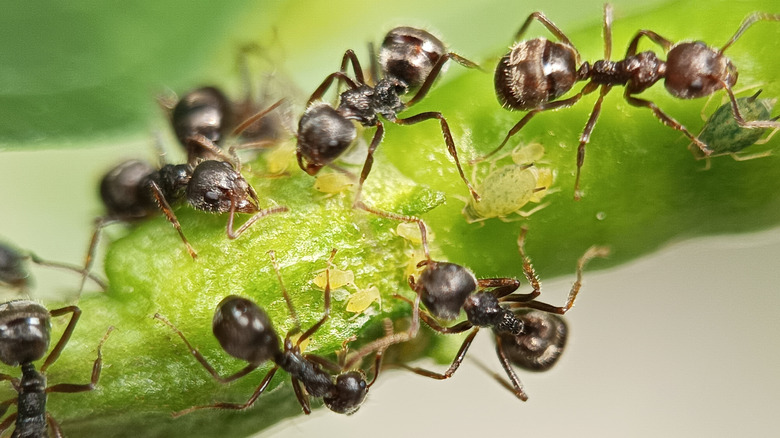
Before you rush out to buy every ant-repellant product on the market, start by considering why they are there in the first place — this may help you get rid of them, or at least understand what you're dealing with. Ants will set up home for a few reasons, which mostly center around the availability of food.They are are also attracted to a space that offers a cosy environment to settle in and grow their colony, like soft soil or mulch, or areas that heat up quickly during the colder times of the year. Just because you have an ant colony doesn't automatically mean damage. Most species are actually good for the soil, improving air and water flow by moving the soil around. There are, however, a few species you should get rid of.
Carpenter ants, for example, will dig into wood. The pavement ant, southern fire ant, and red imported fire ant are known to gnaw into bark and plants. So, first aim to identify the type of ant you're dealing with. Signs that ants are causing damage is plants that are wilting, girdling of stems, or plant roots that look disturbed. There's also the nuisance of biting, which is the case with the leaf cutter ant. If you see any of these signs or notice a few bites here and there, it may be time for the colony to find a new home.
Removing ants from your garden beds with natural products
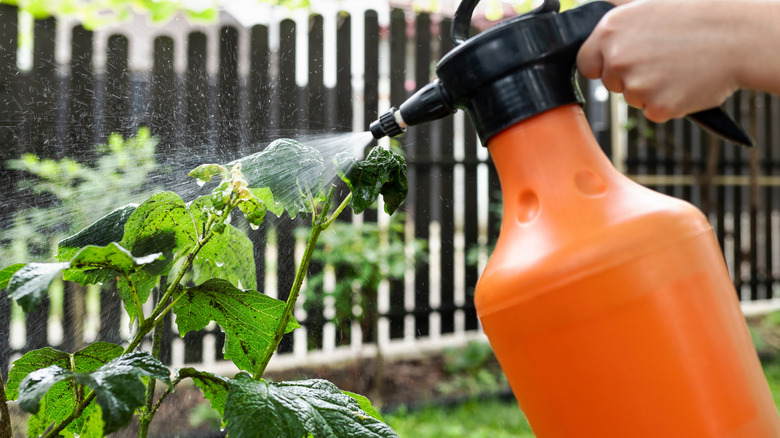
The best solution for an ant problem is to avoid having one in the first place, by deterring them. If you want to use natural products to get rid of ants, those that aren't packed with chemicals, there are a few things lying around your home that you can use. This includes adding black pepper to the garden beds, or other items like peppermint, lemon eucalyptus oil, or vinegar. You can simply choose one and sprinkle these around the plants.
Another non-toxic alternative to get rid of ants in your garden beds is to use something like food-grade diatomaceous earth, which is a natural-occurring powder made from fossilized diatoms (a microscopic, single-celled type of algae). This can kill ants but is also very effective in giving them a good nudge to find a new home. It's recognized as safe for consumption if you're worried about that, although it's always recommended that you consult with your local garden center before purchasing it for a fruit or vegetable garden. Remember that not all ants are bad ants and they can actually be helpful for your garden for reducing pests and aerating the soil. If you find that the more detrimental species have arrived in big numbers and your garden is suffering, it may be time to chase them out.