

Is Plastic Safe To Use For Garden Beds?
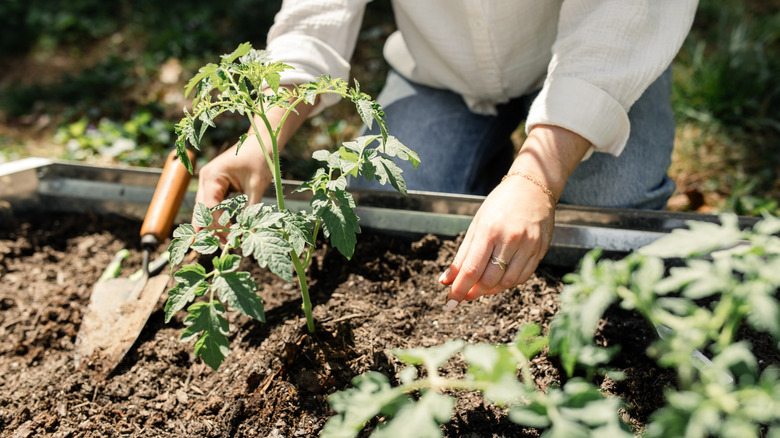
It's not uncommon to see plastic in raised beds, whether it's being used as liner or the bed itself is made from plastic. And it's certainly tempting to opt for a plastic raised bed — plastic won't decay in the same way untreated wood does plus it's much more lightweight and portable. However, if you're planning on creating a flourishing vegetable garden full of tomatoes, lettuce, and herbs and using it for years, pay close attention to the type of plastic you're choosing.
Because sunlight, heat, and weather can gradually degrade plastic, unless you can find what type of plastic the bed is made from, it is not advisable to start filling it with soil and seeds. Not all plastic is equal in gardening and polyethylene and polypropylene are amongst the most widely used in agriculture and horticulture. The University of Maryland identifies polypropylene as one of the suitable plastics for growing edible plants, as well as HDPE (#2) and LDPE (#4). To determine the type, check the material on the bed itself for a molded or stamped code and failing that, check the packaging and product specifications.
What to look for before buying a plastic raised bed
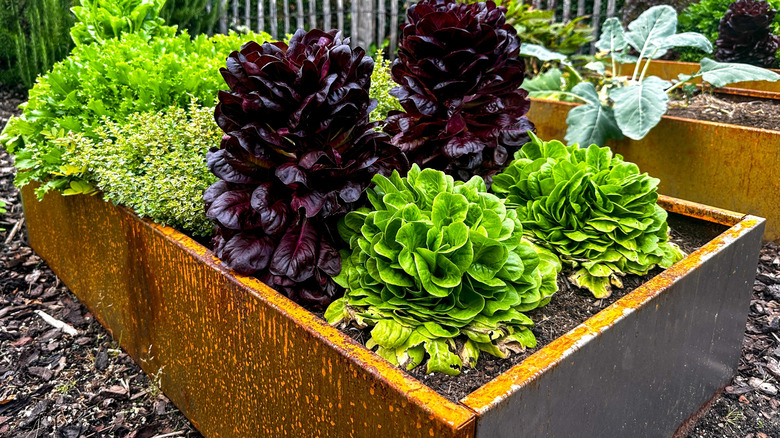
Once you've established what the bed is made from, take a closer look at how it is actually built because a raised bed that is going to sit outside for years needs to withstand far more than one made for a temporary planting project. There is a big difference between an actual garden bed and a flimsy piece of plastic that happens to be shaped like a planter. Ideally, you want a product that is specifically made for outdoor gardening so look for any mention of UV protection and other information about weather resistance.
It's also worth considering the reason why many gardeners recommend you avoid plastic in raised beds more generally. Over time, plastic can become brittle, crack, or break down after being exposed to enough sunlight and varying weather, and the concern here is that degraded plastic may shed small particles into the soil. Now, that doesn't necessarily mean that every plastic raised bed will contaminate your vegetables but it is a good reason to be cautious. There are plenty of other raised-bed materials to consider such as untreated timber, or galvanized metal which can also be beneficial for flowers, and these can last for years. The better choice for you might come down to how long you want your bed to last, what exactly you're growing in it, and more specifically, whether or not its edible.