

Not Pansies: The Old-Fashioned Purple Flowers Gardeners Still Love To Grow
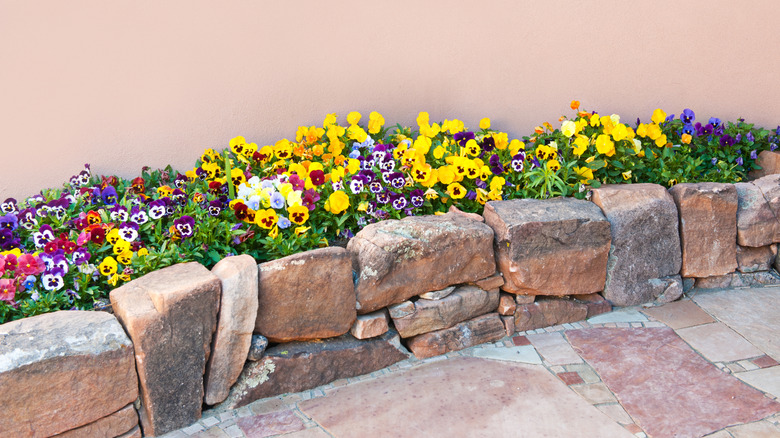
Overlooking pansies may feel like committing a grave offence. Saturated in multiple colors with deep blotches that can be creatively construed as radiant faces, their petals are a delight to behold in beds and containers. But what if we told you that you can achieve a similar aesthetic with a classic purple flower that's just as loved today as it was back in your childhood? Cue: Johnny jump-ups (Viola tricolor).
Old-fashioned gardeners would remember sowing violas during autumn, which back then were called wild pansies or Johnny jump-ups. Lovers of Bard may know them from plays like Hamlet or Midsummer Night's Dream, where they received a notable mention, for a love potion no less! If you ever wanted someone to know they were in your thoughts, sending them violas was it, which is why they enjoy a slew of other colorful names like heart's ease, come-and-cuddle-me, tickle-my-fancy, and love-in-idleness. They were also valuable medicinally and to create color dyes.
When plant breeders discovered violas could cross-pollinate in the 1800s, they interbred them to create present-day pansy hybrids, which are bigger in flower size and support richer color palettes. While Johnny jump-ups may not grow as big, they grow profusely enough to pack a powerful punch that you'll hardly notice any difference. Perhaps the best part of choosing these classic flowers is that you don't need to deadhead them nearly as often as modern pansies, which is great for those with a busy routine or in want of a low-maintenance landscape. Besides, you can make your garden feel more sentimental with this nostalgic gardening option.
Johnny Jump-ups are pollinator magnets
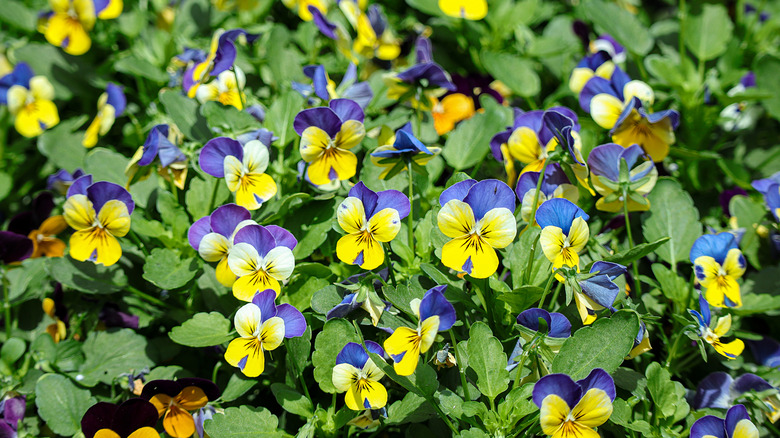
The "tricolor" in their scientific name signifies that even basic Johnny jump-ups feature three colors, usually purple, yellow, and white. However, with their breadth of offerings growing, you may also spot other color combinations, involving orange and blue. While weather will always be key, Johnny jump-ups are prized most for their spring show — by gardeners and pollinators alike. They're some of the earliest plants to bloom in spring, bested perhaps only by spring-blooming bulbs, such as crocus. On their lower petals, they feature dark-colored streaks that guide pollinators down to nectar. Throughout their blooming season, you may find them buzzing with bumbles, honeybees, and butterflies. To top it off, their leaves also host caterpillars of Fritillary butterflies, making them some of the best fragrant plants to include in your butterfly garden. Also, their petals are edible and many people think they taste like mint, making them great for garnishes (assuming they are grown without exposure to chemicals).
Unless your summers are cool, as happens in northern regions, they'll generally start to look sad and die off once summer peaks. For this reason, outside of zones 4 through 8, they're grown as annuals and replaced again in time for fall color, provided the growing season is long enough. As they can tolerate light frosts, they provide gorgeous color into November, often even popping out from snow. But if you don't mind exercising a bit of patience, you can dig out the plants and replant them in a cooler area to ensure they make it through the summer. Or, better yet, grow them in pots instead, as relocating them is easier to match the weather's whims.
Taking care of Johnny jump-ups
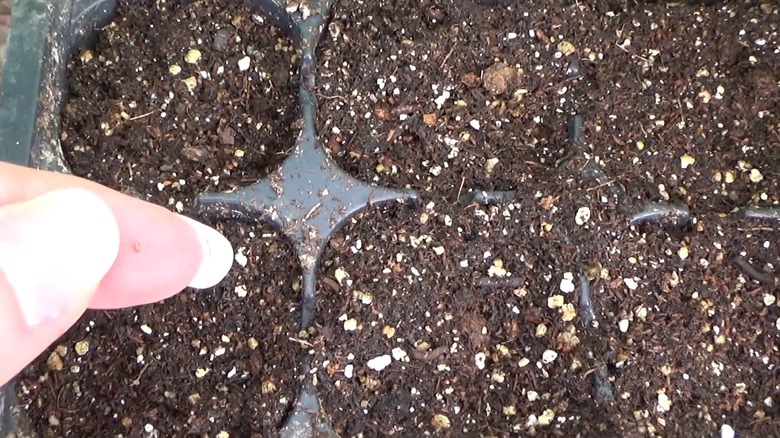
In case you're still puzzling over their name, Johnny jump-ups are called so for their habit of randomly "jumping up" or appearing in random places around the garden. This has to do with their ability to self-sow; that is, they produce numerous seeds which spread easily by wind and other factors and germinate when growth conditions become favorable. That is why, whether they successfully overwinter in your garden or not, you're almost certain to enjoy their presence for years to come.
But don't worry, they aren't considered invasive or highly aggressive and can be easily removed from places where their presence is unwanted. Otherwise, you can keep removing spent blooms before seed production. This will have the wonderful effect of extending their flower display late into the season, while you may allow the last flush to make way for seeds. You may save these seeds and sow them in mid-summer or early fall so they have sufficient time to develop roots before winter's arrival.
Take the time to remove dead and decaying foliage to restore plant vigor. When grown perennially, apply a 2-inch-thick layer of organic mulch to insulate roots, retain moisture, and suppress weeds. Before a hard freeze, water the plants generously to stave off winter injury. Although Johnny jump-ups can handle partial shade, they might not flower as abundantly unless it's the hot south, where they benefit from shading during the afternoon. Also, note that they're heavy feeders, so you'll need to apply slow-release fertilizer during planting, preferably the type that's not too high on nitrogen, or you could up with a flowerless, green patch.