

Contact Vs Systemic Herbicide: Which Is Better For Stopping Weed Growth?
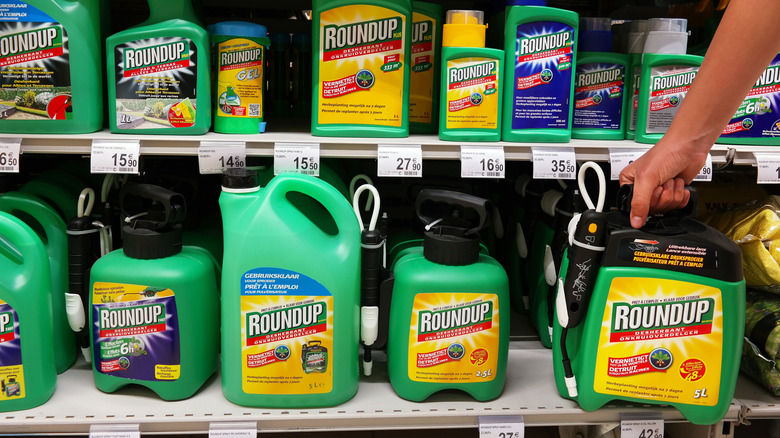
Imagine this — you spray a weed and watch it shrivel up and turn brown. You think the problem plant has lived its last day, only to spot fresh new growth a few days later. Frustrating, right? Well, this can happen when people don't understand the differences among types of weed killers before spraying in their yard. Herbicides, for instance, are divided into two categories — contact and systemic. There are different types of weeds that grow in a lawn and garden, and they can't all be controlled with the same herbicides. Which herbicide you need depends on the weeds you're dealing with. However, systemic herbicides are generally the better option for long-term control.
Contact herbicides only kill the parts of the weed they touch. They're useful for killing young weeds or annual plants that complete their lifecycle in one season. They're not much help for controlling perennial weeds, which can live for multiple years, because contact herbicides are unlikely to reach the plant's root system. Even if the leaves and stem of the plant appear dead, it may regrow from the remaining roots. That's where systemic herbicides come in. Systemic herbicides are absorbed into the plant's tissues. They travel through the plant's vascular system to the roots, even if you apply them only to the leaves and stems. The downside, if you can call it that, is that systemic herbicides are slower-acting than contact herbicides.
Identifying weeds to choose the right type of herbicide
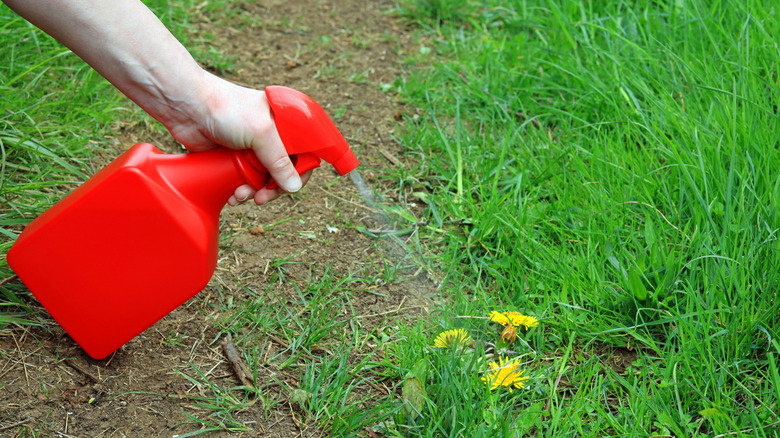
Before you can choose the right herbicide, you need to identify the weed you're dealing with. You can use the best plant identification apps to protect your garden — many simply require you to upload a few photos of the plant in question. These apps can't identify everything and sometimes get things wrong. If you want a second opinion, contact your local extension service. They have experts who can answer your weed-related questions. Once you've identified the weed, you can choose the appropriate herbicide. How you use a herbicide matters just as much as which product you choose. While you should always follow the manufacturer's directions and never exceed the recommended dose, there are other factors to consider.
For instance, contact herbicides need to thoroughly cover a plant because they only kill the plant tissue they touch. What's more, contact herbicides work best on young plants and should be applied when weed seeds are germinating. Systemic herbicides, by comparison, require a different approach. They're best applied when a weed is actively growing to increase the amount of herbicide absorbed by the plant. When using systemic herbicides, don't mow or cut the weed until at least five days after application. Doing so can reduce the herbicide's uptake and movement of the herbicide through the plant, reducing its effectiveness.