

Why Growing Your Own Food Is A Waste Of Money
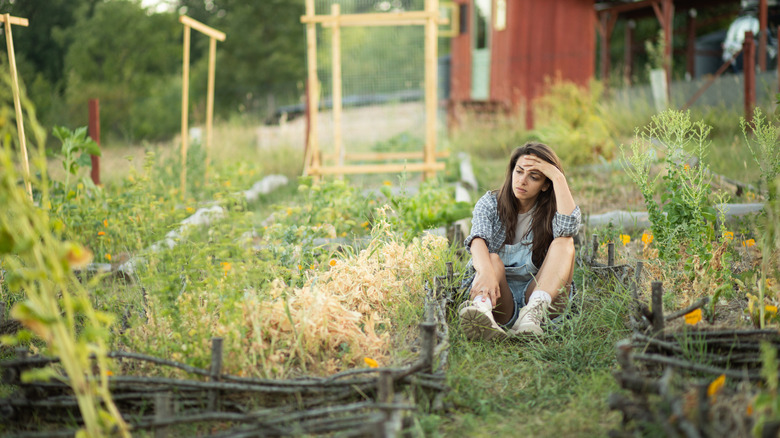
Lately, it seems like every trip to the grocery store results in sticker shock. I mean, how much can a single bell pepper cost before we collectively quit eating them altogether? Shopping at the local farmers market is an option, but as the price of fertilizer, irrigation, and other necessary supplies increase, so does their cost of operation. We're looking at $10 for a small watermelon this year, but what will it be next summer if this upward trend continues? It may seem that the logical alternative is to grow your own food. But I've got some bad news: If you think the cost of those tomatoes is high, wait until you see the price of organic fertilizer, high-quality planting medium, and everything else you need to grow enough food to make a dent in your grocery bill.
As a Master Gardener with decades of gardening experience, I've watched the price of starting gardens skyrocket. I am experiencing this myself as I start a new garden from scratch after moving. 22-plus years ago, a few wood planks and a scoop of good potting soil were less than what I might spend on a few meals out. Now, I am working my new garden plans into my budget like it's an addition to the house! As an avid gardener, not growing food isn't an option for me, and if that's how you feel, I won't tell you that gardening is a bad idea. However, if you don't love it and you are considering it purely to save money, it will take you years — if ever — to actually recoup your costs. When you add up the cost of materials, then factor in time, hard work, and losses, that watermelon doesn't seem so pricey.
The significant cost of building and maintaining a garden
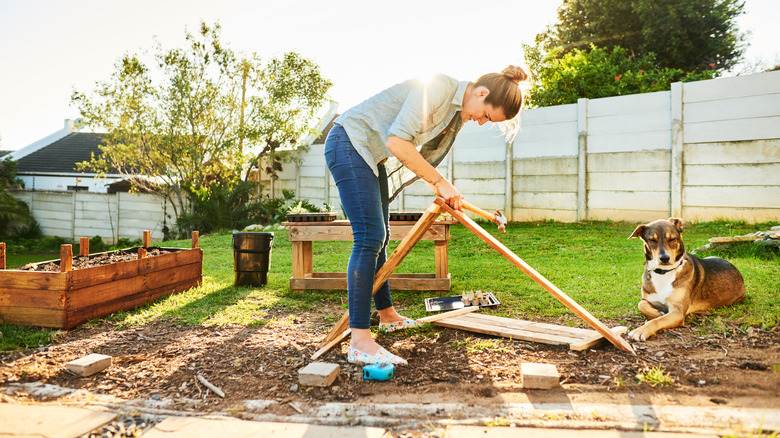
I mentioned that I am creating a new garden, but it's absolutely not to save money. In the same way people spend big bucks on gym memberships or season tickets for their favorite sport, gardening is my passion and hobby. It's my workout, summer sauna, creative expression, and a beautiful escape from reality. But it is not cheap. I expect to spend about $500 alone on high-quality raised garden bed mix. While I think that will be the biggest single cost, there are many other items on my shopping list. I'll need edging to keep grass out, and I'm using pebble mulch to keep costs and maintenance to a minimum in the future. I am buying prefab raised aluminum beds to save wear and tear on my back. I'll also need to install fencing to keep critters out and my dogs from tearing up my garden.
One of the biggest challenges of gardening is irrigation. Across the country, the cost of municipal water is going up, so planning ahead is vital to avoid losing plants during heat and drought. For me, this means investing in a drip irrigation system, which brings us to yearly maintenance costs. At minimum, a garden needs fertilizer and/or fresh compost, mulch, and water. I'll also need to buy seeds and plants to fill the garden. Then there are all the tools, structures, and other implements needed to keep my garden healthy, nutrient-dense, and weed-free. How's that budget looking now? Never mind. I don't want to know.
Gardening is a gamble
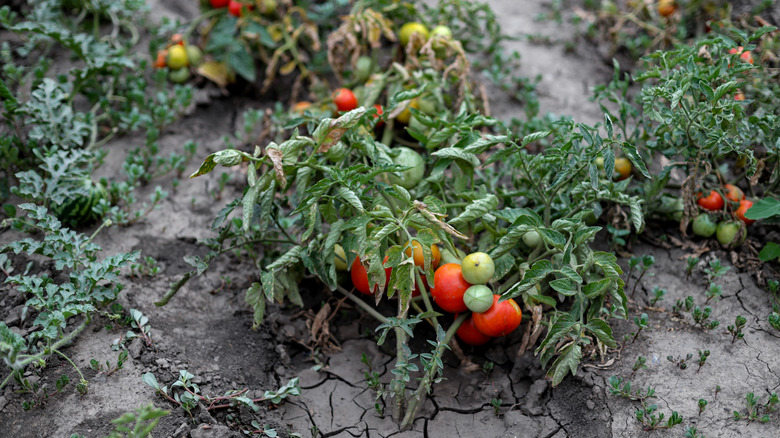
Gardeners are perhaps blind optimists when it comes to this hobby. No matter how long we have gardened, we always have crops that fail, unwinnable wars against insects, and weeds that take over everything. There have been times that I've gone out to weed my garden in July and just turned around and left them. They won, leaving me feeling absolutely defeated and threatening to quit. Then, winter rolls around and it's like it never happened because once again, I'm excited about gardening season. See? Blind optimism.
This is the difference between gardening as a hobby and gardening to save money on food: Those losses hit hard when you have invested so much time and money only to have a whole crop fail due to conditions outside of your control. Gardening is putting all your chips on the table and hoping for the best. Sometimes we have a stable weather year resulting in more fresh food than I know what to do with. Other times, I get a radish and a few scrawny tomatoes to show for all my hard work. The way I see it is that you have to be into gardening for the journey, not the reward (although fresh tomatoes do make me infinitely happy).
Still want to grow your own food? There are a few ways to lower the cost
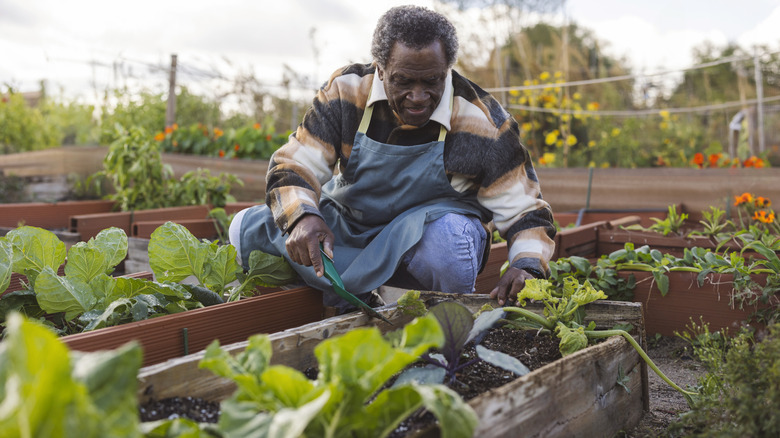
If I haven't convinced you that growing your own food is a waste of money, congratulations! You have a gardener's heart, and that's what it takes to make this hobby worthwhile. While I'm planning my dream garden, you don't need to make yours perfect the first year. Start small with a few grow bags, a single raised bed, or dig up a 10-foot by 10-foot patch of soil. Check locally to see if your city offers free or cheap compost to use in a DIY soil mix for vegetable gardens. There are lots of ways to save money if you research and plan ahead.
The best advice I have for saving money isn't what you should buy or make — it is knowledge. Before buying seeds, buy a book. Read articles from experienced gardeners, and look for local or online classes about the best way to start a vegetable garden. Knowledge is the foundation you need to prevent as many mistakes as possible and gain a deeper understanding and appreciation for growing your own food. Oh! And while you're at it, check out your local extension service to help you grow a gorgeous garden. They can answer any questions you have about growing in your specific environment, and they may even connect you with a Master Gardener like me to offer guidance.