

What Does Bleach Do To A Septic System?
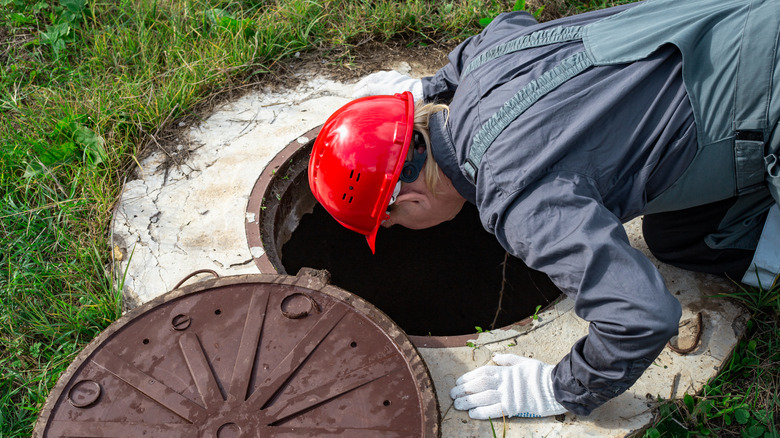
Septic systems are more complicated than we tend to give them credit for. In all honesty, most of us don't really like to think about what's happening "under the hood" of our septic tank. But to avoid unnecessary expenses, it's worth knowing how septic tanks work and which products can cause damage. Even though homeowners often use bleach to clean, repeated, heavy use can lead to expensive septic tank problems. Septic systems rely on a complex balance of bacteria to break down waste and sludge into liquids and gases, which then disperse and drain away through the system's drain field. Since bleach is a disinfectant, large amounts can kill the helpful bacteria inside your septic system.
Without the bacteria, waste and sludge build up instead of breaking down, leading to backups and potentially hazardous overflows. Your septic system will then become more expensive to manage, since you'll need to have it pumped every year. In severe cases, solid waste can build up enough to overflow into the drain field, causing backups in toilets and sinks. So, what's the solution? Well, if you're noticing signs that your septic tank needs pumping more often than usual, it might be time to consider a different cleaning product.
Which cleaning agents are safe to use with septic systems?

Fortunately, there are plenty of natural solutions and septic-safe cleaning products you can use. Vinegar can be a versatile cleaning tool and will likely do no harm to your septic system. Similarly, there are many baking soda cleaning hacks that will not disrupt the bacterial balance in a septic tank. If you use a store-bought product, choose one that is natural, environmentally friendly, and biodegradable. These products are widely available at most stores, and many are also available online.
Whether you shop in person or online, look for the EPA's Safer Choice logo to ensure you're choosing an environmentally safe option. These products meet rigorous standards designed to protect the environment from harsh chemicals and pollutants. In other words, they tend to be septic-safe. If you're unsure whether a product is too harsh, you can always visit the EPA Safer Choice page and search for certified cleaning products.