

What Does A Green Flame In A Fireplace Mean?
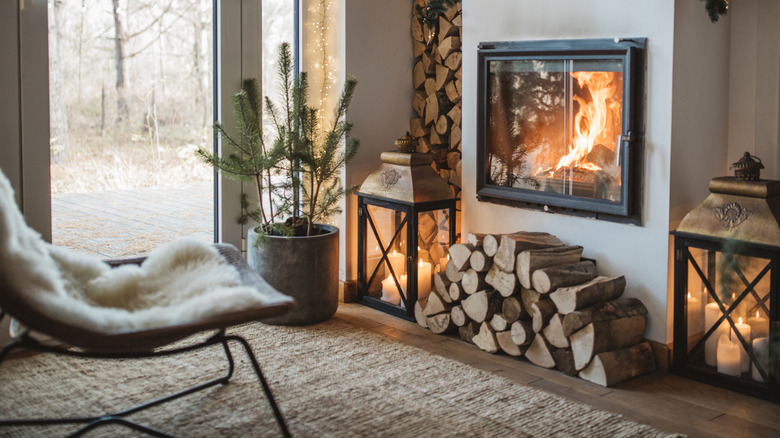
There's nothing in the fall or winter like enjoying a cozy night in front of your fireplace. You might be settled in with a cup of hot cocoa, relaxing, when suddenly the flame seems to flicker green. What does a green flame mean in a fireplace? It typically signals that the wood you're burning contains copper chemical compounds. Unlike other flame colors, green flames indicate you should proceed with caution.
Untreated firewood typically produces flames in shades of yellow, orange, and occasionally, blue. But pressure-treated wood often contains copper-based preservatives, and they can cause the flames to turn green. Other types of wood you use can also give the fire a green hue. For instance, if you gather driftwood along the beach for a bonfire, the flames might be blue or green if the wood absorbed salts from its exposure to salt water. And if you collect scrap wood from a construction project to burn, it may have the remnants of old copper wiring or nails which could spark a green flame.
Pressure-treated wood is a popular type of wood you should never burn. According to the U.S. Environmental Protection Agency (EPA), it can be hazardous to your health. In addition to copper, burning treated lumber could release arsenic, chromium, and other toxic compounds. Scrap wood is also not a good choice, simply because you can't be certain where it came from and what it might contain.
What to do if your fireplace flame turns green
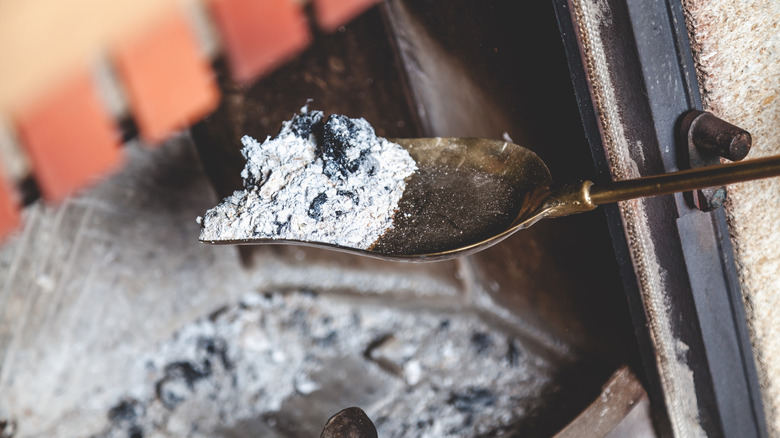
For safety concerns, it's best to extinguish a fire that starts burning green. Now, if the green flame appeared after you added a particular piece of wood, the simplest explanation may be that there is another compound or chemical on that particular wood. You should still put out the fire rather than using the same wood.
If you still see persistent unusual flames along with excessive smoke, an unusual smell, or smoke entering your room, immediately stop using the fireplace and schedule an inspection. The EPA recommends annual inspection and servicing of wood-burning appliances and chimneys by a professional. As a fireplace owner, you should understand how to clean your wood-burning fireplace and the best methods to do so to ensure the safest operation.
So what should you burn? The EPA recommends burning dry, seasoned wood and specifically says not to burn plastic, painted or pressure-treated wood, plywood, particle board, or other materials containing glues or coatings. Those materials contain chemicals that aren't safe if they are burned. They could also wind up damaging your fireplace or wood burning stove.