

September Is The Time To Start Planning Your Spring Flower Garden

September marks the start of my favorite time of the year. Even though I'm a master gardener with two decades of experience, and I love watching everything come to life in spring, it's fall that brings me that special blend of joy and sadness. Much of what I've grown is ready to harvest or has reached its peak and everything is starting to settle down for its winter sleep. But there's a huge amount of potential in September, too, and a never-ending list of fall gardening tasks to be completed. It's now that you should be planning for spring. The right preparation now sets you up for a brilliant, bountiful growing season next year. The ground is still workable, the days are still tolerably warm, and you've still got plenty of time to move or make beds, correct problems, complete projects, and figure out what to plant where.
Use September for planning your spring garden. Look at where you've got obvious gaps that need to be filled, and decide if you want to go with annuals or perennials. Spot where plants are overcrowded and may need dividing. Watch for signs of struggling plants, not explained by the flowers simply dying back for winter, and work out if you've got a soil deficiency, a pest, or a pathogen you need to take care of. Further, make note of which plants were hit by fungal pathogens and may need removing or relocating. Although the garden is starting to wind down, we've still got a huge amount of work to do ahead of winter.
Start buying spring bulbs now but don't necessarily plant them yet
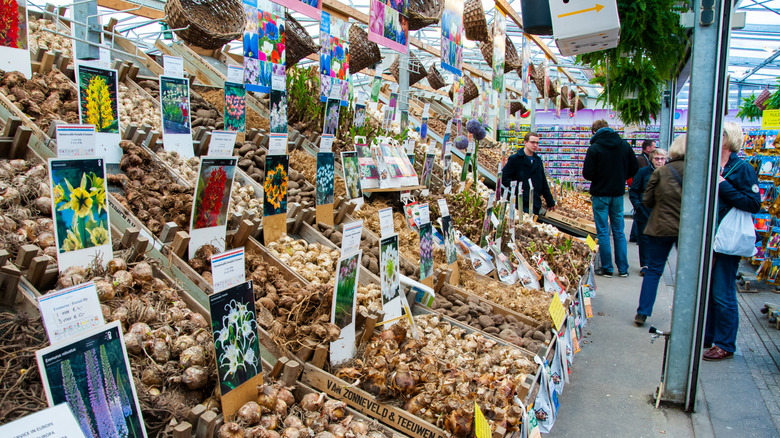
About the time the Halloween stuff hits the shelves, so too do the spring bulbs, like tulips, and daffodils. You often get good deals by buying them early in the season but it's not necessarily the right time to plant them. Ideally, before you buy, you should take stock of your existing garden and figure out where you need more bulbs. Hopefully you already kept some kind of visual record of where your existing spring bulbs are so that you don't overcrowd them when you want to add new ones. When you've figured out what you need, if you can find them at a good price, stock up on them now. Just make sure that none of the bulbs are soft or showing any signs of rot.
When to plant them in the ground depends on where you are in the country. Check the plant instructions on the bulb packaging to see when it recommends you plant, based on your USDA Hardiness Zone. Don't leave it too long though. Bulbs need a good few weeks in the ground before it freezes so that they can root well before they go dormant for winter. It's a fine line because if you plant them while the ground is still too warm from summer, they can rot or worse think it's time to grow and start pushing up soft green growth that will die as soon as temperatures drop. In an ideal world, you want to wait until the soil is reasonably cool, around the 50 to 55 degrees Fahrenheit mark. For large portions of the country this is October or November.
Thin out, divide, and tidy up
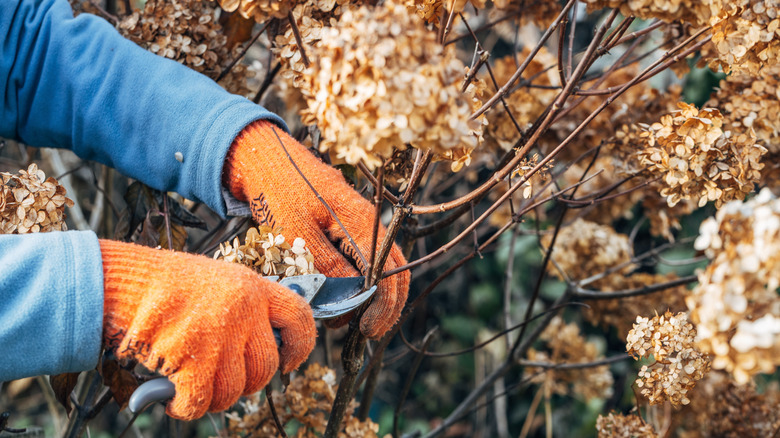
It's during this period that you set the tone for your garden for the spring. Pay special attention to plants which are struggling because they are crowded. As perennials like astilbe, coralbells, hostas, and salvias start to wind down, if they are crowded and performed poorly, you'll want to lift and divide them. Either replant the divisions elsewhere in the garden or gift them. While the freshly planted divisions may look a little bit sparse, they will soon fill out again come spring and you'll get much better performance from them. Make your divisions while you've still got at least a month before the first predicted frosts for your region so that the newly replanted divisions have time to anchor their roots. There are, however, a number of perennials you should never divide in fall, like bearded iris. Anything that's still blooming at this time of year, like asters, is better off left as they are and divided in spring instead of fall. And if you still have gaps, there is a huge variety of perennials that can still be planted in September to give you a full and beautiful spring garden.
September is also your tidy-up month. As things start to finish, remove the dead foliage. There are many plants that need cutting back in fall or winter. Some leaf litter, if left to rot in bags, can be a useful mulch and slow fertilizer. Leaving dense mats of leaves and rotting foliage in place on the ground, however, provides the perfect winter harbor for pests that need somewhere to survive the freezing winter. It creates the perfect overwintering or breeding ground for a whole host of fungal pathogens.