

Better Looking Than Gravel: 9 Ways To Use Granite For Landscaping
We may receive a commission on purchases made from links.
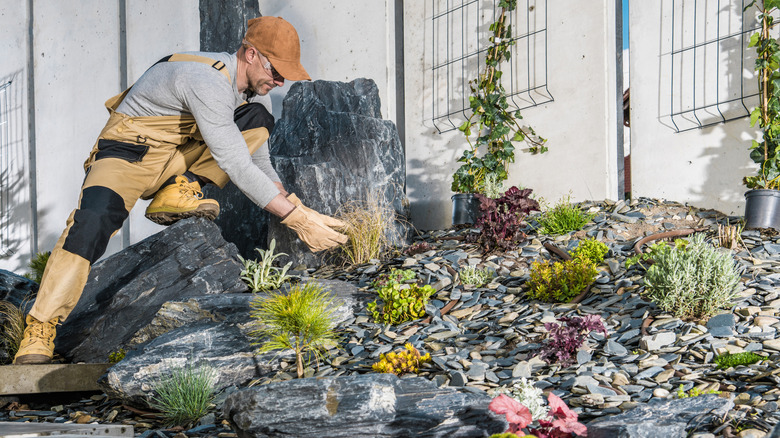
When you're looking to add functional visual appeal to your yard, you may first be tempted to reach for gravel. Gravel is a budget-friendly and low-maintenance choice for landscaping, but it's not the only option. Instead, granite, specifically decomposed granite, can also help elevate your outdoor space without sacrificing appearance.
Decomposed granite, also known commonly in landscaping spaces simply as DG, is the remains of an eroded large slab of granite. Rather than having a single sizable rock, decomposed granite gives you a consistent, sand-like texture to work with that's similar to crushed stone in application but overall finer. As a result, it can be incredibly versatile in your landscaping, from providing ground cover in the garden to creating functional paths, sitting areas, and play zones. And, because decomposed granite comes in a variety of different colors, you can readily tailor your landscaping to your existing outdoor aesthetic, boosting visual appeal in a way you may not be able to do as easily with gravel.
Mulch
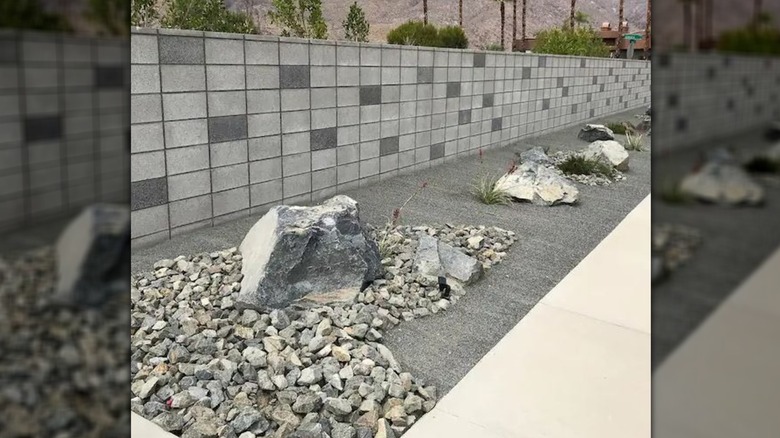
While rocks may not be the first thing that comes to mind when exploring options for mulch, decomposed granite is actually a popular choice. It does eventually break down but has a higher average lifespan than other types of garden mulch, and its unique appearance helps boost visual appeal if you're interested in an alternative approach to traditional bark mulch. One of the main benefits of using decomposed granite as mulch is that it's inexpensive, but it also comes with the advantage of not attracting pests, a feature that many gardeners can appreciate.
Zen garden
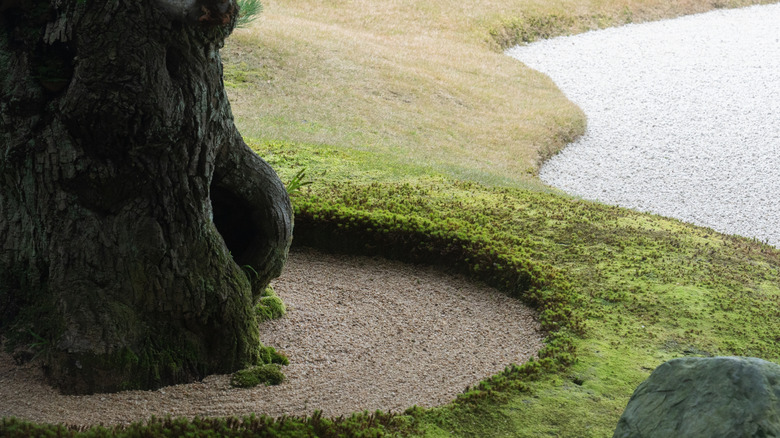
If you're looking for the best gravel and sand to use in a DIY Zen garden, look no further than granite. Crushed granite is a traditional material in Zen gardens, and using decomposed granite as the base material of your relaxing landscape helps maintain a natural appearance while embracing the many benefits, such as its budget-friendly price tag and easy maintenance. To use decomposed granite in your landscaping this way, simply spread it across the base and then rack it into your preferred design. This fine texture of the granite makes this a breeze, providing that signature relaxation.
Paths

Mulch isn't the only way to combine both the aesthetic value and functionality of decomposed granite in your landscaping. This material also works well for paths, and it's actually one of the most common ways homeowners use this type of granite. There are several different ways that decomposed granite can be used to construct a durable, eye-catching pathway. For lower traffic areas, you can simply apply and compact the granite onto a graded, leveled base. If you're worried about erosion, you can instead use stabilized decomposed granite.
Active areas
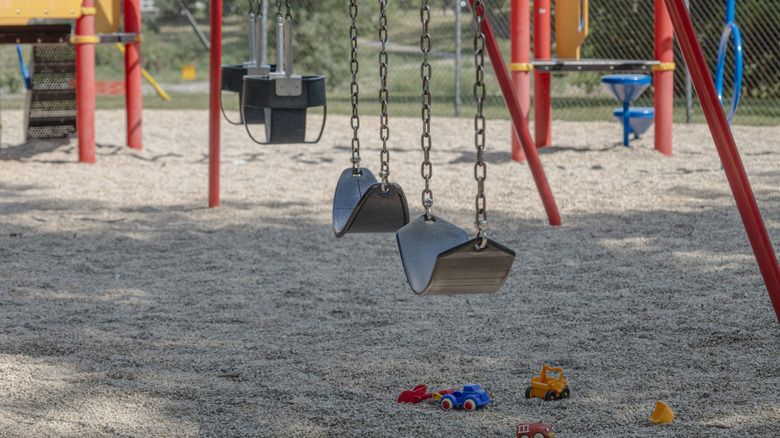
In general, decomposed granite is considered to be safe for pets, so long as they aren't keen on digging or consuming your landscaping. It's also a good choice for playgrounds. Because of this, if you're looking to stray away from gravel in certain areas of your landscaping, dog runs, play areas, and similar active areas of your yard can be a great spot to show-off decomposed granite. It's also natural and environmentally-friendly. Just keep in mind it may settle and compact over time. It's also better suited for pet play areas rather than restroom spots.
Outdoor patio
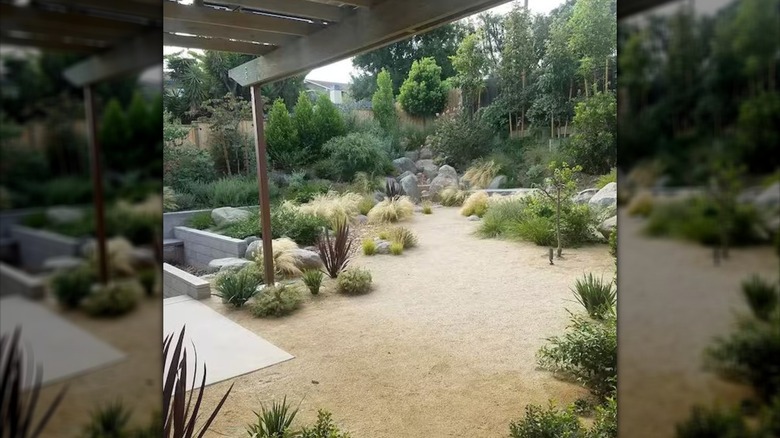
When you're looking to build a new outdoor patio, one of the first bridges to cross is deciding your material. Fortunately, you have a large variety to choose from, and if you're looking for concrete patio alternatives, crushed stone works just as well here. While you could choose gravel, granite's ability to hold up to foot traffic, drainage, and overall visual appeal make it a top contender for a decomposed stone outdoor patio. You can also choose from a variety of colors of decomposed granite, which allows you to personalize the overall aesthetic of your patio.
Fire pit area

In the same way you can use decomposed granite for landscaping around an outdoor patio, it also serves well in a fire pit area. As a rock, you won't need to worry about flammability, and it doesn't require much maintenance. This can be especially helpful if you want to minimize how often you need to move your fire pit and any nearby furniture to maintain the landscape.
Xeriscapes
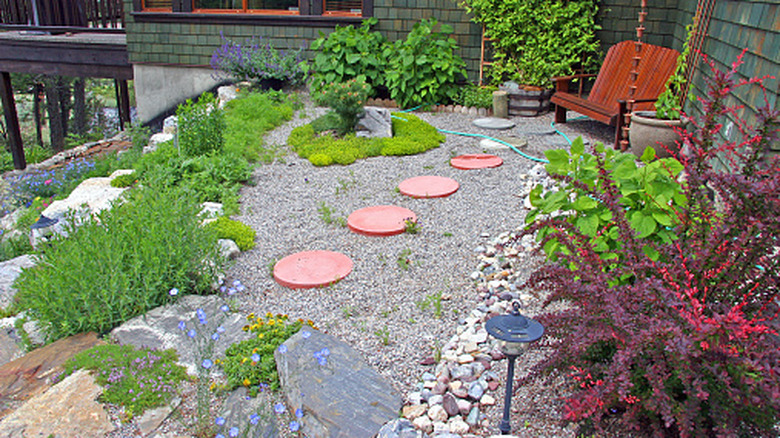
Decomposed granite is one of the best materials for xeriscaping. It provides superb drainage, ensuring that your precious plants aren't left in waterlogged soil when they'd much rather be in dry, arid conditions. There's also the color choices, which helps turn an average succulent garden into a true desert-themed xeriscape. However, there's also the fact that the granite's coverage minimizes evaporation in your garden. This means that it helps plants hold onto the water they need without pooling, which is essential when you're working with succulents and similar plants.
DIY filled garden steps
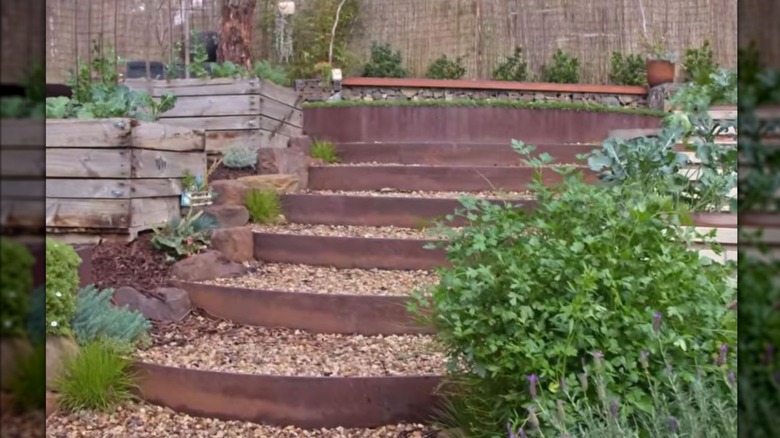
Stairs can be one of the most advanced DIYs to elevate your outdoor space with. However, opting for DIY filled garden steps versus traditional solid steps often makes this process a bit more beginner friendly. To make filled steps, you'll need to choose a perimeter material, such as weathered steel, that will contain your filler material. Then you can add decomposed granite topped pea gravel until you have a leveled, compacted step that has no odd areas where tripping will be a risk.
Driveways
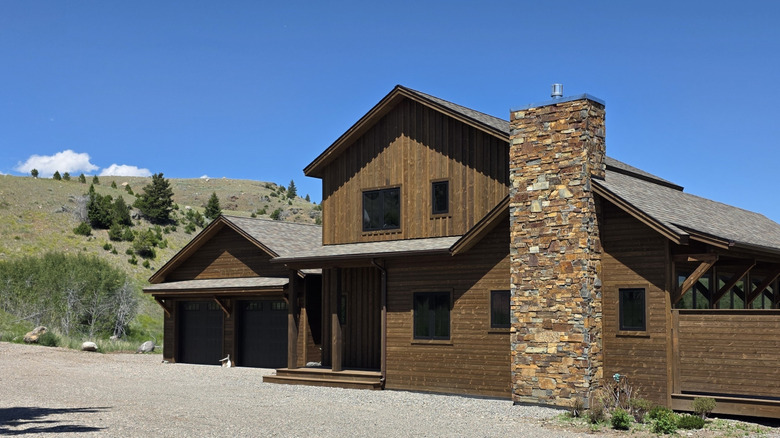
Gravel driveways are a classic option, but they're not your only option if you're looking for something unique. Depending on the type of traffic you receive and your vehicle, decomposed granite can also go beyond traditional landscaping to give you an eye-catching and easy-to-maintain driveway. There is a bit of extra planning that goes into using this material for a driveway, however. Unstabilized, loose decomposed granite may not be the best choice, and rather than a DIY approach, you may prefer a professional that can use a stabilized version of decomposed granite that can hold up to heavy wear and tear.