

Kitchen Trends Boomers Loved That Deserve A Comeback
We may receive a commission on purchases made from links.
If you're craving a little nostalgia, these kitchen trends were must-haves for the boomer generation. Kitchens are the heart of the home, and the way we choose to decorate them says a lot about the way we live and gather. Although some trends should stay in the past, others could definitely make their way back into modern homes. The key is to borrow the elements that made these spaces inviting while giving them a fresh, contemporary update.
There are a few reasons why a retro trend might suit your current space. Even if you have a modern home, a traditional twist can make it feel more curated and personal. For example, adding a boomer-approved material like warm wood cabinetry or classic laminate can bring character to an otherwise modern kitchen without overwhelming the space. You might be afraid of making your interior look dated, but a blend of vintage-inspired details and modern finishes can actually make a kitchen feel more authentic and lived-in. These are our picks for the boomer-approved vintage kitchen trends we'd love to see used today.
Formica countertops, chairs, tables, and more
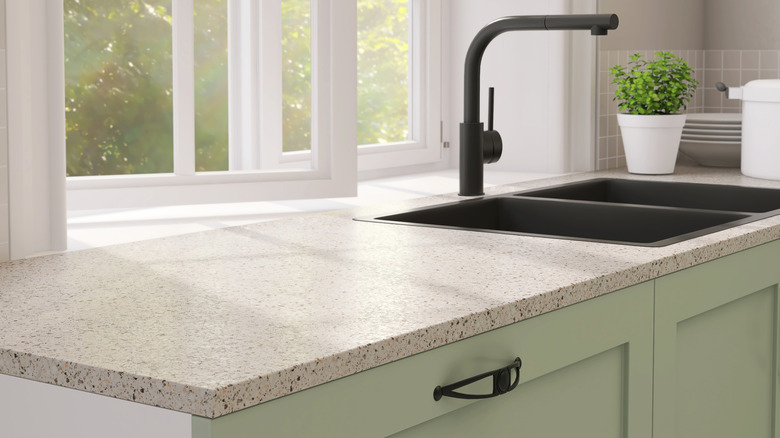
Formica was the go-to material in the '70s. This hard laminate was used for both furniture and countertops. Also known as high-pressure laminate, it is made using high heat to press layers of paper together with resin. Formica furniture is often coveted at secondhand shops, which means we think it's only a matter of time before Formica surfaces are back in style. Plus, another huge bonus is the affordability. Because they are made from laminate and not stone, they are an extremely budget-friendly surface option. They start at approximately $29 per square foot.
There are a few different ways you can incorporate Formica into your cooking space. The countertops are the most retro option, and there are endless colors and styles to choose from. You can mimic the original Formica kitchens from the mid-century period and go with a bright yellow or orange surface. If you want something that leans slightly more modern, there is even Formica that mimics the look of wood or stone for much less. Before you get started on your project, make sure to review the complete benefits and drawbacks of installing Formica countertops in your home. If you decide Formica countertops aren't for you, you can easily incorporate a vintage Formica dining set.
An avocado green painted kitchen
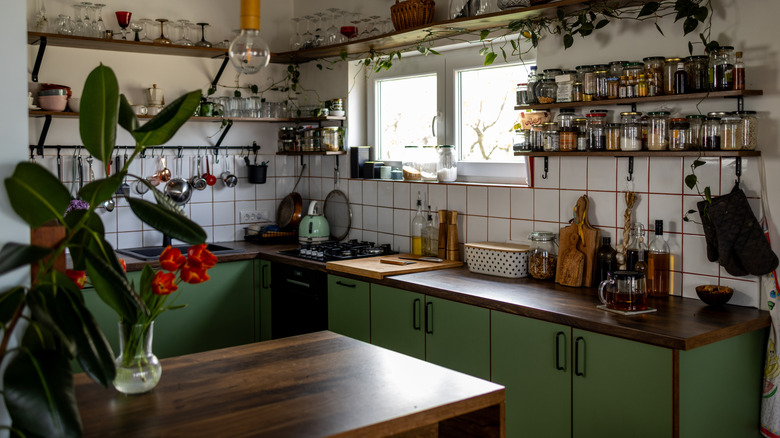
There were a few colors that boomers couldn't get enough of, particularly in their kitchens. Avocado green was absolutely inescapable in everything from furniture, to wall paint, to appliances. It became so popular that the aversion by younger generations became just as strong. It was heavily avoided by the 1980s, but not because of the color itself. Earth tones in general were violently pushed away in favor of more muted options. As earthy tones make a huge comeback, it's only natural that the quirky avocado green kitchens from the 1960s and 1970s would make a reappearance.
There has been buzz that the avocado green comeback is right around the corner, and we're totally on board. Minimalist kitchens are no longer the contemporary standard, and designers and homeowners are currently craving something richer with more character. If you're feeling bold, you can drench your home in avocado green. For those who just want to dip their toe in the earth-toned pool, try an avocado green tile backsplash. A more temporary option is to add avocado green textiles, like this DII Basic Terry Collection Waffle Dish Towel Set. If avocado still feels too saturated, try a lighter shade of green like pistachio or sage.
A split-level kitchen island and breakfast bar combo
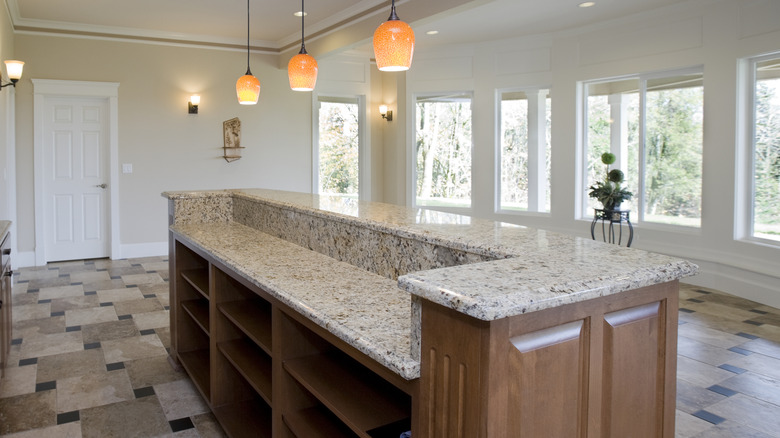
A split-level kitchen island and breakfast bar is one practical retro kitchen feature we'd love to see make a comeback. These islands were designed with two distinct levels: a higher surface for food prep and a lower "step-down" area for eating (or, occasionally, vice versa). That lower level could even double as a casual desk or workspace, making the island much more than just a place to perch with a cup of coffee. Somewhere along the way, this clever split-level solution gave way to the streamlined, single-level islands we see everywhere today, but we think it's time to bring back the functionality.
The beauty of a split-level island is that it can be changed to fit the way you actually use your kitchen. You might have a higher prep surface with a lower dining area for everyday meals, or a lower prep area with a raised bar where guests can sit and chat while you cook. The design itself can also be customized. The lower level might jut out from one side, or wrap around three sides of the island for even more seating and workspace. It strikes a nice balance between the sleekness of a modern kitchen and the practical, hardworking design that defined so many kitchens of the past.
A cute recipe box on the countertop
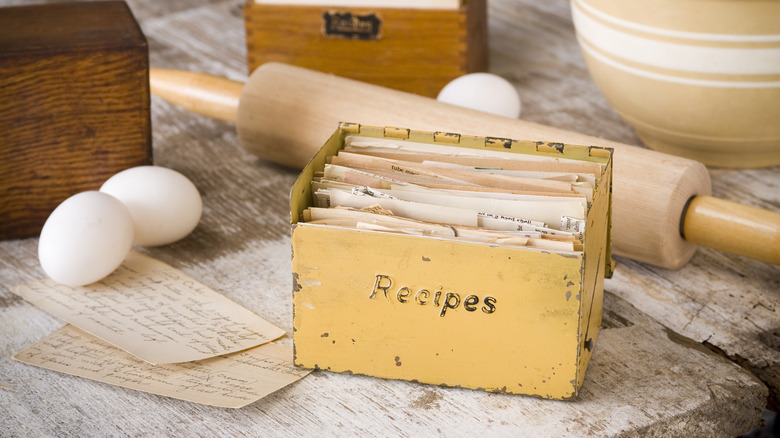
Every boomer had a sentimental box of recipes in their kitchen. Handwritten and likely passed down from older generations, these treasured cards often held more than just family recipes. They preserved memories, traditions, and little pieces of family history. This trend would work well in today's interiors as we lean more into personal details. Instead of keeping everything hidden away, display a few of your favorite recipes or keep a decorative recipe box within easy reach. We're moving more towards curating a home that is unique to you, and little details like this can make a space feel sweet and meaningful.
To modernize this boomer trend, a cutesy, decorative recipe box on your countertop can look super cozy. You can thrift a wooden or vintage-style box for an antique look, or go with something more modern if it's better for your space. For example, this Heart & Berry Lemon Recipe Box is absolutely adorable, and ideal if you've been searching for a subtle splash of color. Along with being practical, a colorful recipe box can act as a small pop of visual interest.
Colorful nesting mixing bowls on display
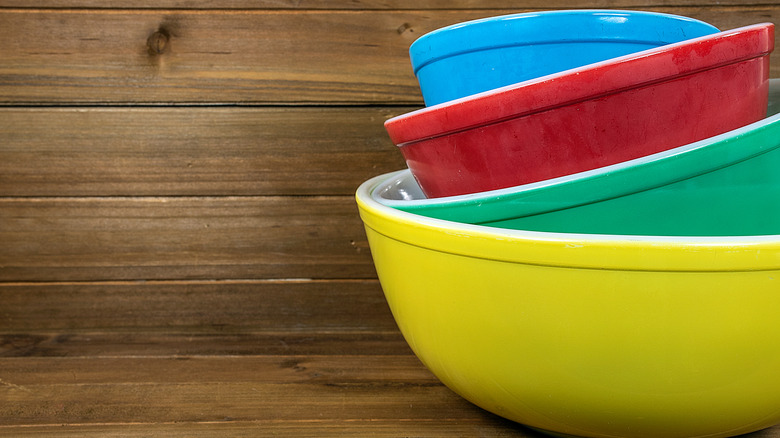
While you might be used to keeping your baking accessories hidden away, boomers used to display mixing bowls with pride. Plus, they weren't just any mixing bowls. Nesting bowls were a fun and practical way to keep multiple bowls organized. Like a Russian nesting doll, these bowls fit neatly inside one another, saving precious cabinet space. They came in a wide variety of vibrant colors, adding another way to bring personality into the kitchen. Fun retro patterns, from floral motifs to geometric designs, made them just as decorative as they were functional. This is one trend to come back around, as it reflects the perfect imperfection designers are currently striving for.
If you really want to copy this look in an authentic way, grab some retro Pyrex mixing bowls that fit inside each other, and plop them right next to your cooking area. For example, this dreamy Pyrex bowl set is a treasure for collectors to find today. If you want a more modern look, go with ceramic-style, stoneware nesting bowls. These irregular shapes and handmade finishes can add warmth and visual interest without making your kitchen feel overly retro. If you love the idea of visible texture, these Mikigey Ceramic Mixing Bowls are an example of a set that blends retro and modern aesthetics.
Wallpaper is the perfect recession-core option
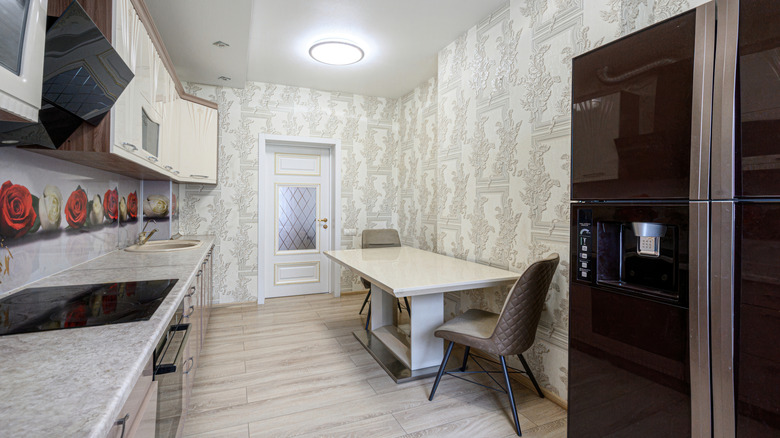
Wallpaper everywhere was huge with the boomer generation, especially in the 1970s. Beyond its playful appearance, it's one of the most affordable ways to give your kitchen a refresh. Take inspiration from the bold patterns of the past, and create an eye-catching environment. Some of the most popular '70s prints included floral and botanical designs. Modern interiors could definitely benefit from this simple and affordable statement-maker.
Floral wallpaper doesn't have to look like your grandma's kitchen. You can easily make it fit a contemporary space with a few adjustments. Instead of the ultra-busy, warm-toned floral prints of the 1970s, try something with more green. Rather than a repetitive pattern, imagine more painterly strokes and visible texture. The wallpaper should look custom rather and not a recurring image reprinted over and over again. If you want to make vintage wallpaper work, check out the trendiest Old-World wallpaper patterns and the best way to style them.
Houseplants in shiny brass pots
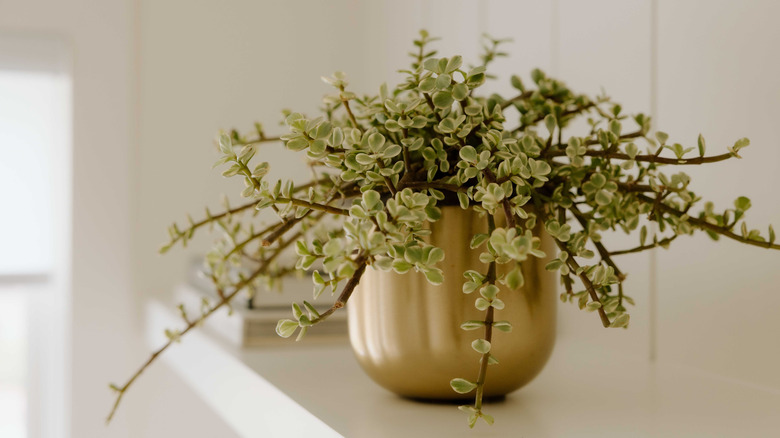
Houseplants were popular in the '60s and '70s and are still popular today, but the way they are displayed has changed. Bright, brass pots used to be all the rage, and we think it's time for this warm-toned trend to come back. We are slowly creeping back into warm-toned decor with brushed brass and metals, but the shiny brass boomers loved might be the next comeback.
There are plenty of ways to bring this look into your kitchen without going all-in on retro style. An oversized floor pot for a small tree makes a dramatic statement, while a simple brass vase is an easy way to start small. For added texture, try a hammered-style planter, or play with symmetry by flanking your countertop with two identical brass pots. You can also use a single planter to fill an awkward corner, adding both greenery and a warm metallic accent to an otherwise overlooked spot. These Nuptio Metal Flower Plant Pots are an affordable solution to try.
Wood veneer was a must-have for cabinets
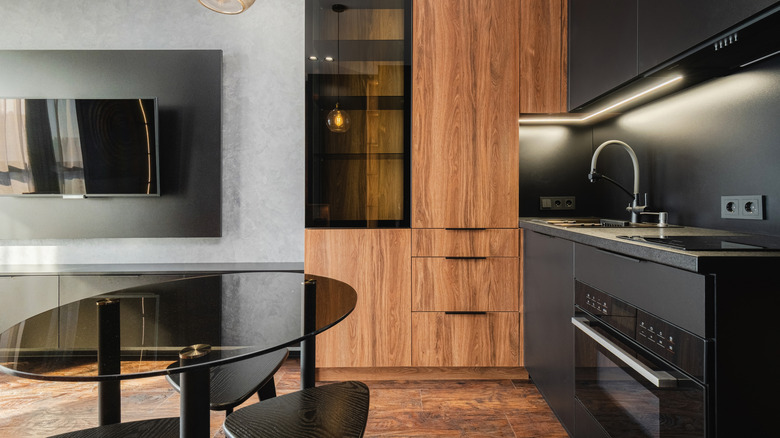
Wood is already having a major moment in kitchens and beyond. However, solid wood can get pricey. In the 1970s, wood veneer cabinets were popular for their sleek look and affordability. Wood veneer is a thin panel of wood that is attached to the front of an engineered wood panel. This means that the surface is real hardwood, but the overall piece much less expensive than entirely solid wood. We think boomers were onto something with this budget-friendly, retro trend.
Typically, in the '70s, the wood veneer was warm-toned and shiny. To adapt this trend to modern interiors, consider more natural wood veneer cabinetry. You can go with either a light oak or a dark chestnut, depending on the look you are trying to achieve. A slightly more cool-toned, matte finish will make the surfaces look less retro. However, as honey oak cabinets make their way back in style, you might even be able to mimic your parents' '70s wood veneer cabinets exactly and still look on-trend.
A home bar can have multiple uses
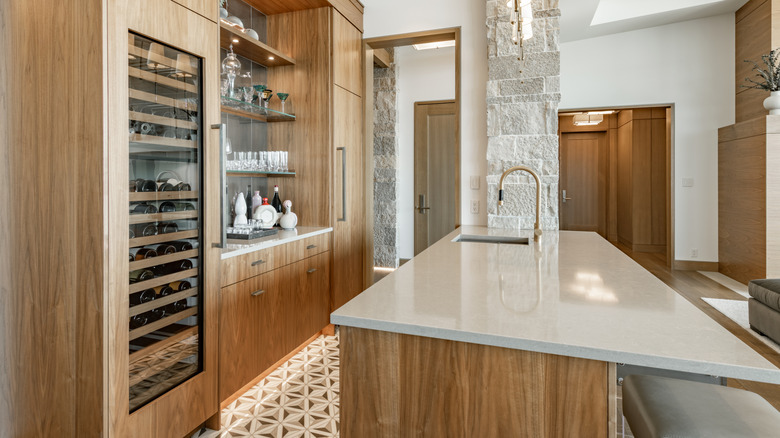
At-home bar areas were a favorite among boomers, but these chic little kitchen areas fell out of favor over time. There were a few different styles that were prominent in the '60s and '70s, from glamorous built-in bars featuring dark wood cabinetry and gold hardware to more flexible furniture pieces placed next to the kitchen. The latter could be moved around as needed and often featured the curved silhouettes that were popular during the era.
You can easily modify the chic concept of an at-home bar to suit your lifestyle. Although younger generations are drinking alcohol less and less, at-home coffee bars are a new trend. You can purchase a vintage dry bar and simply fill it with coffee, tea, and glassware instead of liquor and cocktail supplies. Another option is to build an extension of your existing countertop that is designated for beverages. Even a small setup can make a kitchen feel more intentional, especially when you give it a dedicated spot for mugs, syrups, or your favorite brewing tools. Once you've determined your setup, take a peek at the best tips for perfectly styling your home bar.
Patterned vinyl flooring
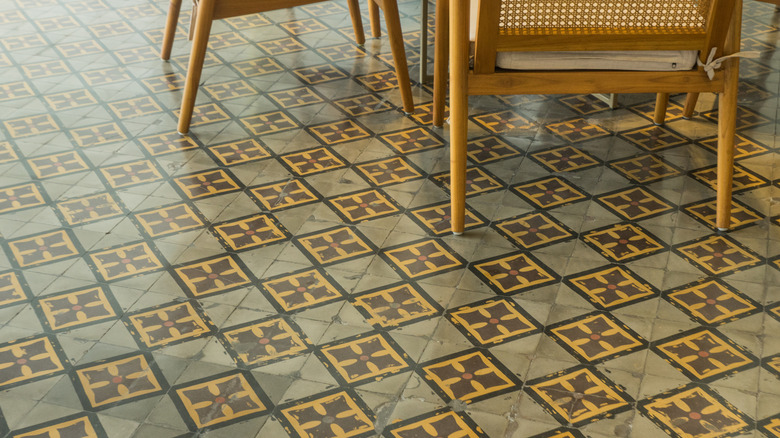
Vinyl has always been an easy way to give an entire room an instant makeover. Made from several synthetic layers, vinyl is completely water-resistant and extremely durable. In the early 1970s, boomers weren't afraid to go bold with their vinyl flooring — particularly with vinyl tiles. The vibrant prints became super popular for retro cooking spaces. They often featured ornate patterns with traditional and exotic motifs, primarily with saturated, earthy tones. Although some of the patterns might be a little dated today, others are perfectly timeless. Plus, the affordability of vinyl tiles will appeal to everyone.
Today, vinyl tiles come in a wide range of different styles. One of the trendiest looks is imitation terrazzo, which can give the appearance of a solid floor at a much lower price. These Zrjt Peel and Stick Floor Tiles are a great way to try out the look. Checkered patterns are another trendy option that will look classic rather than dated over time. This is how you can DIY the checkered floor tile trend for a luxurious look on a budget.
Decorative plates lining the doorway
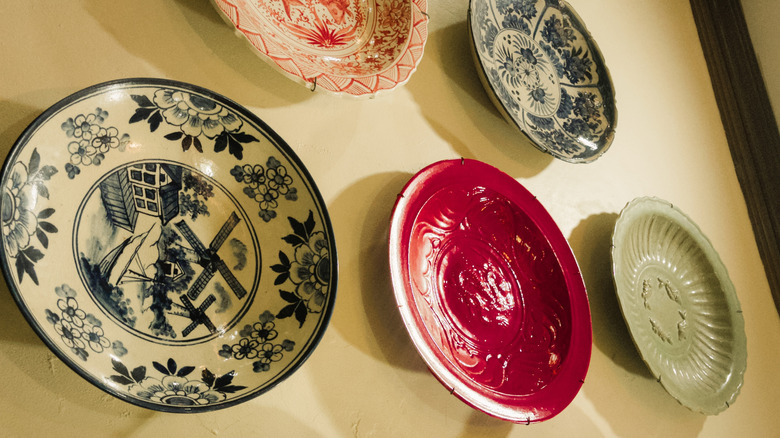
Boomers used to line the tops of kitchen or dining room doorways with ornate, decorative plates. This was another way to personalize a kitchen, whether the plates were gifted or passed down. Displaying sentimental and significant dishware used to be much more prominent in the past. While the exact plates that were popular with boomers might be seen as dated, there are other styles we could see trending in current interiors.
We could definitely imagine handcrafted ceramics and more funky plates on display above a door frame. Adapting this trend is less about replicating the exact look of a boomer-era kitchen and more about finding a modern way to showcase pieces that you love. You can easily purchase different size plate hangers to mount to your wall, like these Bilillo Plate Hangers that come in both gold or silver.
Glass door display cabinets for dish sets
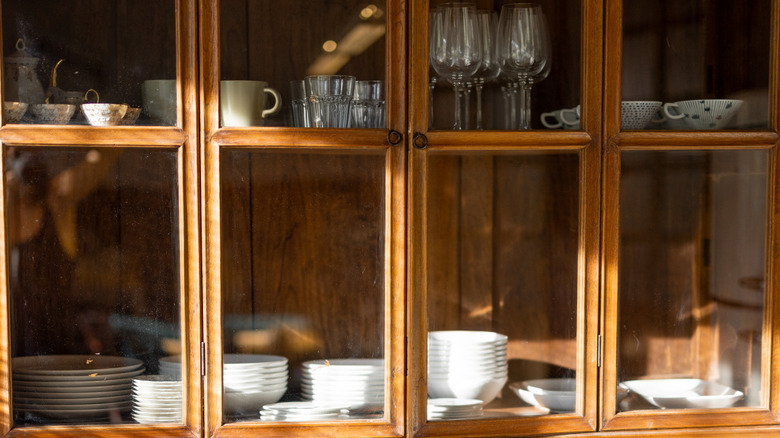
In addition to hanging plates, boomers also used to proudly display their prized dishware in glass-front cabinets. The result was a space that felt lived-in and reflective of the homeowner's tastes. It's been debated whether glass cabinet doors are a beautiful kitchen addition or a pain in the neck. However, as we've mentioned, kitchens are no longer about keeping everything perfectly hidden away. Although fine china and crystal glasses might not be in every millennial or Gen Z household, glass front cabinets can still be useful for displaying a wide range of personal items.
Glass-front cabinets can be useful for several purposes. You can them to show off colorful vintage glassware, ceramics, or other thrifted treasures that would usually be tucked away in a cupboard. You can play with combining different heights and textures to create a display that feels super casual and effortless. Always make sure to leave a little breathing room in between pieces to keep the cabinet from looking overly cluttered.