

The Old-Fashioned Tree With Bright Yellow Foliage Arborists Still Love To Grow
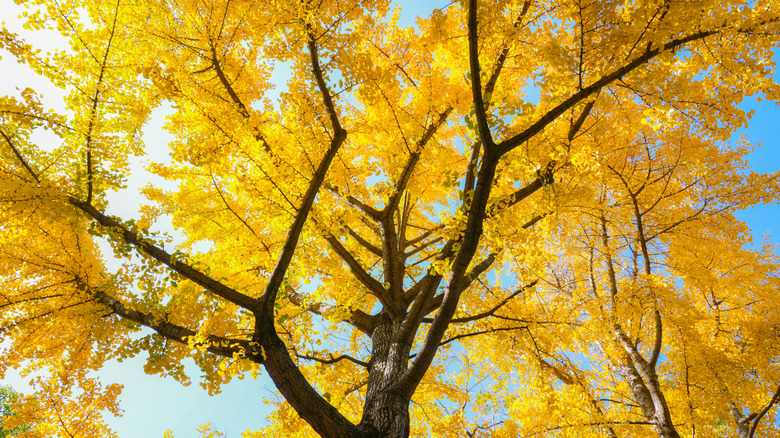
Some trees just feel like they've always been here, and when it comes to the ginkgo, they sort of have. Also known as the maidenhair tree, the Ginkgo bibola is a tree that's been here since the dinosaurs were, so to say it has an old-fashioned charm might be a bit of an understatement. It's the kind of tree that can make even a new garden feel instantly established, with fan-shaped leaves that are already unusual enough to stand out in summer but then turn a striking golden yellow in the fall before dropping in a brilliant display of color. It's beloved by professional arborists and home gardeners alike — and it's not hard to see why.
Toughness is always a big appeal when planting a tree in your garden, ideally you want one that doesn't requite a lot of fussing once it is established, and this tree stays generally pest-free with no regular pruning required. But there are things to consider before planting a tree in your yard and in this instance consider your space — the ginkgo will grow substantially. It is slow-growing when young, so you might feel like it can be slipped into a small border but it can eventually reach 50 to 80 feet tall, with a broad and dense canopy. It needs room to spread its wings, and given that room, it makes for a fantastic specimen tree. And interestingly, male cultivars are generally preferred for home landscapes because the female trees produce fleshy fruits that have an unpleasant odor when they fall.
Why ginkgo has always had a place in our gardens
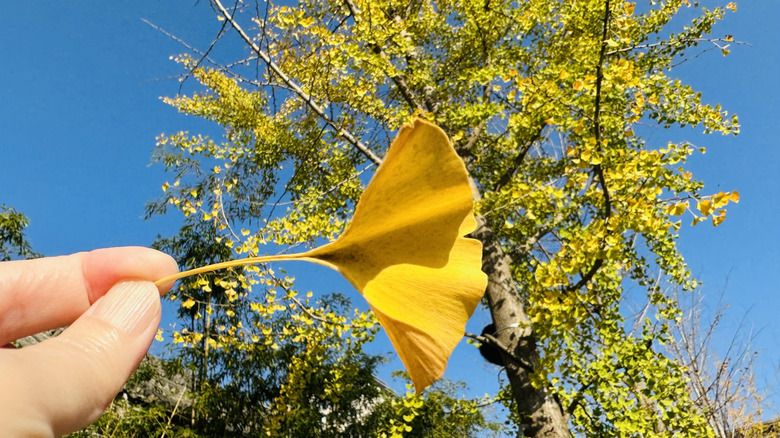
The reason the ginkgo has remained such a popular landscape tree is for the simple fact of how adaptable it is. It is hardy in USDA Zones 3 through 9 which covers a large stretch of the country from colder northern climates through much of the Midwest, Northeast, and through the hotter parts of the South. In fact, this tree can be found in all fifty states, a particularly familiar sight on streets and in parks because it does a great job of tolerating city conditions like air pollution, compacted soil, and even some salt. Its ability to grow in different soils can be very useful for anyone whose garden has less-than-perfect conditions — ginkgo can cope with both acidic and alkaline soils, and even is a plant that thrives in sandy soils, as well as clay and loam too. While full sun and well-draining soil are its more ideal conditions, it will adapt once it is established.
The thing to get right is the planting spot. Young trees especially need a lot of sunlight and enough space without competing with buildings or power-lines or other large trees. Ginkgo is tough and unfussy, and when that fall shows arrives, you'll know you've made the right choice.