

Natural Doesn't Always Mean Safe: Why I'm Hesitant To Use Homemade Products In My Garden
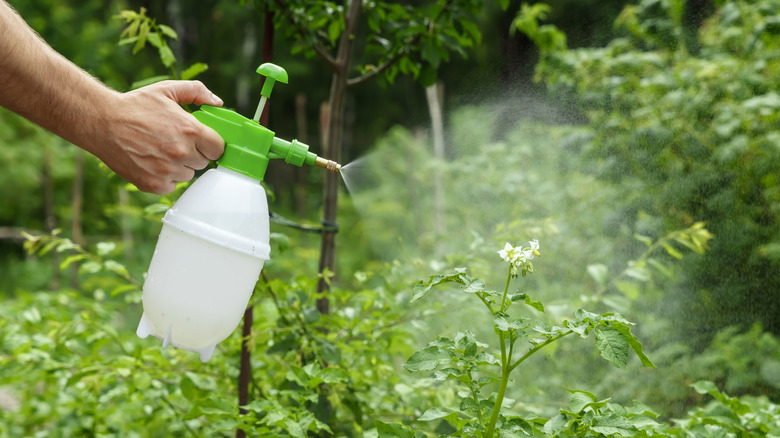
I'm a master gardener and permaculture specialist with over 20 years of professional experience and a lifetime of personal experience. My entire gardening practice aims to work with nature and avoid potentially harmful synthetics. More broadly as a permaculturist, I avoid anything that may upset nature's balance. So, it comes as quite a surprise to many people that this frequently includes avoiding natural or homemade products, which I've found can do more harm than good.
A lot of people assume that because something is natural, it's safe, or at least safer than the synthetic version. But that's not necessarily the case. There are many products and homemade DIYs that use 100% natural (or even organic) ingredients that are just as damaging, or will cause as much disruption to nature's balance. A "natural" broad-spectrum insecticide will affect the insects you don't want to kill, including pollinators, as readily as a synthetic one does. Nature provides us with many wonders — but also many dangers. Monkshood and foxglove have both been used for centuries in herbal medicine by experienced practitioners, but they are also deadly if used incorrectly.
I wish more people understood the distinction between "natural" and "safe" and did their research, rather than blindly applying something because it's labeled as 100% natural or a DIY blog said that it's safe. I understand that more people are trying to be more conscious about what they put in their gardens, which is awesome, but I'll say it again: Natural does not necessarily mean safe for its intended purpose.
Natural pest control remedies can kill the beneficial insects you want in your garden
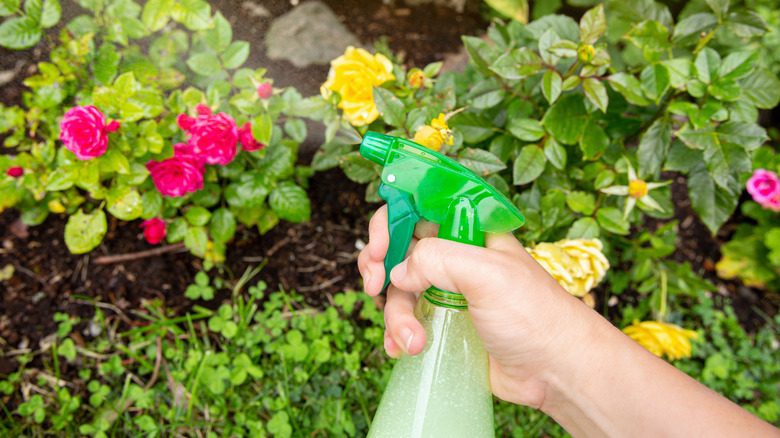
Increasingly, people are becoming aware of just how important pollinators are to our survival as a species, and that's brilliant. One in every three bites of food you eat is pollinated by living things like bees, moths, or bats. I think it's fantastic that more people are starting to create pollinator-friendly gardens and moving away from synthetic broad-spectrum pest control sprays to do their bit for the environment, get themselves a wonderfully active and colorful garden, and support the local pollinator populations. But what most sources fail to tell you is that the majority of natural pesticides are also broad-spectrum. They don't distinguish between a pollinator and a sap-sucking pest, and none of them should be used blindly or carelessly just because they are made of natural ingredients.
For example, one of the most well-known natural pesticides is chrysanthemum extract or pyrethrum. It's sold commercially, and you can also make your own incredibly easily. It will break down within a few days because it degrades in sunlight, but for those few days that it's still active, it will kill every bee, hoverfly, wasp, butterfly, and moth that has the misfortune to come into contact with it. So trying to bring more pollinators to your yard may be pointless.
Neem oil is another natural pesticide that has long been touted online by sellers and countless unqualified bloggers who all parrot each other, proclaiming that it's the perfect natural pest control product because it will kill soft-bodied insects on contact but won't harm bees. That's not actually true. Yes, neem oil, when it's prepared properly, will absolutely take care of an aphid infestation, spider mites, or a whole host of other pest issues. But it also suffocates bees and can cause a whole colony to fail due to increased queen and egg mortality.
What to do instead of using natural remedies
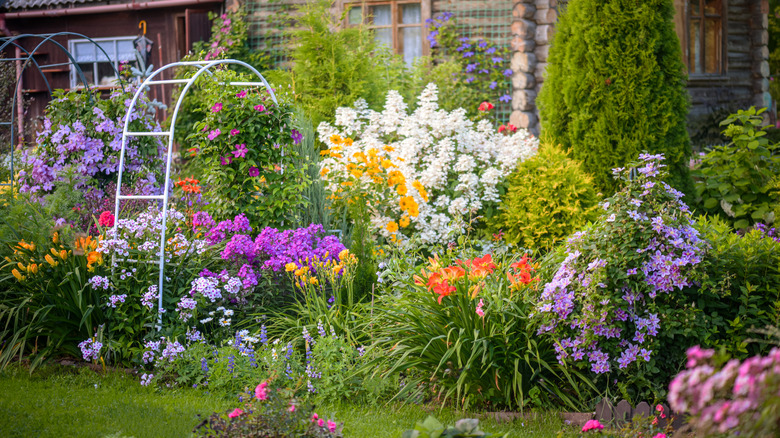
Before turning to any natural pesticides, the first thing you need to do is to accept that a healthy, bountiful garden requires a balance of pests, predators, and beneficial beasties. If you eliminate every pest, you will eliminate a lot of other wildlife, including birds that would normally feed on them. And you will probably eliminate the pollinators, too. Accept the fact that a healthy garden requires a diverse ecosystem, and try preventative measures instead.
I cover my brassica beds with fine mesh, because I know that the butterflies will do everything they can to lay their eggs on those lovely green leaves and their caterpillars will devour my whole crop. The same goes for whiteflies. I do what I can to keep them out rather than trying to fix an infestation that's already set in. To control slugs naturally, I make the area around my most vulnerable plants inhospitable, and I leave some overgrown patches in my garden in quiet areas for predators like toads. Where pests do become particularly problematic, I use targeted natural methods such as Bacillus thuringiensis (BT) or beneficial nematodes, which reduce just a couple of undesirable species.
If you want to bring more pollinators to your yard and have a beautiful and productive garden, accept that you'll see insects of all varieties. Some are useful allies, some are minor annoyances, but they all have their place in the wider ecosystem. Remember that when you are gardening naturally, prevention is incredibly important, as is using a multi-pronged approach. No one single spray, companion plant, or hack will give you 100% guaranteed results. You will often find that you have to repeat treatments and use multiple strategies to maintain a healthy balance and minimize pest damage.