

How To Get Rid Of Subterranean Termites With An Eco-Friendly Solution
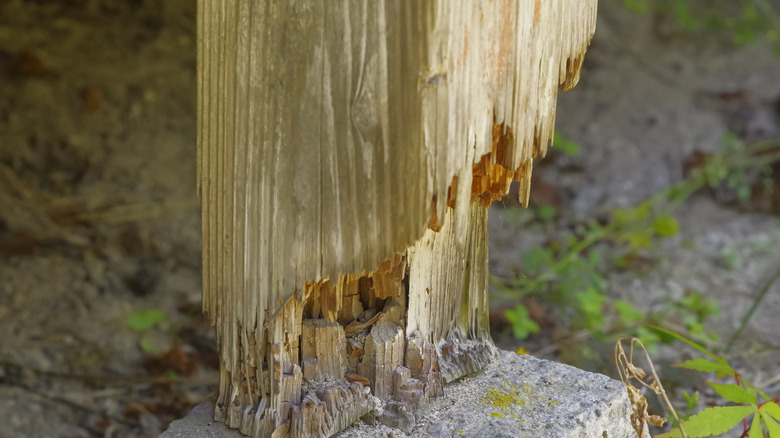
If you want to strike deep fear and dread into a homeowner's heart, just tell them they have a termite problem. Subterranean termites can cause severe damage to the wood structures in our homes and gardens, which can be extremely costly to repair and require the services of professionals. Prevention is much more manageable than dealing with damaged wood beams and posts, but some of the products used to prevent termite damage can kill beneficial insects as well and pollute waterways. One non-toxic solution for preventing unwanted termites in the home is using beneficial nematodes, a more eco-friendly solution than pesticides.
Just in case the word "nematode" conjures up garden diseases in your mind, we need to provide some clarity. Don't get these helpful critters confused with their problematic relatives — some nematodes infect plant tissue and are considered pests, but the beneficial types are allies in the yard and garden. These microscopic roundworms can be helpful by parasitizing many insects we consider pests, including termites. If you live in certain U.S. cities, you need to be extra vigilant about termites, and beneficial nematodes can be one of the tools you use for prevention.
Tips for preventing termites with beneficial nematodes
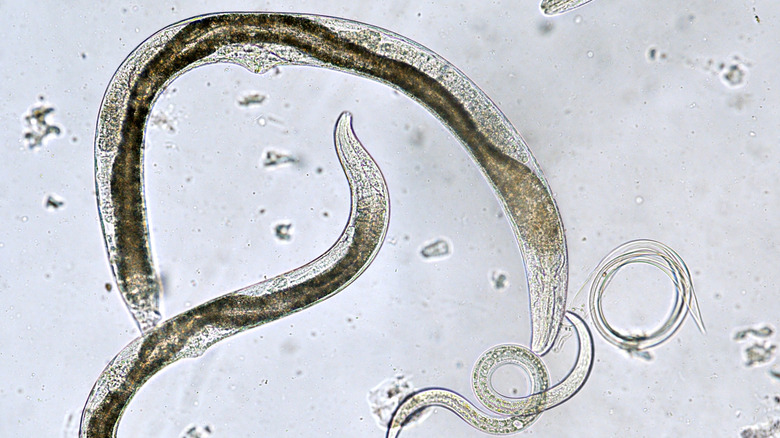
There are a few steps to take when using beneficial nematodes to prevent subterranean termite damage. To start with, determine your soil type — there are different nematode types for sand versus clay soils, as well as for uncultivated soil. For example, if you have sandy soil, go with the species Steinernema carpocapsae. For clay soil, use Steinernema feltiae, and for uncultivated soil, look for any Heterorhabditis species.
But before you make that purchase, what's the weather doing out there? This isn't a winter project — the soil temperature needs to be warmer than 42 degrees Fahrenheit. Don't buy them until you're ready to apply them, since they only survive in the fridge for two weeks. Once you're ready and have the right product, make sure the soil is moist before and after you apply the nematodes; otherwise, this eco-friendly solution won't work.
Keep in mind that this approach may work best to prevent subterranean termite problems rather than to get rid of them once they are chewing up your home. Beneficial nematodes can only eliminate a larger termite infestation with the help of other measures, like moisture control. Speaking of prevention, there are other factors that decide whether termites will be problematic for your home or not. One of those is whether you skip cleaning your gutters, a home maintenance mistake that invites more pests since it can lead to the buildup of moist debris.