

More Versatile Than Wood Or Poured Concrete: This Retaining Wall Type Is A Popular Choice
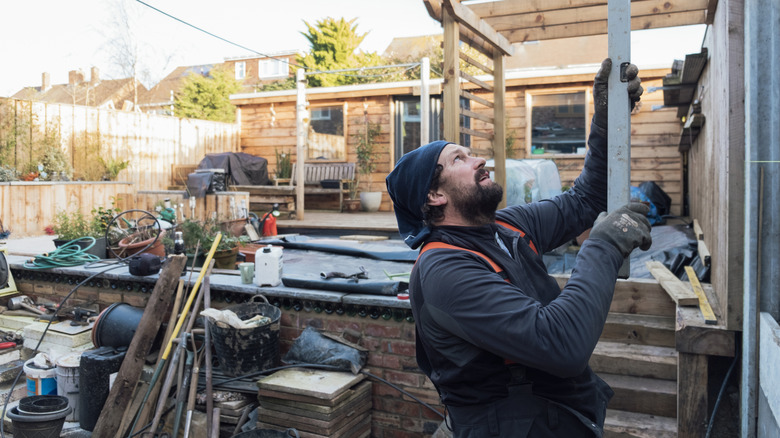
Sloping yards can be challenging, and retaining walls are often the best way to manage the slope, keeping one part of your landscape from slip-sliding into another part of your yard. In addition to soil-management duties, retaining walls must properly manage water runoff, so parts of your yard, or worse, your home's foundation, don't become swamped when it rains. And on top of these weighty responsibilities, retaining walls should look good. Built properly, they can add attractive sculptural interest to your landscape. Plus, they're a great way to break up monotonous expanses of lawn and add interesting tiers filled with native plantings that not only look fabulous, but are also beneficial to the local ecosystem.
While wood and poured concrete can be used to construct retaining walls, masonry retaining walls built with brick, concrete block, or stone often provide more versatility and durability. This reliability, combined with their stately and attractive appearance, probably explains their long-term popularity. Humans have been building masonry walls and other structures for millennia — and walls made of brick, concrete block, and stone remain extremely popular.
When masonry retaining walls are best
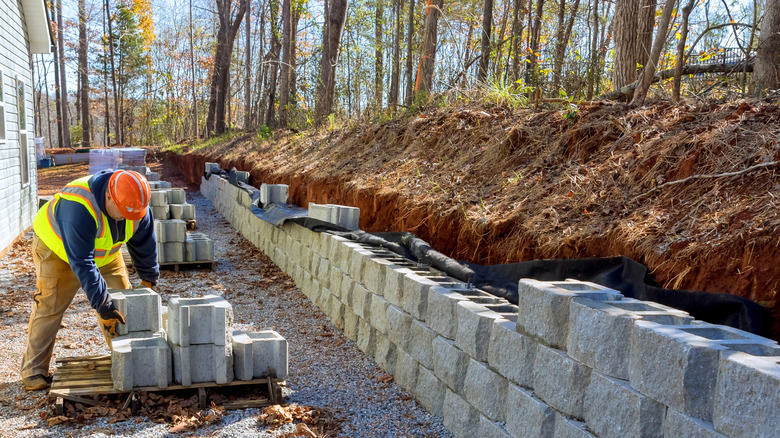
In addition to the stability and timeless aesthetics offered by masonry retaining walls, this type of structure can offer a significant boost to property value, something homeowners might want to bear in mind when comparing retaining wall structures. Once you've decided on a masonry wall, you need to consider the building material that will best suit your needs.
Brick, for example, is best used for low walls that are mostly decorative and have low soil pressure, and if your home is made of brick, that material might be a natural choice. Consider concrete blocks, which offer a uniform, modern, and sometimes slightly industrial look, for taller, structural walls that are load-bearing. Natural stone works well for walls 3 feet or shorter, and offer a timeless, rustic look that often blends seamlessly into the landscape.
Whatever they're made of, masonry retaining walls must include key features that ensure structural integrity, proper drainage, and longevity. Ensuring these objectives are met requires expertise that might be outside the skill set of a typical home DIYer, and might be best tackled by a professional mason. While homeowners can certainly purchase the best natural stones for their dream retaining wall and other necessary materials from rock yards and home improvement centers, when it comes time for actual construction, it's time to call in the pros.