

It's Not Invasive Knapweed: The Native Plant You Should Stop Pulling
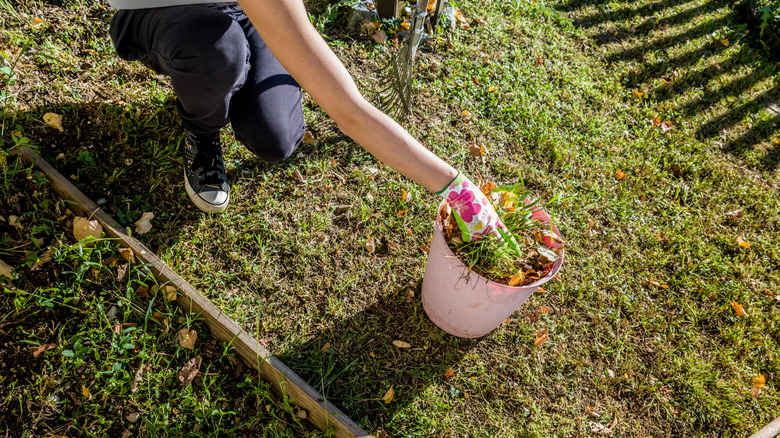
Whether it's building a retaining wall that you won't see (and that's the point) or growing a lawn of native plants instead of turfgrass, many gardeners are naturalizing their yards. When you're used to growing common, often introduced species in your garden, cultivating native plants can ironically feel a little foreign. Sometimes, it's even hard to tell a weed from a wildflower. That's the case with hoary tansyaster (Dieteria canescens, formerly Machaeranthera canescens). Though the plant is native to the western U.S. and an important late-season food source for pollinators and wildlife, it looks a lot like spotted knapweed (Centaurea stoebe) from central Europe, which is a noxious weed. It's easy to confuse the two plants.
Before you pull the weeds in your yard, take a second look. Hoary tansyaster and knapweed both grow in disturbed soils, especially in rangelands, meadows, and along roadsides. Hoary tansyaster has abundant purple flowers that bloom from August to October, depending on where the plant is growing, and it's a host plant and a resource for many insects and birds — especially the greater sage-grouse. Knapweed also has purple flowers, and both plants have a bushy growth habit. The two species so closely resemble each other that a weed crew working in a national forest in Idaho once pulled bags of hoary tansyaster from campsites thinking it was knapweed. However, if you look closely, you'll notice that hoary tansyaster has delicate flower bracts that curl away from the flower, while knapweed has tough, dark-tipped, overlapping bracts that resemble shingles.
How to use hoary tansyaster in your landscape
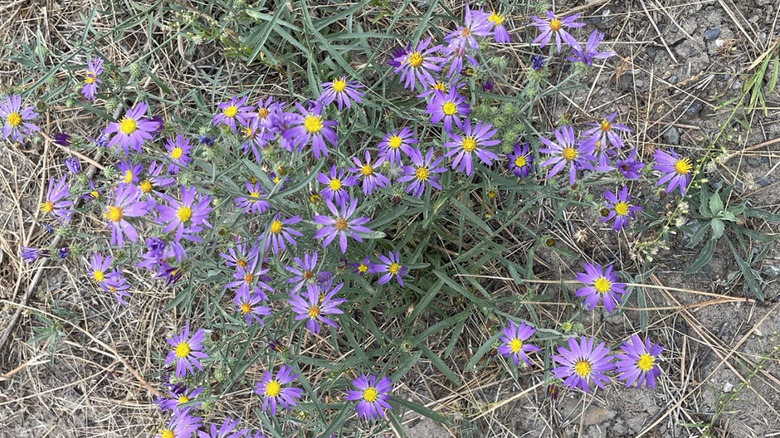
It's easy to be fooled by pretty purple flowers when learning to identify invasive weeds, but the opposite can also be true — a plant with lilac blooms may be a much-wanted native species. Hoary tansyaster is an annual, biennial, or short-lived native perennial that self-seeds. As an early colonizer plant, it's one of the first to show up after wildfires and other landscape disturbances, but it tends to fade away as longer-lived plants fill the space. Knapweed is included on around a dozen state noxious weed lists. By contrast, in 2015, the U.S. Department of Agriculture released a wild seed strain of hoary tansyaster called Amethyst Germplasm that establishes well in gardens.
Hoary tansyaster doesn't negatively impact pets, livestock, or wild animals, so, unlike knapweed, you don't need to pull it out or otherwise control it. If you find hoary tansyaster growing on your property, allow it to naturalize; it's a great resource for pollinators and other wildlife. When it blooms, it produces tufted white seeds that spread on the wind. You can leave the seeds on the plant for food or collect them and add them to a DIY native wildland seed mix. Hoary tansyaster is one of the purple perennials to plant in fall to enjoy year after year. Buy the certified Amethyst strain from specialist growers. This plant tolerates mowing, so you can use your mower to clean up any messy plants before winter if you prefer. Or, as with most members of the aster family, cut back perennial hoary tansyaster in late spring by one-third to one-half to encourage compact growth and abundant blooming.