

The Evolution Of Home Gardens In The United States
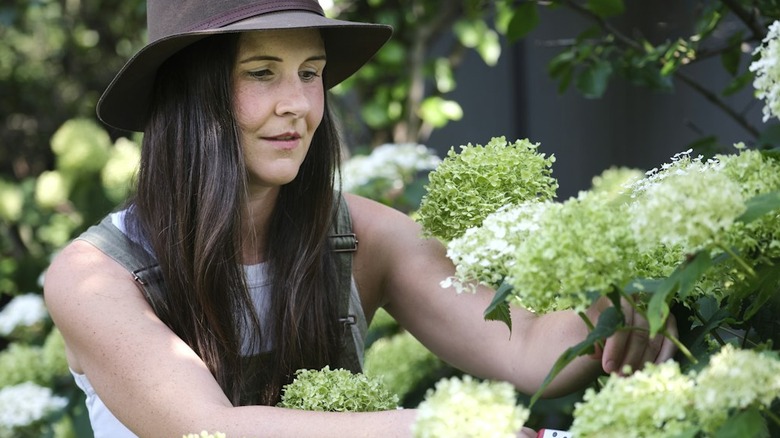
What really constitutes a 'garden'? Does it have to contain flowers or vegetables? What about a grass lawn? American gardens looked very different 100 years ago. In fact, the country's earliest gardens might look more like small farms to our modern eyes. Over the years, home gardens have been influenced by economic necessity, international trends, and technological improvements.
From sprawling lawns inspired by envy of aristocratic Europe to tiered container gardens strategically squeezed onto patios, gardening serves a multitude of purposes. Gardens feed us and provide us with beauty. We can use them to relax or we can work hard in them. They connect us to our communities and to nature. According to the National Garden Survey 2026, about 79% of American households participate in some form of gardening in 2025.
There is a lot of history buried in our gardens. Some of our most popular flowers have been grown in them since the start of European colonization. For example, Dutch colonists introduced varieties of spring bulbs, marigolds, and roses as they arrived during the 1630s. The English brought lilacs and boxwood shrubs as well as fruit trees during this time. The gardens of enslaved African Americans also contributed to modern American gardening practices. Their personal gardens provided additional sustenance, sometimes grown from seeds smuggled from Africa, like peanuts, okra, and black-eyed peas. They also grew tomatoes and peppers, which remain popular gardening picks today.
From survival to showing off: the early century gardens
Early gardening in America was more a kin to farming than anything else. European settlers grew food crops from their home and medicinal herbs in these gardens. They relied on indigenous food plants, as well as the agricultural knowledge to grow them, obtained most famously from the Wampanoag. These outdoor spaces were designed so people had easy access to essentials. It was like having the supermarket and hospital in one fenced yard.
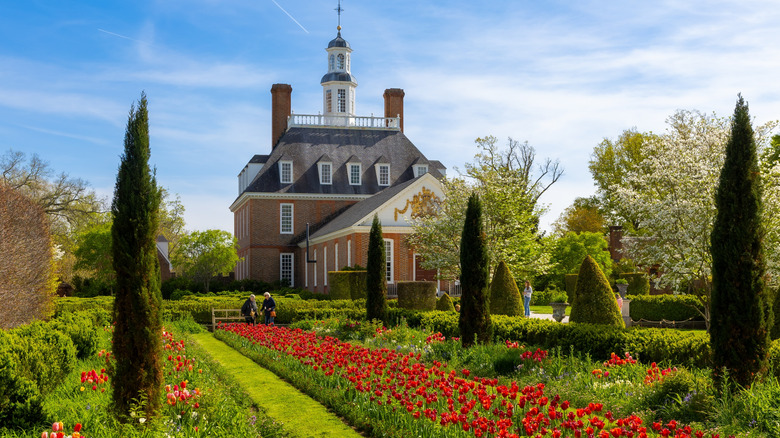
On the other hand, early American landscaped formal gardens were indicators of wealth, as they required grazing animals as well as paid and enslaved labor to maintain. However, common decorative outdoor spaces gave traditional kitchen gardens more competition by the mid-1800s, when two key changes occurred: produce markets became widespread and better pesticides were introduced. Food gardens were still in play, but instead of being within arm's reach at the front entrance, they were out of sight in the backyard. As wealthy Americans copied European landscaping trends that highlighted outdoor leisure activities, curb appeal became important.
Connecting to nature: gardening in the modern era
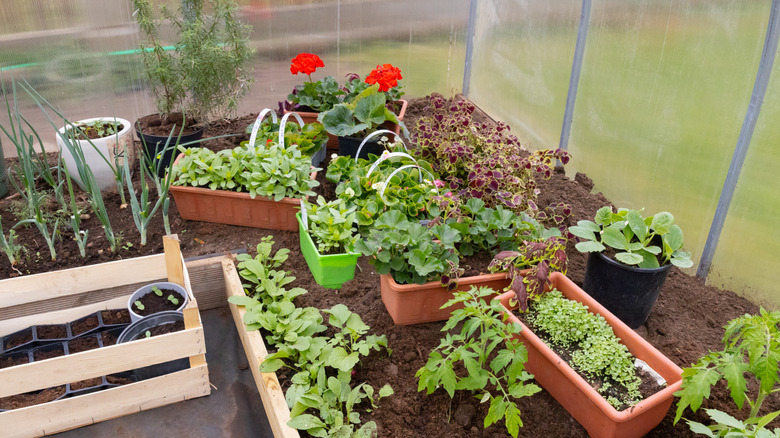
Despite the new love for crisp lawns and pretty flowers, the importance of edible crops kept it a timeless staple in American gardens. This was particularly evident during the World Wars when food was a hot commodity. World War II also led to the introduction of the infamous DDT, which was first sold as an agricultural pesticide in 1945. However, by the 1970s there was a shift in how Americans viewed nature, their food, and their gardens, thanks in part to Rachel Carson's book "Silent Spring" that changed the average gardener's perspective on pesticides.
In the time since, people have let go of some old-school gardening habits, while sustainability and eco-friendly practices have influenced modern home gardens. Landscaping with native species, for example, grew in popularity, both for ornamental and edible plants. According to the National Gardening Survey 2022, 34% of gardeners choose their plants to support wildlife and 32% choose mainly organic options for their garden. From just trying to plant food to caring for the local butterflies, home gardens have come a long way and continue to evolve.