

The Evolution Of Home Gardens Throughout History

What really constitutes a 'garden'? Does it have to contain flowers or vegetables? What about a grass lawn? American gardens looked very different 100 years ago. In fact, the country's earliest gardens might look more like small farms to our modern eyes. Over the years, home gardens have been influenced by economic necessity, international trends, and technological improvements.
From sprawling lawns inspired by envy of aristocratic Europe to tiered container gardens strategically squeezed onto patios, gardening serves a multitude of purposes. Gardens feed us and provide us with beauty. We can use them to relax or we can work hard in them. They connect us to our communities and to nature. Today, the majority of American households participate in some form of gardening.
There is a lot of history buried in our gardens. Some of our most popular flowers have been grown in since the start of European colonization. For example, Dutch colonists introduced varieties of spring bulbs, marigolds, and roses as they arrived during the 1630s. The English brought lilacs and boxwood shrubs as well as fruit trees during this time. The gardens of enslaved African Americans also contributed to modern American gardening practices. Their personal gardens provided additional sustenance, sometimes grown from seeds smuggled from Africa, like peanuts, okra, and black-eyed peas. They also grew tomatoes and peppers, which remain popular gardening picks today.
From survival to showing off: the early century gardens
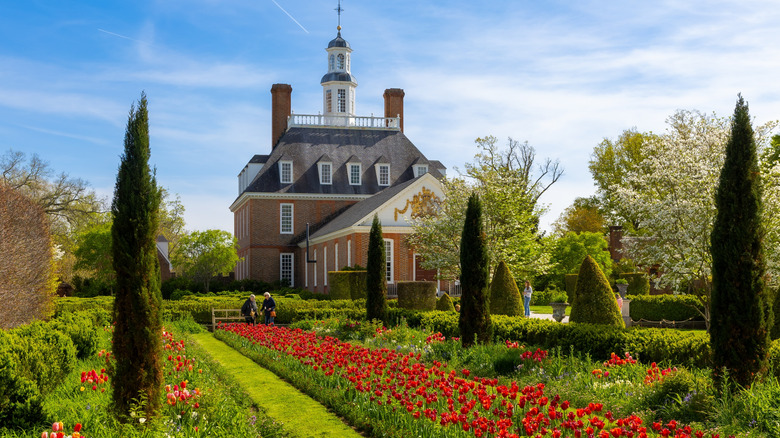
Gardening in America began as a necessity. With no local markets to rely on, European settlers attempted to grow food crops from seeds brought from home. They also relied on indigenous food plants, as well as the agricultural knowledge to grow them, obtained most famously from the Wampanoag. For easy access, important plants like the family's food and medicinal herbs were grown in enclosed gardens right outside the front door.
Early American landscaped formal gardens were indicators of wealth, as they required grazing animals as well as paid and enslaved labor to maintain. However, the majority of gardens in this era were grown for sustenance, not aesthetics. These "kitchen gardens" were grown near the door, inside walls or fences for protection, with a focus on food crops.
Ornamental gardens didn't take precedence over traditional kitchen gardens until the mid-1800s, when two key changes occurred: produce markets became widespread, and better pesticides were introduced. This shifted food gardens to the back of the house, while the area outside the front door became the site of carefully maintained lawns and flower beds. This was especially evident in the Victorian era, when wealthy Americans copied European landscaping trends that highlighted outdoor leisure activities.
Connecting to nature: gardening in the modern era
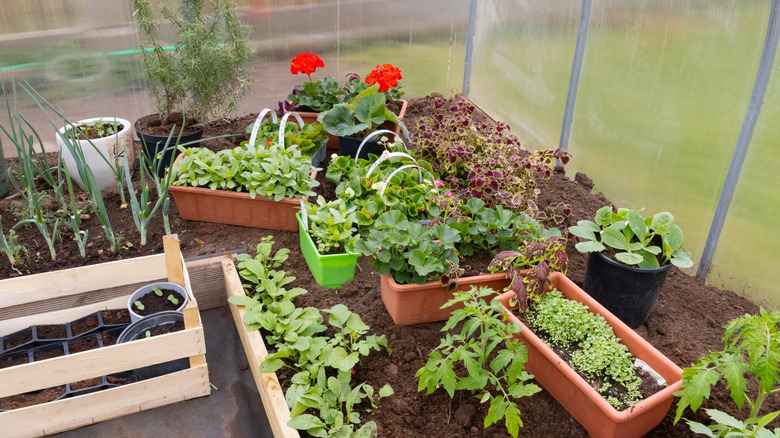
Both World Wars sparked a patriotic resurgence in growing produce. Since food was rationed to support troops, "Victory gardens" were grown in homes. World War II also led to the introduction of the infamous DDT, which was first sold as an agricultural pesticide in 1945. However, by the 1970s there was a shift in how Americans viewed nature, their food, and their gardens, thanks in part to Rachel Carson's book "Silent Spring" that changed the average gardener's perspective on pesticides. Further, the first Earth Day in 1970 created fresh interest in edible gardening and organic produce.
In the time since, people have let go of some old-school gardening habits, while sustainability and eco-friendly practices have influenced modern home gardens. In the early 1980s, gardeners wanting to use less water began to embrace xeriscaping and landscaping with native plants. Container gardens also experienced a spike in popularity during the 2000s as gardeners with small or no yards sought ways to grow produce. According to the 2022 National Gardening Survey, 34% of gardeners choose their plants to support wildlife and 32% choose mainly organic options for their garden. From just trying to plant food to caring for the local butterflies, home gardens have come a long way and continue to evolve.