

The Simple Fix That Can Help Prevent Dust Buildup In Your Home
In early 2026, a trend of "house burping" went viral on social media, with Americans posting about airing out their homes. However, this "new" trend, known in Germany as "lüften," has long been practiced by Germans to improve indoor air, lung health, and sleep quality. In addition, opening your windows can reduce dust buildup by lowering indoor humidity levels, which in turn suppresses the activity and presence of dust mites and the dust they create.
We've often heard that dust consists of our own dead skin cells. But did you know it's not only our dead cells, but those of dust mites? These microscopic pests feed on our dead skin, so the less we clean, the larger the feast for them, and the more dust they produce. If that's not enough to get you cleaning ASAP, their droppings also get mixed in, accumulating on our mattresses, rugs, clothes, upholstered furniture, curtains, and more. Dust mites also feed on airborne moisture particles, making them more active in high-humidity homes.
There are fast ways to dehumidify your home, like running your air conditioning or a dehumidifier, but opening your windows can also serve that purpose — at least in the winter. However, during warmer seasons, open windows can actually usher in more pollen and other contaminants, especially if the air quality is particularly poor. Higher outdoor humidity in the summer can also increase humidity indoors if you leave your windows open too long.
Best practices for reducing dust in your home
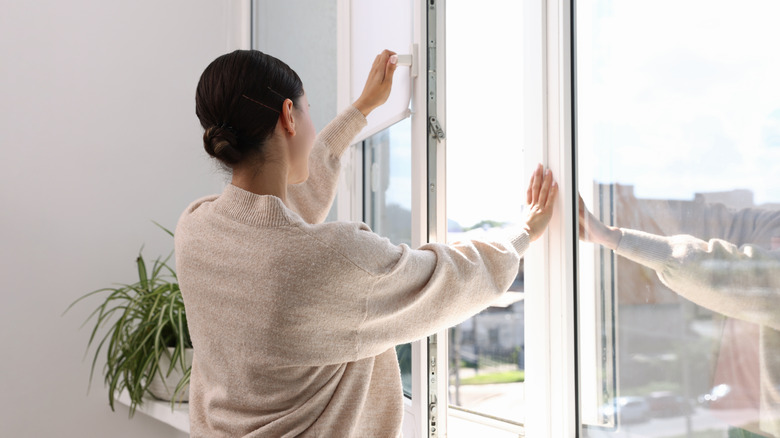
Opening your windows for even 15 to 20 minutes a day, especially after cooking or showering, can limit humidity levels. Lower humidity not only gives dust mites less moisture to feed on, but it also helps prevent mold from entering your home. The ideal times to open windows are early morning (before 10 a.m.), late evening (after 9 p.m.), or after rainfall, since the air is freshest and you're less likely to introduce more contaminants into your home. However, if the air quality is particularly unhealthy, keep your windows closed.
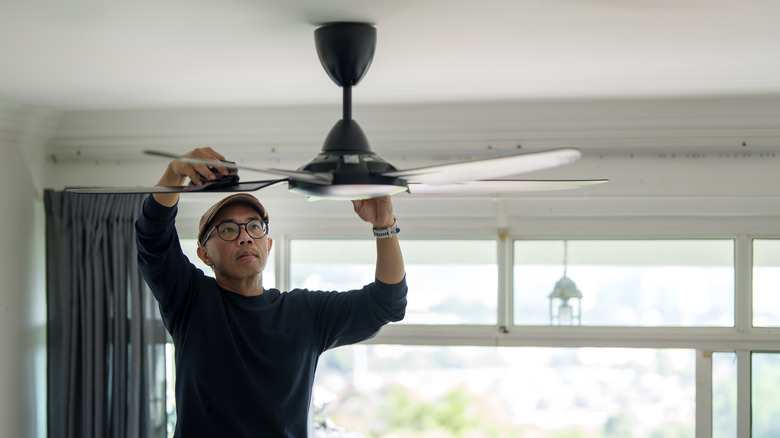
Besides burping your home, there are other affordable ways to reduce dust to make your home cleaner. Each day, choose an area to clean, especially places where dust accumulates, like on top of light fixtures or appliances, window ledges and door frames, bookshelves, or under furniture. Use a damp washcloth or microfiber cloth to best trap the dust. Reassess your bookshelves, too. The more books and knick-knacks you need to move, the less likely you may be to clean.
Keep in mind that dust easily collects on area rugs, carpet, and curtains, so vacuum or clean those frequently. Once a week, wash your bedding and stuffed animals in water that's at least 120 degrees Fahrenheit. Another easy way to reduce dust build-up is to run an air purifier with a high-efficiency particulate air filter, which traps airborne allergens like dust.