

5 Unconventional Materials You Can Use To DIY A Deck Or Patio For Your Backyard

Looking to build a deck or patio to spruce up your backyard and make room for lounging, dining out, or entertaining guests? Traditional decking materials can be quite expensive these days — expect to pay between $25 and $60 per square foot for traditional wood, PVC, or composite decking. Professional installation services can be just as costly, too. Fortunately, you don't have to limit yourself to these conventional options, since there are more affordable decking materials out there that can really bring to life your budget-friendly backyard renovation ideas. With a little bit of creativity and elbow grease, you can use these unconventional materials to construct a beautiful and utilitarian addition to your home.
Similar to traditional decking materials, unconventional alternatives can bring out a certain style or vibe to outdoor spaces. For instance, reclaimed wood can give your backyard a rustic, industrial, or natural look. Beyond aesthetics, however, non-traditional building materials are more sustainable, offering practical ways to reuse salvaged resources that would otherwise go to waste. So, if you are ready to go all out for your next backyard project without breaking the back, below are 5 unconventional materials you should really consider.
Wood pallets
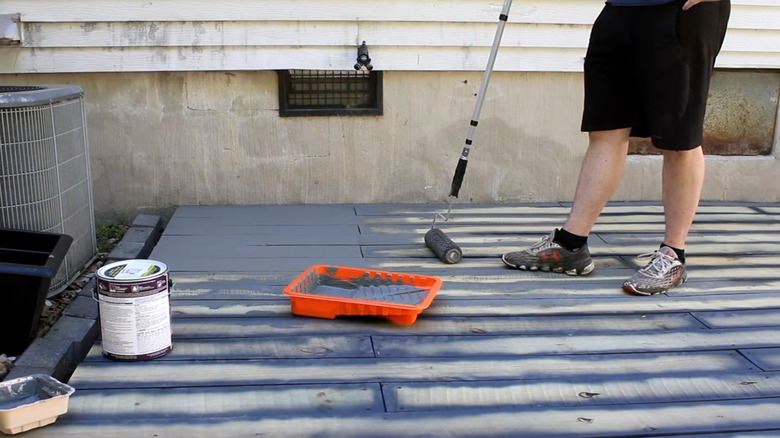
We often see wooden pallets in warehouses and factories. They're used for shipping a variety of consumer goods, from furnishings to vehicles. Their sturdy, flat, rectangular form makes them able to handle and carry heavy loads. As such, using them as a decking material is a no-brainer. You can repurpose these wooden platforms into flooring material for your deck or patio with minimal modifications. You can even arrange several pallets side by side to create outdoor seating, dining, or lounging areas. Their modular design really makes it easy for them to be assembled and customized. Easily dissemble pallets to get cheap, light-duty decking or use them as-is for a temporary platform while you're saving to invest in a full reno.
When working with wood pallets, be sure to sand and stain them to achieve a clean, polished look and protect them from harsh elements outside. You can also paint them if you want your outdoor space to complement your home's exterior. Now, in case you're wondering where you can source wood pallets from aside from buying them directly from a manufacturer, check local warehouses that may be selling used ones for cheap. You may also find pallets sold in bundles in online marketplaces. While convenient, be sure to inspect the materials before closing the deal; otherwise, you might end up with pallets that are no longer structurally sound to bear weight and last.
Scavenged brick
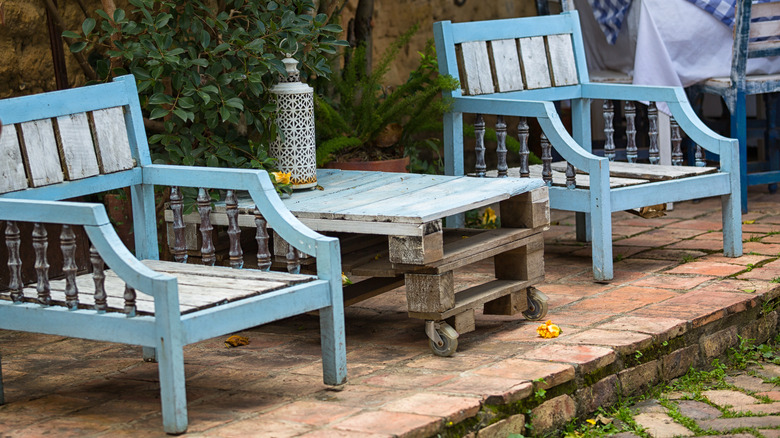
Bricks are excellent building materials for decks and patios, which is why the demand for reclaimed bricks is on the rise these days. Apart from being more sustainable and better-looking than gravel, reclaimed bricks can be expensive, depending on their design and rarity. When sourcing bricks from architectural salvage suppliers, they typically sell for $1 to $2.50 apiece, while rare types of brick, or brick from notable structures, can cost as much as $30 per brick. In comparison, newer bricks tend to be cheaper at $0.30 to $0.70 each. Still, reclaimed or scavenged bricks are worth considering if you want to add a unique charm to your backyard space. Their rough edges, dents, and stains show off their rich history and proven durability.
Whether you're using scavenged bricks to build a DIY patio, a deck, or another outdoor feature, make sure to secure more than enough materials to complete a project. Otherwise, there's a risk of running out of old bricks to use in the middle of the construction, and you may have a hard time obtaining similar materials before you know it. Architectural salvage shops and brick reclamation companies are the best places to go looking for salvaged bricks, especially in older cities where buildings and structures are regularly being demolished for new developments. These suppliers typically have varying inventories, so estimate how many bricks you'll need for you planned outdoor space before procuring the materials and starting on the project.
Reclaimed stone
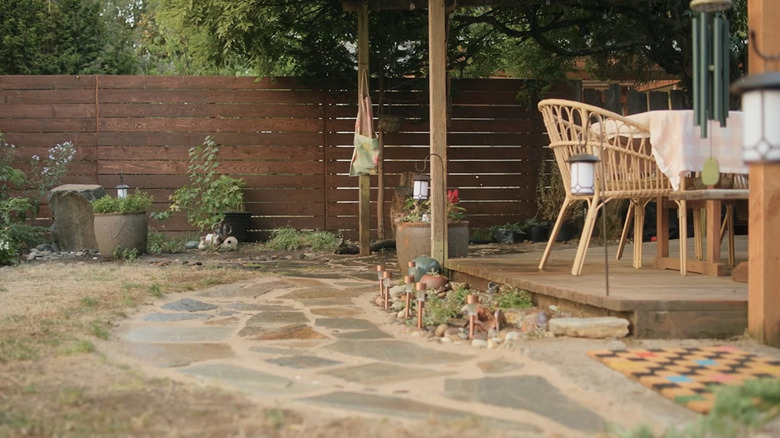
Upcycled stones also make exceptional flooring for decks, patios, and other outdoor features. Unlike bricks, which typically come in uniform sizes, scavenged stones can vary significantly in size and form. Reclaimed cobblestones or pavers will have unique characteristics, tones, and textures. There is beauty in the variations in shape and patina, as they can give any outdoor space a more natural, weathered appearance. Once they have been laid out and secured in place using sand, gravel, cement, or soil, the pieces come together like a puzzle. Everything then blends to form a cohesive surface.
Some of the most common reclaimed natural stone materials include basalt, bluestone, granite, limestone, and sandstone. You can buy them from specialized local suppliers, architectural salvage shops, and companies that focus on reclaiming stone and brick building materials. A good example is Stone Farm, a reclamation service that harvests, collects, and repurposes stones from historic or antique streets, bridges, and industrial buildings. Before purchasing materials for your backyard DIY, however, calculate how many pieces you will need to cover the designated area for your deck or patio, then secure a few extra pieces for good measure. Considering the installation process can be tedious, it would be wise to always account for breakage or installation failures due to unexpected conditions.
Recycled wood
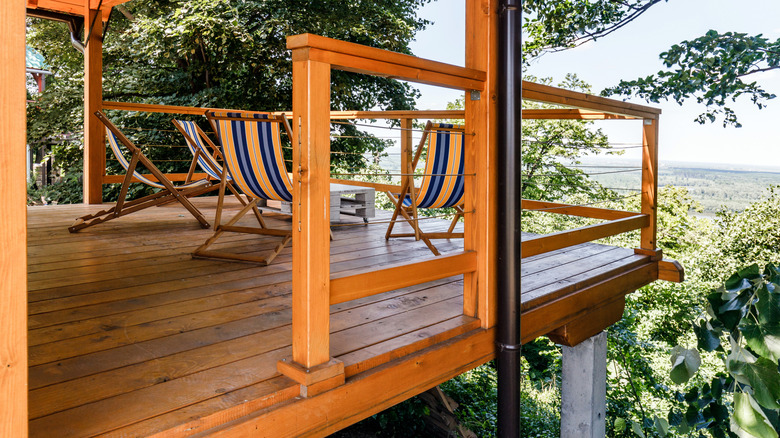
Another unconventional material to use for a DIY deck or patio is recycled wood. Aside from offering a great way to bring eco-conscious design into the home, this type of repurposed material helps cut down global wood waste from construction and manufacturing industries, as it keeps usable lumber out of landfills. Often sourced from demolished homes and buildings, shipping crates, and old barns, recycled wood gives discarded timber a second life while reducing the need to harvest more wood from trees.
Beyond its green perks, reclaimed wood can create warm, rustic outdoor spaces that add real estate value to homes due to their unique character and aesthetic appeal in today's modern minimalist-centric home design trends. The weathered textures, knots, faded colors, and other blemishes give the material character. At the same time, wood salvaged from older structures can be strong and sturdy, so it's suitable for decking, raised platforms, seating areas, and other backyard features.
Just be sure to do your due diligence when buying reclaimed wood for your DIY project. Carefully examine the pieces for signs of rot, insect damage, splintering, and even chemical contamination. Choose only used wood that can withstand weather conditions in your area. Coat with exterior-grade sealant for extra protection against harsh elements.
Reclaimed wood from a burnt house
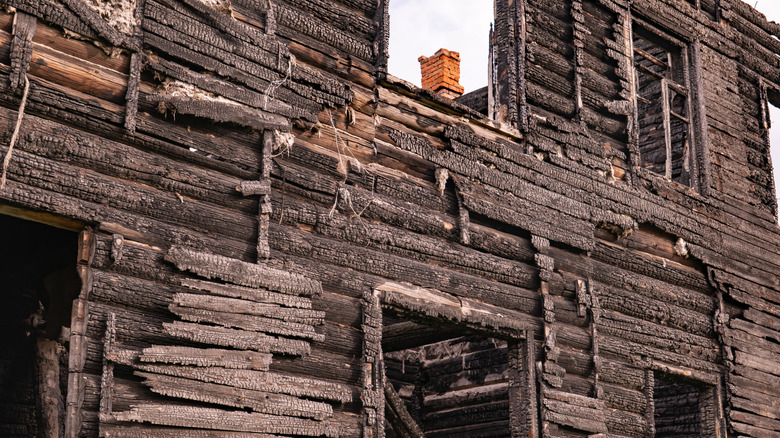
We're giving this last one the spotlight it deserves since, aside from being an unusual choice as a building material, reclaimed wood salvaged from fire-damaged houses can serve a useful purpose. Burnt lumber has properties that can make any deck or patio extremely durable. When the surface of wood is charred by fire, a protective carbon layer is formed, making the lumber resistant to water, insects, and decay. The Japanese took advantage of this phenomenon and developed a wood-burning technique called yakisugi or shou sugi ban to produce wooden materials that can last a very long time.
Beyond the enhanced durability, burnt wood has a distinctive appearance with its charred exterior, darkened grain, and weathered texture that can give your backyard deck or patio a contemporary, industrial, rustic, or wabi-sabi aesthetic. The charring can be replicated on new wood planks using a torch, but it wouldn't be as genuinely striking as recycled wood that survived a real fire incident. When procuring this type of reclaimed wood, have a qualified professional examine the material first to confirm that it is structurally sound and not severely damaged by the fire. Deep charring, cracking, and other signs of significant damage can make the wood unsuitable for use as building material in spaces with constant foot traffic and heavy furniture.