

US States Where It's Illegal To Live In An RV On Your Property
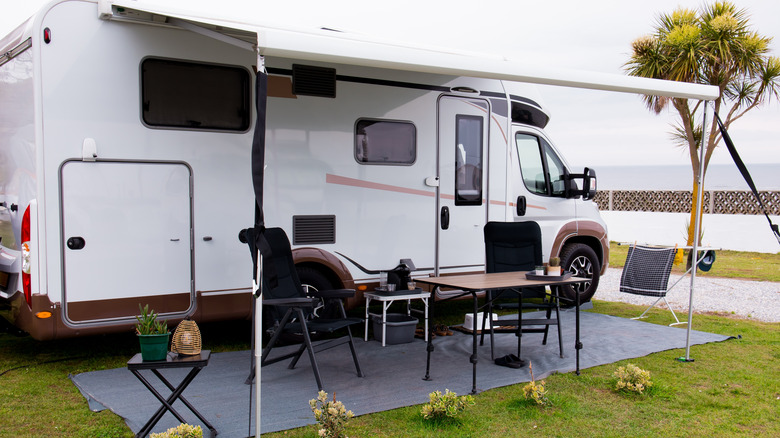
Buying a house is expensive and there are a lot of reasons why it can be a struggle to afford the costs associated with homeownership. Rising housing costs and increased debt can be a hurdle for people looking to purchase a place of their own. Not only that, but not everyone wants the responsibilities associated with owning a large home. Alternatives such as tiny homes and RV living have become much more popular for people looking to break into the housing market without having to deal with a mortgage that is designed to last for a major chunk of your life.
However, there are certain things you should know before buying an RV. One of those things is that while RV living might seem like a great alternative to that mortgage life, there are some US states where this is not possible. In fact, there are eight states where you legally can't live full time in an RV on property that you actually own. Plus, in some states it's all about what your county, town, or city allows, as some restrictions and limitations will apply. And knowing the best cities to park your home can make a difference, especially in states where you can't live on land you own.
So which states don't want you living in an RV on your own property? They are New Hampshire, Delaware, Georgia (rural areas are more lenient), Kentucky (while state law doesn't expressly prohibit living in your RV on private land, many individual counties in the state do), Indiana, Michigan, Nevada, and Hawaii. Instead, these states have guidelines on where you can live in an RV, and that's not your own land.
Where you can live in an RV in these states and why there are restrictions
While more Americans are living in RVs than ever before, even in states where it's legal, there can be a number of restrictions to consider and guidelines you have to follow. In the eight states where you can't live in your RV on property you own, you can still live long term in an RV park that is licensed, as well as on sites where there is full hookup, as long as that land is permitted. That being said, Georgia does have some flexibility in rural areas when it comes to living in your RV, although permits are still required, even if you're parking on public land. And in both New Hampshire and Nevada, you can get a temporary permit to live in your RV if you're building a permanent dwelling, however full-time RV living is not allowed.
One of the main reasons there are restrictions around RV living revolves around zoning ordinances. While many towns, cities, and counties have specific building zones, such as commercial, residential, and industrial, an RV doesn't fall into any of these categories. Waste disposal is another primary issue with living in an RV. Unlike a permanent dwelling, which will have built-in infrastructure desgined to get rid of waste, having the proper RV hookups to dump black and gray water can be a challenge. Improper disposal can lead to safety hazards, which is something that communities do not want to deal with. And this doesn't even take into account the fact that RVs are more vulnerable to harsh weather conditions, natural disasters, and potential theft.
Some states only allow you to live in an RV on private property for a limited period
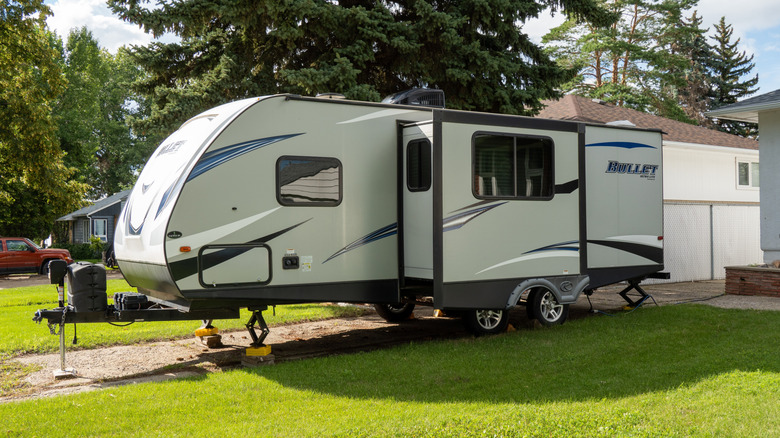
There are quite a few states where you can live in an RV on your own property with limitations. In some, the time of year determines if you're allowed to stay in your camper long term, while others require access to water and a septic system before they will allow you to live in an RV for any length of time. In some cases, it's about property taxes, with a preference for single family homes which will bring in more income for both the state and the town. Then there are the states that only allow you to live in an RV for a portion of the year, such as Washington where the maximum is 180 days in a single year, or while you are building a more permanent structure, such as a new or rebuilt home. However, even in the states where there are more restrictions, rural living will likely give you more flexibility.
In states such as Connecticut, California, Washington, and West Virginia, you need permissions and permits to live in your RV for any length of time, even if it's meant to be a temporary arrangement. And in Alaska, the state leaves it up to the individual communities to determine whether or not you can call your RV home. In many cases the limits on where you can legally live in your RV long term in a state like Maine revolves around the rules for parking in a specific area or municipality, even on private land that you own.
States that make it easier to live in your RV on private property

RV living is much easier to accomplish in some states, particularly where there is more available land outside larger cities. Five of the more RV-friendly places to live are Florida, Texas, Arizona, Colorado, and Oregon, although you will still want to check the regulations in the county, town, or city where you intend to live before setting up shop. Cities will typically be a bit more strict in terms of the regulations for living in an RV, even in these states.
Arizona is considered to be one of the easiest places to live in an RV, as the laws are much more lenient. One of the requirements, even on private land, is that the RV must be parked on a paved surface. Oregon is another state that is welcoming of RV living, particularly in rural areas, with proper permits. The rural areas of Texas are also welcoming to people who want to live in their RV, as long as it is properly registered and has been inspected. For people living in Florida, it's important to have the right hookups and you will want to find out if there is a limit on how many days you're allowed to stay in one place in your RV, as requirements are different depending on your location within the state.
RV living isn't for everyone. However, having the option can make a big difference if you're trying to save up for a larger home in the future or even if you're looking to downsize. And knowing where you can set up your home on wheels without too much stress or having to contend with the law is important.