

Ditch Landscape Fabric: This Cover Crop Has Way More Benefits
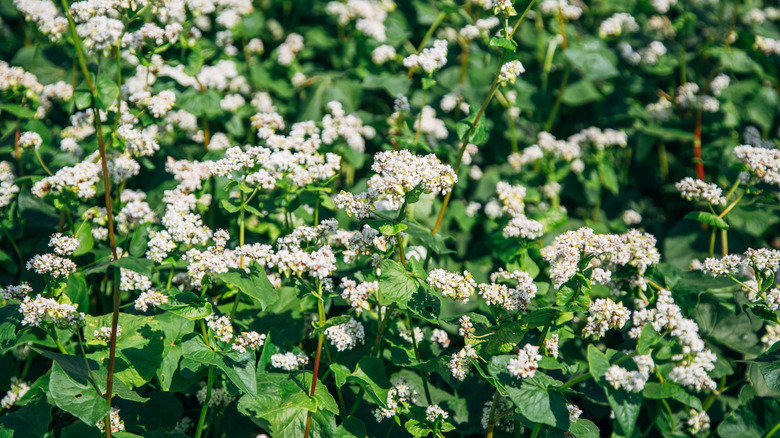
Using landscape fabric comes with a few potential problems that you might want to avoid, including low permeability and poor weed prevention. Finding a good cover crop that will suppress weeds in the garden can be an option if you want to move away from using landscape fabrics or other synthetic items around your plants. This edible plant, which matures to a height of 2 to 3 feet, is a non-legume cover crop that flowers in the summer months. Besides being used as a cover crop, the plant is cultivated for use in noodles, pancakes, and other foods. If you haven't guessed already, we're talking about buckwheat (Fagopyrum esculentum), which farmers and gardeners alike appreciate for its weed-smothering abilities.
The benefits of buckwheat as a cover crop are even more wide-ranging than simple weed prevention. Buckwheat is a pollinator-attracting plant that will naturally improve the quality of your soil. Beneficial pollinators, including honeybees, enjoy the fragrant, long-lasting white flowers. What's more, buckwheat roots loosen soil for subsequent planting and help make vital phosphorus and potassium more available to other plants. Buckwheat releases compounds that inhibit the growth of young plants, helping keep unwanted vegetation under control. In addition, this plant grows quickly to fill empty beds and has a short life cycle, leaving room for other crops later in the growing season.
How to use buckwheat to cover fallow flower or garden beds
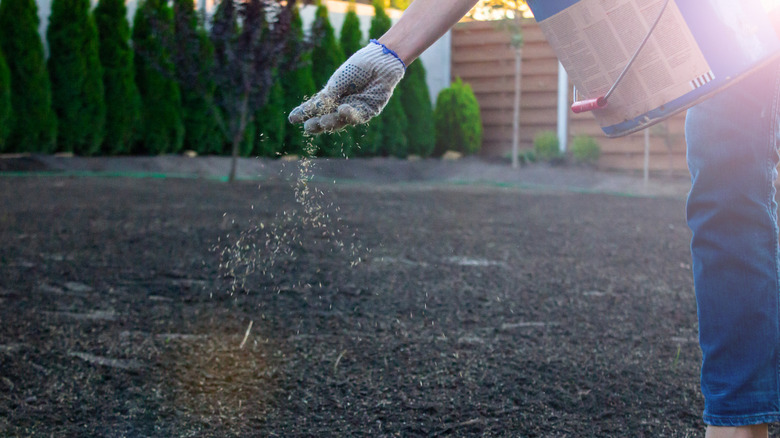
You can start growing buckwheat as a cover crop if you want to avoid using landscape fabric or ditch mulch for living plant alternatives. To begin in your home garden, ideally allow for a period of 6 to 7 weeks when you will not grow anything else in a specific garden bed. You can model your use of buckwheat on large-scale farming practices by growing potatoes or leafy greens in spring, planting buckwheat as a cover crop afterward, and finishing the season in fall with kale, beets, or carrots. Another option is to grow it alongside your winter squash. You should select buckwheat as a cover crop only if you can provide adequate moisture and sunlight, although it will tolerate low-fertility and acidic soil.
Whenever you grow a cover crop, whether on a farm or in a backyard vegetable garden, you need to have a plan for its termination (or removal). Terminating the cover crop ensures that it will not disrupt the growth of whatever you plant in the bed next. If you plant buckwheat in between your spring and fall plantings, you can try tilling or mowing it down, which will kill the buckwheat and add its rich organic matter back into the soil. If you do not plan to grow cool-season fall vegetables, you can wait for the cold winter weather to naturally terminate the buckwheat, as the plant won't survive freezing temperatures. Keep in mind that if you let it go to seed, you may continue to see buckwheat volunteers popping up in your beds, which you can simply pull out.