

Why There's Simply No Need For A Food Dehydrator In Your Kitchen

For novice home gardeners, the resources on YouTube, Instagram, and TikTok are like Backyard Farm University. Thanks to these gorgeous social media posts by homesteaders and gardeners alike, it's easy to get infatuated with the idea of growing your own food and all the gadgets that go with it. Chief among them in the fall? The food dehydrator. But be warned. There is something that all the social media excitement keeps hidden: You really don't need a food dehydrator. It's an expensive, space-hogging device that only serves one purpose, one that you can achieve with other appliances — or for free.
Sometimes, it's difficult to spot a problem with a kitchen tool unless it's compared to something else. Take, for example, your average toaster oven. It not only makes your morning toast, eggs, and bacon, but also cooks pizza, bakes casseroles, roasts chicken, and a bunch of other things. And, as it turns out, it can also dehydrate some food items, like fruits and vegetables, when set to the right temperature. A dehydrator, on the other hand, is a single-use item. It dehydrates your food. That's it.
On a related note, your dehydrator is probably going to commandeer a spot on the counter or in the cupboards that could have been used for something more practical. In this case, it makes more sense to purchase something like a toaster or countertop oven, or even an Instant Pot with a dehydrator option, and give one of those appliances the spot you've earmarked for the dehydrator. They take up about the same amount of space as a dehydrator but do a whole lot more.
A food dehydrator is often a poor investment
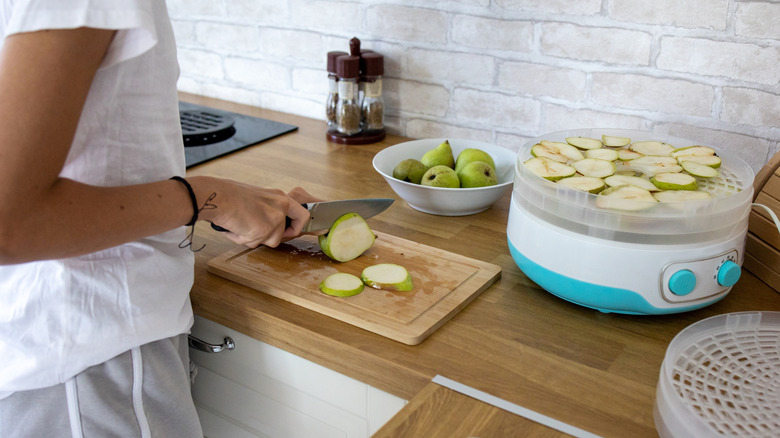
A dehydrator can drain your wallet, too. The financial impact comes in a couple of areas. First, you'll face the per-use ownership cost of owning a dehydrator versus another appliance. For example, you might pay around $200 for a high-end toaster oven and between roughly $169 and $210 or more for a deluxe dehydrator. Since you can do more with a reliable toaster oven, you're likely to use it far more — yielding a per-use purchase cost of around 55 cents a day over the first year. And the dehydrator? Its purchase cost spread over each batch will likely be higher, given that the harvest season — the ideal window for drying homegrown produce — averages only about 60 days. Even during peak season, you aren't likely to use it every day.
Second, you're spending money on a kitchen tool that you really don't need, mostly because it's possible to dehydrate your food without shelling out any extra cash at all. For decades, people have made dried foods using kitchen essentials, like their regular ovens. They've also used the power of the sun or even the warm air in their homes. It was usually a matter of spreading sliced fruits or vegetables out on a screen or rack or hanging said foodstuffs from cords in the rafters, respectively. Follow their lead, and you'll have your dried fruit and even items like jerky without needing to part with your hard-earned dollars on a dehydrator.